
Window-Ledge Seed Starting Systems are one of the simplest—and most satisfying—ways to grow fresh plants right inside your home. With nothing more than a sunny windowsill, a few small containers, and the right potting mix, you can turn an overlooked spot in your kitchen or living room into a mini garden nursery. It’s a perfect solution for small spaces, apartment living, or anyone who wants to start seeds without setting up a full greenhouse.
One of the biggest perks of using a windowsill is its natural light. Most seeds love that gentle, indirect sunshine, which means you can skip bulky grow lights and fancy setups. Add a bit of patience and you’ve got nearly everything you need to sprout herbs, veggies, or decorative plants right next to your window.
Before you jump in, though, a little planning goes a long way. Every windowsill is different—some get bright morning sun, others lean shady and cool—so understanding your space will help you choose the seeds that will thrive best. Whether you want basil for your kitchen, leafy greens for salads, or a touch of greenery to brighten your day, there’s a seed that’ll fit your windowsill perfectly.
And yes, window-ledge seed starting really does work. Throughout this guide, I’ll walk you through everything you need to know to set up your system, pick the right seeds, and get your indoor garden thriving.

🪟 The Optimal Window for Seed Starting
Choosing the right window can make all the difference when it comes to seed starting on your windowsill. It’s all about finding the sweet spot where your seeds get just enough light and warmth to start their journey.
One of the key things to think about is which direction your window faces. Southern-facing windows are often the holy grail because they tend to capture the most sunlight throughout the day. However, if you’ve got an east or west-facing window, you can still make it work. Morning sun from the east or afternoon rays from the west can also be pretty beneficial.
Window size and sill height can also play a role. A larger window can provide more light, which can be a game – changer for seedling growth. Just make sure the window isn’t too high that it puts your plants out of reach for regular care.
Even if your window isn’t the ideal candidate, don’t worry. Reflective surfaces like mirrors or whiteboards can bounce more light onto your seeds. If natural light is truly scarce, a small, supplemental grow light can mimic sunlight to give your seeds a fighting chance.
Each seed type has its own quirks and preferences, so check out what works best for the plants you’re planning to grow. Whether it’s heirloom tomatoes or a handy kitchen herb garden, knowing your seeds’ needs will set you up for success on your windowsill.
🔍 Do Seeds Left on a Windowsill Germinate?
Seeds have an amazing inbuilt ability to sprout given the right conditions, but naturally, the question arises about the viability of placing them on a windowsill. The answer is yes; seeds can germinate quite successfully on a windowsill under the right conditions. However, the trick is ensuring that those conditions meet the specific needs of the seeds in question.
Each type of seed may come with its own set of requirements. Some seeds need lots of direct light, warmth, and a humid environment, while others might be a bit more forgiving. Knowing the specific requirements of your chosen seeds can majorly influence their success rate.
Challenges such as inconsistent temperatures or possible drafts from windows can occasionally pose a hiccup in the seed-starting process. Yet, with a few tweaks like insulating windowsills or using a seed tray cover, these issues can be easily overcome.
The good news is some plant species have been championed by windowsill gardeners for their resilience and ease of germination. Herbs such as basil and parsley or legumes like peas and beans often top the list, thriving even on windowsills. Stories from fellow indoor gardeners often shed light on the adaptability of seeds, so gathering a bit of community wisdom can be a real confidence booster.
🌱 Step-by-Step Guide: Germinating Seeds on a Windowsill
Setting up your windowsill for seed starting is the first step to a thriving indoor garden. Begin by choosing the right containers. Small pots or seed trays work wonders, and they can easily fit on even a narrow windowsill. Make sure to use fresh, quality potting soil to give your seeds the nutrients they need right from the start.
- Planting your seeds properly is key. Follow the depth recommendations on your seed packet, as different seeds require different planting depths for optimal germination. This helps ensure that they get just the right amount of light and air to break through their shells.
- Space is a hot commodity on a windowsill, so make every inch count. Be mindful not to overcrowd your seeds; giving each enough room to breathe and grow prevents competition for resources.
- Maintaining an ideal environment is a balancing act but absolutely doable. Keep your seeds warm by placing them close to the window glass, but not in a draft. Consistent watering is crucial, so check the soil moisture daily. Seedlings need just enough water to keep the soil moist but not soggy.
- If you encounter issues like mold or pests, don’t panic. Removing excess water and ensuring your seedlings have proper air circulation can help. For unwanted guests like pests, try using organic solutions like neem oil to nip the problem in the bud.
- Once your seeds have transformed into sturdy seedlings, they’ll be ready for the next stage — but more on that in the following section. Keeping track of your process and reflecting on any hiccups can also be a valuable learning experience for future planting.
 Amazon Product Suggestion:
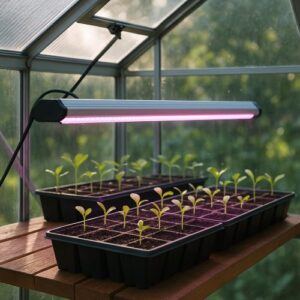
✔ MIXC Seedling Trays
(5-Pack with Humidity Domes)
Ideal for windowsill seed starting with adjustable vents to control moisture and prevent mold.
🌳 Growing and Beyond: Caring for Seedlings
Once your seedlings are up and thriving, the goal is to keep them healthy and strong. Transitioning them from tiny shoots to robust plants takes a bit of care, but the results are well worth it.
Keeping those seedlings hydrated is crucial. They need consistent watering, just like during germination, but watch out not to overdo it. Too much water can lead to root rot, so let the topsoil dry slightly between waterings.
Light remains important as your seedlings grow. Make sure they’re still positioned to catch ample sun or supplement with a grow light if needed. Rotating the containers a few times a week will ensure even exposure and strengthen their stems.
When it comes to food, a diluted, gentle fertilizer every couple of weeks can provide the boost your seedlings need. Look for an option that’s suited for young plants, which often have a specific nutrient profile.
The real excitement comes when your seedlings are ready for transplanting. Keep an eye out for signs they’re ready, such as when they’ve reached around three to four inches in height or start overcrowding the containers. Whether they’re moving to bigger pots or the great outdoors, take care during the transition to minimize shock.
Monitoring your seedlings’ growth over time and noting any changes helps spot early signs of issues while also giving you a satisfying record of their progress. Each milestone, from the first true leaves to the early stages of budding, is a testament to your green thumb.
By nurturing your seedlings from germination to full-grown plants, you not only create a beautiful addition to your space but also gain the rewarding experience of growing something from scratch.
✅ Final Thoughts…
Starting seeds on a windowsill is one of the easiest and most effective ways to kick-start your
gardening journey — no backyard required.
Even a small window ledge can deliver big results when your seeds get the right care from day one.
With the right essential tools for small-space greenhouse gardening and plenty of sunlight,
you can grow everything from fresh herbs to leafy vegetables right at home.
Ready to expand?
Our guide to indoor herb micro-greenhouses shows how to scale up without sacrificing space.
To keep things running smoothly, review common mistakes to avoid in small-space greenhouses
before moving seedlings into a more enclosed setup.
Proper airflow matters too — understanding ventilation in compact greenhouses helps prevent
damping off and other seedling issues.
And as your setup evolves, maintaining your small greenhouse for long-term use will
ensure healthy plants and consistent results season after season.
 Plan it. Grow it. Enjoy it!
 Helpful Resources for Small Greenhouse Success
Planning and maintaining a small greenhouse goes far beyond choosing the right size or layout. Understanding common pitfalls, having the right tools on hand, and setting things up correctly from the start can make a noticeable difference in both plant health and long-term enjoyment.
If you’re continuing your small greenhouse journey,
these guides will help you move forward with confidence:
-
Common Small Greenhouse Mistakes to Avoid
Learn which sizing, layout, and airflow mistakes cause the most frustration for new growers—and how to avoid them early. -
Essential Gardening Tools for Small Spaces
A practical breakdown of tools that make daily greenhouse tasks easier, cleaner, and more efficient in compact environments. -
Small Greenhouse Setup Guide
Step-by-step guidance on positioning, airflow planning, and layout decisions that set your greenhouse up for long-term success.
 Turn Your Gardening Knowledge Into a Simple Online Income
Curious how this site was built?
 Click here to learn more about Wealthy Affiliate.
SmallGardenBox.com started as a simple project built around small-space gardening ideas and greenhouse setups — and it only grew once I learned how to properly build and structure a real website.
If you’ve ever thought about sharing your gardening knowledge, greenhouse experience, or small-space growing tips online, the training at Wealthy Affiliate is what I personally used and recommend.
It walks you through building a website, creating helpful content,
and turning that knowledge into a long-term online asset.

This is such a thorough and encouraging guide to window-ledge seed starting! I love how you cover everything from choosing the right window to managing moisture and dealing with common challenges. It really makes the idea of growing plants indoors feel accessible, even for beginners.
I’m curious—what’s been your favorite or most successful plant to start on a windowsill? And do you have any tips for managing temperature fluctuations, especially in older homes with drafty windows?
Thank you so much! I really wanted this guide to empower beginners to give windowsill gardening a try, even in less-than-perfect conditions. Great question! My personal favorite to start on a windowsill has been basil. It’s quick to germinate, responds well to light, and gives that instant gratification (and aroma!).
As for temperature fluctuations, especially in drafty older homes, I’ve found that using a heat mat under the trays helps a lot. You can also place a layer of insulation, like a folded towel or piece of foam, between the window ledge and the seed trays. And if cold air is a major issue, even a temporary clear plastic barrier can help buffer young seedlings from chilly drafts. Happy planting! ????