Seasonal gardening is one of the easiest ways to keep your outdoor space productive and beautiful throughout the year.
Knowing what to plant — and when to plant it — helps you make the most of each season while avoiding common mistakes that can slow growth or reduce harvests.
Whether you’re growing vegetables, herbs, flowers, or container gardens, understanding seasonal timing takes much of the guesswork out of gardening.
This guide breaks down what to plant during each season, highlights common challenges, and offers simple tips to help your garden thrive from spring through winter.
By working with the seasons instead of against them, you can enjoy healthier plants, bigger harvests, and a more rewarding gardening experience all year long.
👉 Great gardens start with great tools.
Visit our 10 Essential Tools Every Gardener Should Own guide to discover the gear that makes digging, pruning, watering, and harvesting easier all season long.
🌱 Recommended Tools for Seasonal Gardening
Every season brings different gardening tasks.
Spring is all about planting and preparation, summer focuses on watering and maintenance, fall is harvest time, and winter offers the chance to plan and protect.
Having a few reliable tools on hand makes these seasonal changes easier to manage.
From preparing soil and transplanting seedlings to keeping up with weeding and routine care, the right tools can save time and make gardening more enjoyable throughout the year.
The following products are simple, beginner-friendly options that support planting, maintenance, and garden care no matter what season you’re in.
Fiskars SoftGrip Hand Tool Set (3-Piece)
A dependable set of hand tools is useful during every season.
Whether you’re planting seedlings in spring, tending containers in summer, harvesting herbs in fall, or preparing beds for winter, these basic tools handle many of the everyday tasks gardeners face.
🌟 Amazon Product Suggestion:

 Fiskars SoftGrip Hand Tool Set
(3-Piece)
This Fiskars hand tool set includes a trowel, cultivator, and pruners
designed for everyday planting and garden maintenance.
With durable steel heads and SoftGrip handles, these tools provide
comfort, control, and reliability for seasonal gardening tasks.
Why It’s Great:
✔️ Includes essential tools for planting, weeding, and light pruning
✔️ SoftGrip handles reduce hand fatigue during longer sessions
✔️ Durable steel construction holds up season after season
✔️ Compact and easy to store—perfect for small gardens and containers
ThermoPro TP350 Bluetooth Greenhouse Hygrometer
Temperature and humidity play a big role in seasonal gardening success.
This Bluetooth hygrometer helps you monitor changing conditions throughout the year so you know when to plant, protect, or adjust your garden care routine.
🌟 Amazon Product Suggestion:
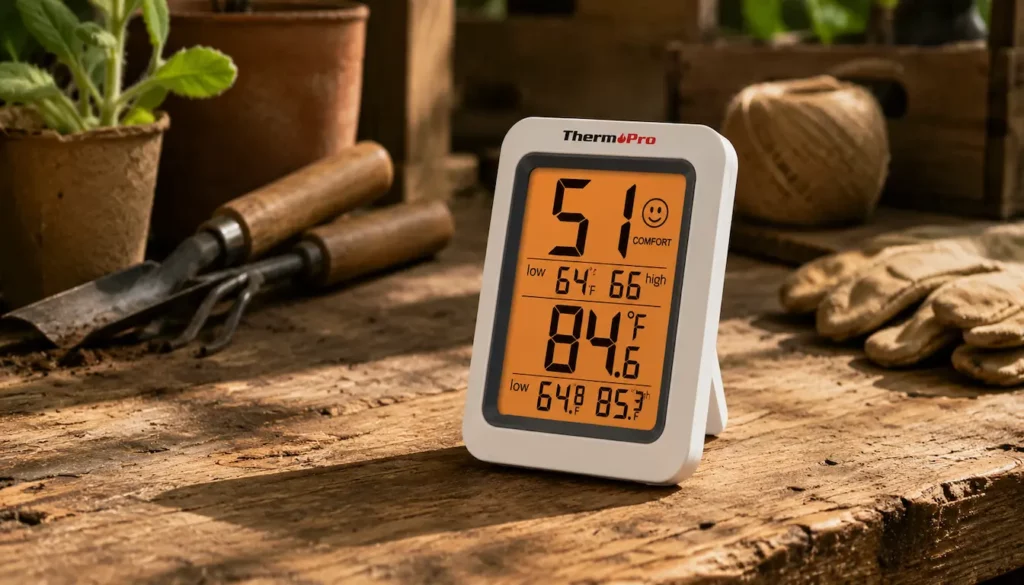
ThermoPro TP350 Bluetooth Greenhouse Hygrometer
This smart hygrometer tracks temperature and humidity in real time,
helping you catch heat spikes and humidity swings before they become a problem.
With Bluetooth monitoring up to 260 ft and a large backlit display,
it’s easy to check conditions at a glance or from your phone.
Why It’s Great:
Tracks real-time temperature and humidity
Bluetooth monitoring with app alerts for quick checks
Backlit display and recorded highs/lows for easy tuning
Helps prevent mold, heat stress, and poor ventilation
50 ft Expandable Garden Hose
Seasonal watering needs change as temperatures rise and rainfall patterns shift throughout the year.
A lightweight expandable garden hose makes it easy to water efficiently without dragging around bulky equipment.
🌟 Amazon Product Suggestion:

50 ft Expandable Garden Hose
(Brass Connectors and 10-Function Spray Nozzle)
This 50-ft expandable garden hose stretches under
water pressure and contracts for compact, tangle-free storage.
Built with a durable woven exterior, flexible inner core, and solid brass fittings,
it delivers reliable watering without the weight or bulk of a traditional hose.
Why It’s Great:
✔️ Expands when in use and shrinks down for easy storage
✔️ Heavy-duty brass connectors help prevent leaks
✔️ 10-function spray nozzle handles gentle watering or heavy cleaning
✔️ Lightweight and kink-resistant—ideal for patios, containers, and small gardens
👉 Now that you’ve got the right tools in place, let’s step back and look at the basics of seasonal gardening and how timing affects what you plant.
🌱 Understanding Seasonal Gardening Basics
Seasonal gardening means choosing plants that match the temperatures, daylight hours, and growing conditions at different times of the year.
When you plant in sync with the seasons, crops establish faster, grow stronger, and produce healthier flowers, fruits, and vegetables.
Success often comes down to knowing your local frost dates and paying attention to the planting windows recommended on seed packets.
Understanding when to sow, transplant, and harvest helps you make the most of every season and avoid many common gardening mistakes.
Different plants thrive at different times of the year.
Cool-season crops prefer the mild temperatures of spring and fall, while warm-season vegetables and flowers perform best during the heat of summer.
By working with the seasons instead of fighting them, you’ll enjoy healthier plants, bigger harvests, and a more productive garden year-round.
🗓️ How To Garden with the Seasons
Successful gardening means working with the natural rhythm of the year.
Each season brings different temperatures, daylight hours, and growing conditions, so understanding what thrives when can help you avoid mistakes and enjoy better harvests.
Because climates vary, always check your local frost dates and seed packet recommendations before planting.
- 🌷 Spring: After the last frost, cool-season crops like lettuce, spinach, peas, and brassicas thrive.
Early flowers such as pansies and snapdragons also perform well before summer heat arrives. - ☀️ Summer: Warm soil supports tomatoes, peppers, beans, squash, and heat-loving flowers like zinnias, sunflowers, and marigolds.
Consistent watering and mulch help plants handle the heat. - 🍂 Fall: As summer crops fade, favorites like kale, radishes, beets, and leafy greens take over.
Mums and cool-season annuals bring fresh color as temperatures begin to drop. - ❄️ Winter: In mild climates, garlic, onions, and hardy greens can continue growing with protection.
Even in colder regions, winter is an excellent time for soil preparation and planning for spring.
Gardening success comes from matching plants with temperature, sunlight, and rainfall throughout the year.
When you plan, plant, and clean up in sync with the seasons, you’ll face fewer problems and enjoy healthier, more productive gardens.
🌿 Plan Your Garden for Every Season
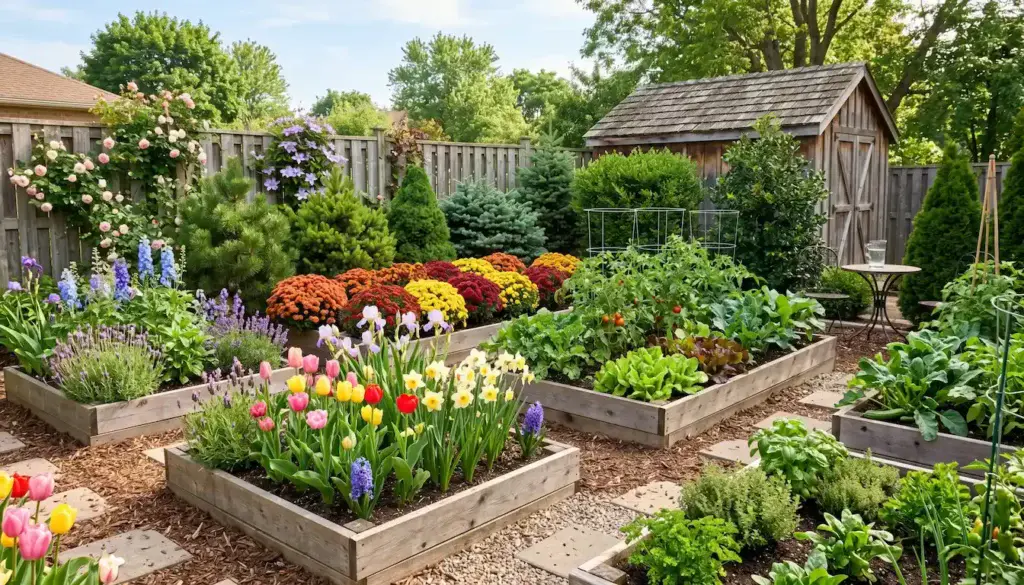
📌 Key Rules That New Gardeners Should Know
Gardening advice can feel overwhelming, but a few simple principles make the learning curve much easier.
These are some of the most useful rules that help beginners avoid frustration and enjoy better results over time.
🌱 The 3-Year Rule in Gardening
You’ve probably heard the saying:
“First year they sleep, second year they creep, third year they leap.”
Many perennials, shrubs, and fruit plants take time to establish before reaching their full potential.
Growth may seem slow at first, but patience often pays off with healthier, more vigorous plants in later years.
Understanding the 3-year rule helps prevent one of the biggest beginner mistakes — giving up on perfectly healthy plants too soon.
🗓️ Plant at the Right Time
Even the healthiest plants struggle when they’re planted at the wrong time.
Paying attention to frost dates, soil temperatures, and seasonal growing windows helps plants establish faster and produce better blooms or harvests.
🌿 Start Small and Grow Over Time
It’s tempting to plant everything at once, but successful gardens are usually built gradually.
Starting with a manageable number of plants makes watering, fertilizing, and maintenance easier while helping you learn what grows best in your space.
⚠️ Common Mistakes First Time Gardeners Make
Starting a garden can feel overwhelming, and everyone makes a few mistakes along the way.
Fortunately, most problems are easy to avoid once you know what to watch for.
🌞 Planting in the Wrong Location
Sun-loving plants struggle in shade, while cool-season greens can suffer in intense summer heat.
Always check plant tags and match crops to the amount of sunlight they need.
🌡️ Planting Too Early
Many vegetables and flowers need warm soil and steady temperatures to thrive.
Waiting an extra week or two can prevent late frosts from wiping out young plants.
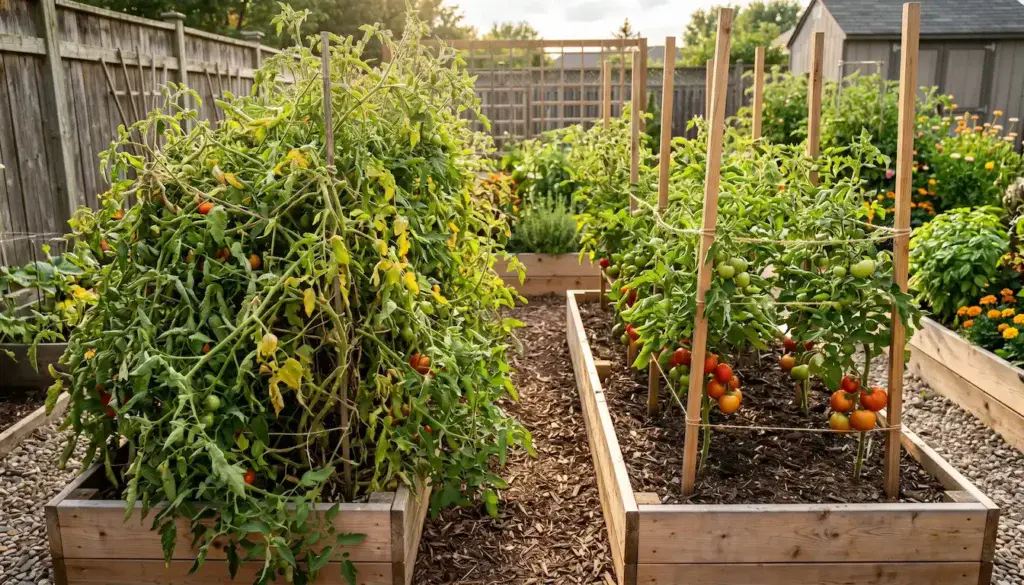
💧 Overwatering
Constantly wet soil can lead to root rot, yellow leaves, and poor growth.
Water deeply when needed instead of watering on a fixed schedule.
🌿 Crowding Plants
Plants packed too closely compete for sunlight, nutrients, and airflow, making them more vulnerable to pests and disease.
Giving each plant enough room helps create a healthier, more productive garden.
📝 Not Keeping Notes
Recording planting dates, varieties, and successes from year to year makes future gardening easier and helps you avoid repeating the same mistakes.
🌿 Avoid These Beginner Gardening Mistakes
🌸 Seasonal Planting Guide (What Grows Each Season)
Every garden zone has its own quirks, so local frost dates and extension offices are always worth consulting.
That said, this simple seasonal planting guide provides a good starting point for planning vegetables, herbs, and flowers throughout the year.
🌷 Spring
Lettuce, spinach, peas, broccoli, onions, pansies, and snapdragons thrive in the cooler temperatures of spring.
☀️ Summer
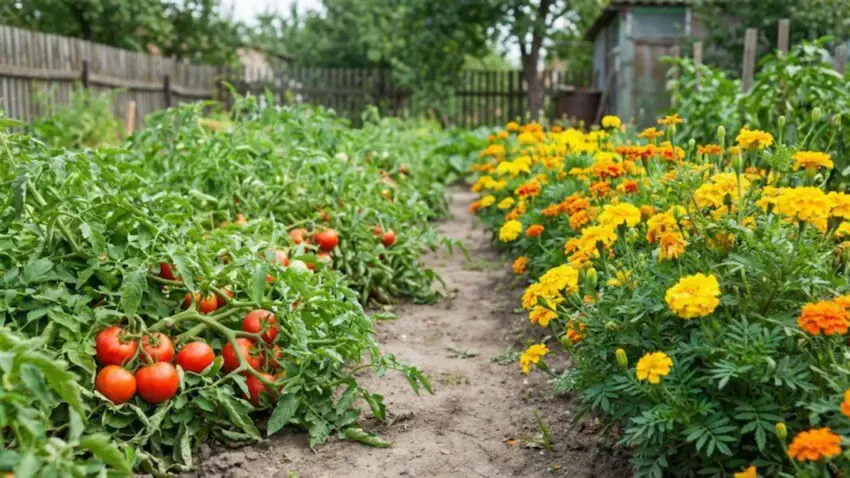
Tomatoes, peppers, beans, zucchini, cucumbers, sunflowers, and marigolds love warm soil and long sunny days.
🍂 Fall
Kale, carrots, radishes, beets, asters, ornamental kale, and fall mums perform best as temperatures begin to cool.
❄️ Winter
Garlic, shallots, winter rye, evergreen plants, hellebores, and winter pansies can continue growing with protection in many regions.
Rotating crops and avoiding planting the same families in the same location year after year helps maintain healthier soil and reduces pest problems.
Staggering planting times can also extend harvests so something fresh is always ready as one crop finishes.
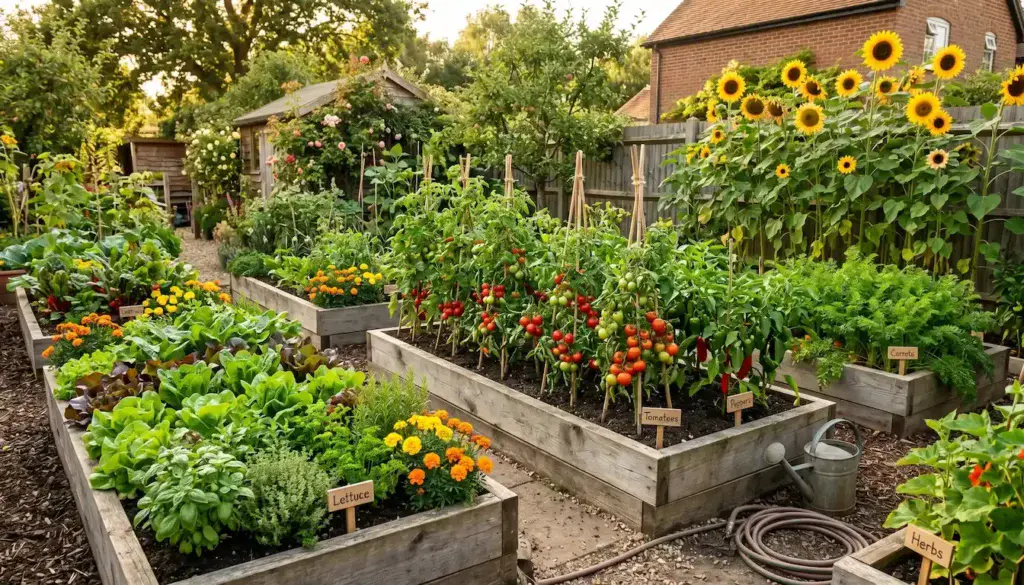
If space is limited, containers and raised beds provide flexibility and make it easier to move plants into sunnier or more protected locations as the seasons change.
🌿 Growing With the Seasons
🛠️ Advanced Tips for Seasonal Success
Once you’ve mastered the basics, a few simple strategies can make your garden more productive and easier to manage throughout the year.
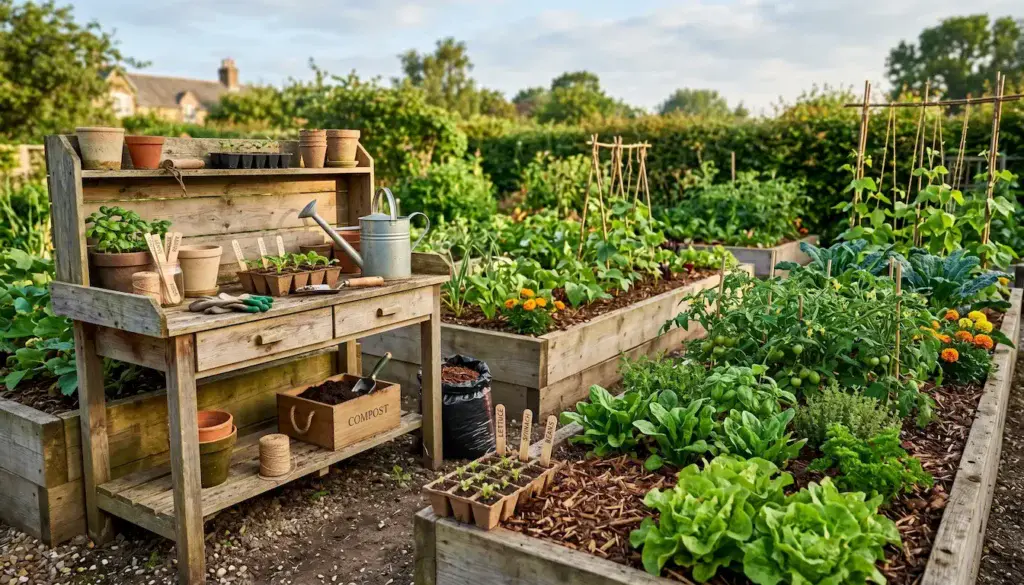
- Layering: Place taller plants in the back, midsize plants in the middle, and low-growing herbs or groundcovers up front.
This creates fuller beds and helps suppress weeds naturally. - Succession Planting: Sow small batches of seeds every couple of weeks to spread out harvests and keep fresh vegetables coming instead of harvesting everything at once.
- Soil Health: Add compost or mulch regularly to replenish nutrients and improve soil structure.
Healthy soil supports stronger plants and fewer pest problems. - Protection: Row covers, shade cloth, and mulch help shield plants from temperature swings, drought, and pests during unpredictable weather.
Weather conditions can change quickly, so keeping an eye on rainfall, temperatures, and seasonal forecasts helps you know when to water, fertilize, or protect sensitive plants.
And don’t underestimate the value of learning from other gardeners — sharing ideas with friends, neighbors, or local garden clubs often leads to solutions you won’t find on a seed packet.
🌿 Advanced Seasonal Gardening Tips
📝 What To Consider Before Planting (Planning Tips)
Before planting anything new, take a few minutes to evaluate your growing space.
Asking a handful of simple questions up front can prevent many common problems and lead to healthier, more productive plants.
- ☀️ Sunlight: How many hours of direct sun does each area receive?
Some plants love full sun, while others prefer partial shade. - 🌱 Soil: Is your soil sandy, clay-heavy, or somewhere in between?
Does water drain well, or do puddles linger after rain? - 💧 Water Access: Can a hose or watering can easily reach every part of the garden without creating extra work?
- 🌿 Space: Will plants have enough room to spread and enough airflow to stay healthy?
- 🐇 Pests and Animals: Are rabbits, deer, birds, or insects common in your area?
Do you have a plan to protect vulnerable plants?
Thinking through these details before planting helps prevent surprises later.
A little planning up front often leads to healthier plants, easier maintenance, and more enjoyable gardening throughout the season.
🌿 A Garden Worth Enjoying

🏁 Final Thoughts…
Seasonal gardening works best when you match plants to the time of year and pay attention to sunlight, soil, and weather conditions.
Simple habits like planting at the right time, spacing plants properly, and learning from each season go a long way toward healthier plants and better harvests.
Whether you’re growing vegetables, herbs, flowers, or container gardens, working with the seasons helps keep gardening productive and enjoyable year after year.
Keep notes, stay curious, and remember that every season brings new opportunities to learn, grow, and enjoy the rewards of your garden.
 Continue Your Greenhouse Journey
If you’re ready to take the next step, these guides will help you avoid common mistakes, choose the right tools, and get more from your growing space.
-
Common Small Greenhouse Mistakes to Avoid
Learn which sizing, layout, and airflow mistakes cause the most frustration for new growers—and how to avoid them early. -
Small Greenhouse Setup Guide
Step-by-step guidance on positioning, airflow planning, and layout decisions that set your greenhouse up for long-term success.
 Turn Small Spaces Into Living Spaces
You don’t need a large backyard to enjoy gardening.
With the right setup, a little planning, and a willingness to learn, even the smallest balcony, patio, or corner can become a productive growing space.
 Plan it. Grow it. Enjoy it!