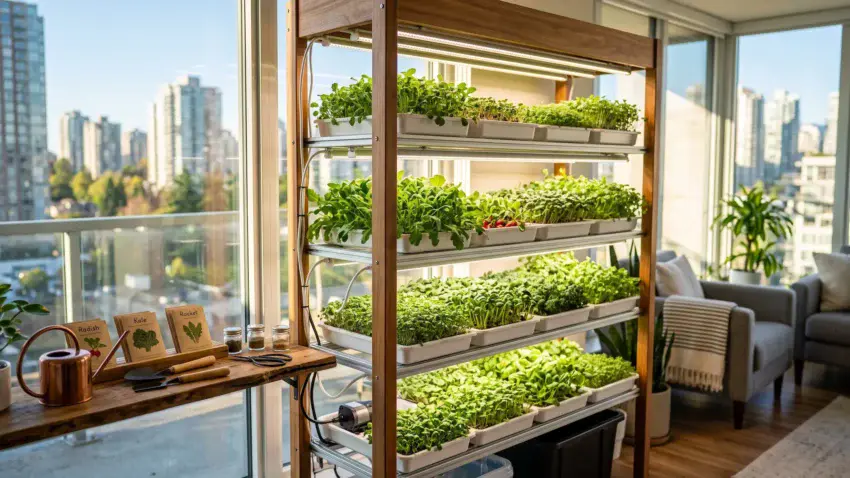
Hydroponic microgreen kiosks make it easy to grow fresh, nutrient-rich greens in surprisingly small spaces.
Designed for apartments and other compact homes, these vertical systems combine hydroponics with efficient shelving to produce healthy harvests year-round without taking over your living area.
Whether you’re growing broccoli, radish, pea shoots, or sunflower microgreens, a hydroponic kiosk keeps everything organized, clean, and easy to maintain.
In this guide, you’ll learn how these compact systems work, what you’ll need to get started, and how to enjoy fresh microgreens just steps from your kitchen.
👉 Want to grow more than just microgreens?
Explore our Indoor Herb Micro-Greenhouses guide to learn how compact indoor greenhouses create the perfect environment for growing fresh herbs all year long.
🌱 Setting Up Your Apartment Window Greenhouse
Getting started with a hydroponic microgreen kiosk is easier than you might think.
One of the simplest options is the Kratky Method — a passive hydroponic system that requires no pumps, no electricity, and very little maintenance, making it ideal for apartment living.
What You’ll Need
Before planting your first microgreens, gather these basic supplies:
✔️ A container or reservoir
✔️ Net pots
✔️ Microgreen seeds
✔️ Rockwool cubes or coco coir
✔️ Hydroponic nutrient solution
Once you have your supplies, place your kiosk near a south-facing or west-facing window where it will receive 4–6 hours of natural sunlight each day.
If your apartment doesn’t get enough light, adding a full-spectrum LED grow light will keep your microgreens growing strong.
With the right location and a simple setup, you’ll be harvesting fresh, nutrient-rich microgreens in just a few weeks — all without taking up much space.
⭐ Everything You Need to Get Started
A successful hydroponic microgreen kiosk starts with a few essential components that work together.
These beginner-friendly products provide the warmth, support, and nutrients your microgreens need to germinate quickly, develop strong roots, and produce healthy harvests right from your apartment window.
Hydrofarm Jump Start Seedling Heat Mat
A seedling heat mat helps create the warm, consistent temperatures that encourage faster germination and stronger early growth.
It’s an easy upgrade for hydroponic setups, especially when growing microgreens in cooler apartments or during the winter months.
⭐ Amazon Product Suggestion:
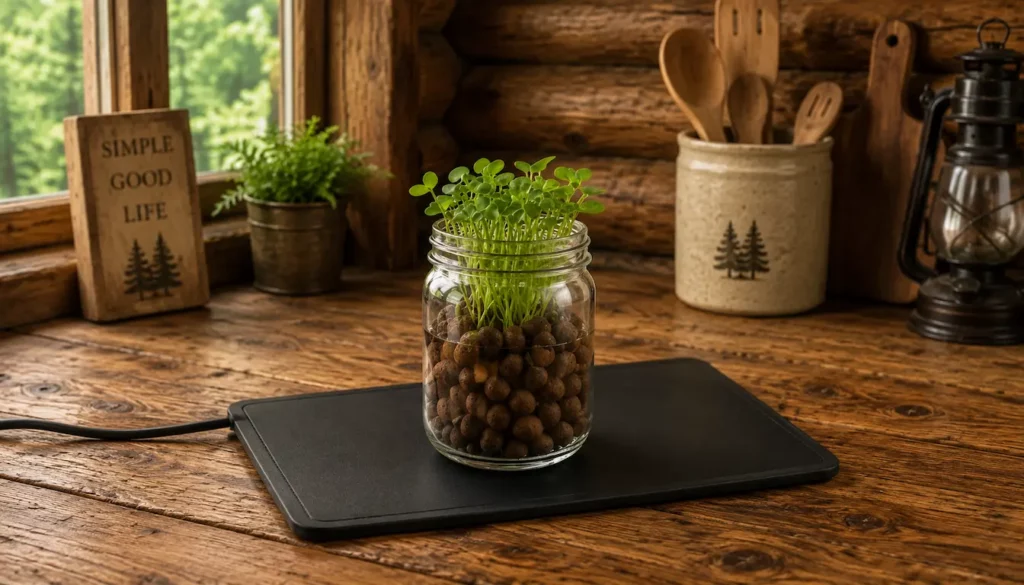
✔ Hydrofarm Jump Start Seedling Heat Mat
(9″ x 19.5″)
The Hydrofarm Jump Start Seedling Heat Mat
provides gentle, consistent warmth to improve
germination rates and encourage healthy root development.
It’s an excellent addition to a hydroponic microgreen setup,
helping seeds sprout more quickly and grow more uniformly.
Awpeye 3″ Net Cups
These 3-inch net cups provide the support your microgreens need while allowing water, oxygen, and nutrients to reach the roots.
They’re a simple but essential component of any Kratky or hydroponic growing system.
⭐ Amazon Product Suggestion:
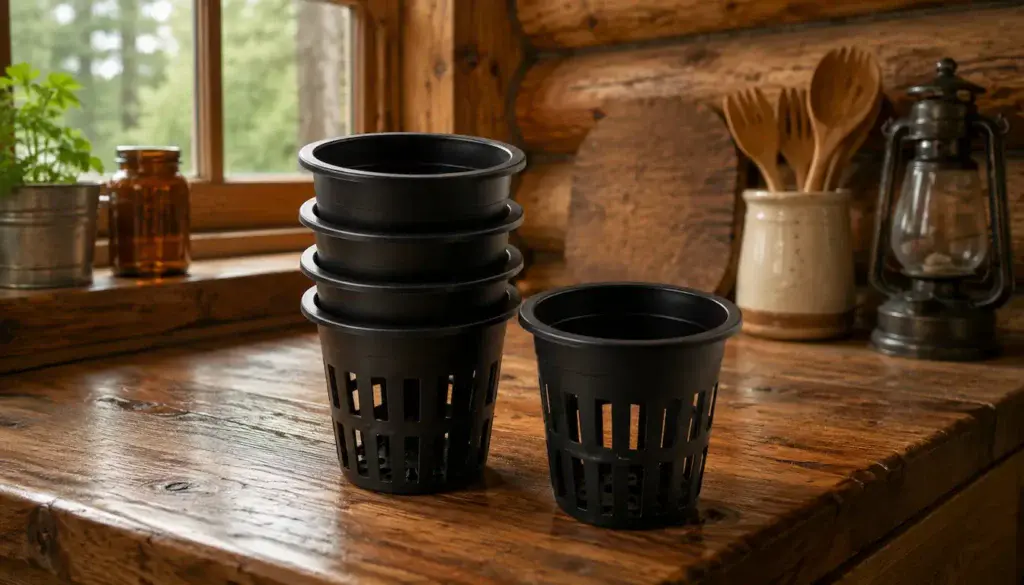
✔ Awpeye 3″ Net Cups
(40-Pack)
Auwpeye 3-inch Net Cups are designed to
securely hold growing media while allowing roots to
expand freely through the slotted sides.
They’re durable, reusable, and ideal for
hydroponic microgreens, herbs, and leafy greens.
General Hydroponics Flora Series
A balanced hydroponic nutrient solution gives your microgreens the essential minerals they need for fast, healthy growth.
The General Hydroponics Flora Series makes it easy to provide complete nutrition from germination through harvest.
⭐ Amazon Product Suggestion:
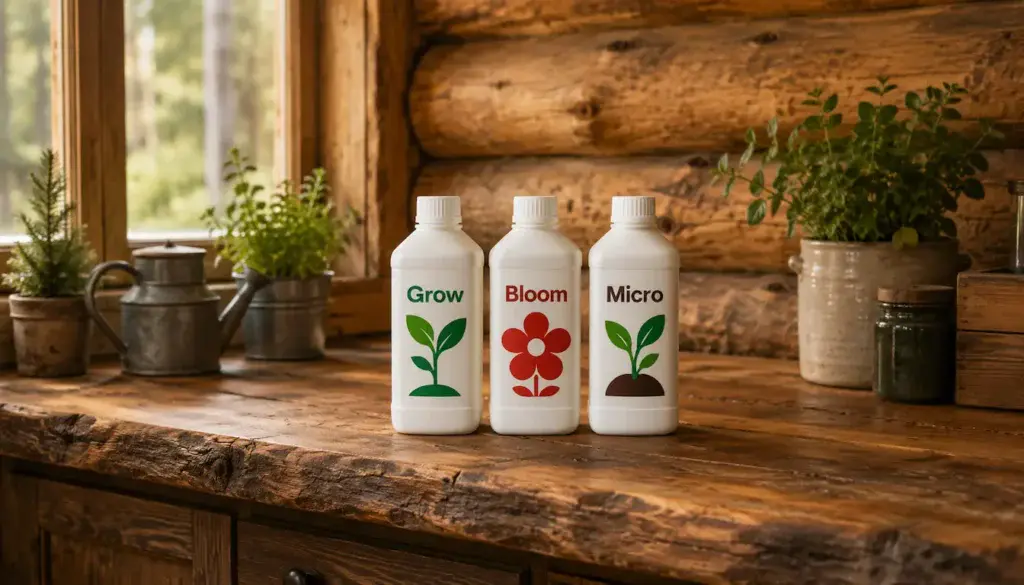
✔ General Hydroponics Flora Series
(Grow, Bloom, Micro)
The General Hydroponics Flora Series provides a
complete three-part nutrient system that supports
healthy root development, vigorous growth, and productive harvests.
It’s a trusted choice for hydroponic gardeners and
works exceptionally well in Kratky systems for
growing microgreens, herbs, and leafy greens.
Why It’s Great
✔️ Complete three-part formula for balanced plant nutrition.
✔️ Promotes faster growth and healthy root development.
✔️ Easy to customize nutrient levels for different growth stages.
✔️ Ideal for hydroponic microgreens, herbs, and leafy vegetables.
🌿 Challenges and Solutions in Hydroponic Gardening
Like any gardening method, hydroponics has a learning curve.
The good news is that most common issues are easy to prevent with a little routine maintenance and the right setup.
Common Challenges and Simple Solutions
-
⚡ Power interruptions (for active systems)
Keep a battery backup or small air pump on hand to maintain oxygen flow during short outages.
(Kratky systems don’t rely on electricity.) -
🟢 Algae growth
Block light from reaching your nutrient solution by using opaque containers or covering clear reservoirs. -
🚫 Clogged net cups or tubing
Rinse net cups and inspect your system regularly to prevent debris from restricting water flow. -
💧 Nutrient imbalances
Follow the recommended feeding schedule and replace your nutrient solution every 1–2 weeks to keep plants growing vigorously. -
🌬️ Poor air circulation
A small clip-on fan improves airflow, strengthens young plants, and helps reduce excess moisture around your microgreens.
Most hydroponic problems can be avoided with a few minutes of routine care each week.
Stay consistent with cleaning, lighting, and nutrient management, and your apartment hydroponic garden will continue producing healthy, flavorful microgreens year-round.
💰 Getting the Most from Your Hydroponic Setup
One of the biggest advantages of hydroponic microgreens is how much you can grow in a small space.
By making smart use of your apartment window and choosing efficient growing methods, you can enjoy frequent harvests while keeping costs low.
Tips for Better Results
-
♻️ Reuse supplies whenever possible.
Clean and reuse net cups, containers, and other durable equipment to reduce long-term costs. -
🌿 Grow fast-maturing microgreens.
Varieties like radish, broccoli, pea shoots, and sunflower sprouts provide quick harvests and consistent results. -
📚 Make the most of vertical space.
Stack trays or use multi-tier shelving to increase your growing capacity without taking up additional floor space. -
⏱️ Harvest on schedule.
Regular harvesting keeps your growing cycle moving and ensures your microgreens are at their freshest.
Whether you’re growing fresh greens for your own kitchen or producing enough to share with family and friends, a well-organized hydroponic system makes the most of every square inch.
Small improvements in efficiency can lead to healthier plants, more frequent harvests, and a more enjoyable indoor gardening experience.
🏁 Final Thoughts…
A hydroponic microgreen kiosk is one of the easiest ways to enjoy fresh, home-grown greens without needing a backyard or a full-size greenhouse.
By combining a compact growing system with the right lighting, nutrients, and a little routine care, you can harvest nutritious microgreens year-round from the comfort of your apartment.
The beauty of hydroponic gardening is its simplicity.
Once your system is up and running, it requires very little space or maintenance, making it an excellent choice for beginners and experienced gardeners alike.
Whether you’re growing microgreens to add fresh flavor to your meals, reduce grocery costs, or simply enjoy a rewarding indoor hobby, a well-designed hydroponic kiosk makes it easy to succeed. Start small, learn as you grow, and you’ll be surprised how productive even a single sunny window can become.
 Continue Your Greenhouse Journey
If you’re ready to take the next step, these guides will help you avoid common mistakes, choose the right tools, and get more from your growing space.
-
Common Small Greenhouse Mistakes to Avoid
Learn which sizing, layout, and airflow mistakes cause the most frustration for new growers—and how to avoid them early. -
Essential Gardening Tools for Small Spaces
A practical breakdown of tools that make daily greenhouse tasks easier, cleaner, and more efficient in compact environments. -
Small Greenhouse Setup Guide
Step-by-step guidance on positioning, airflow planning, and layout decisions that set your greenhouse up for long-term success.
 Turn Small Spaces Into Living Spaces
You don’t need a large backyard to enjoy gardening.
With the right setup, a little planning, and a willingness to learn, even the smallest balcony, patio, or corner can become a productive growing space.
 Plan it. Grow it. Enjoy it!