
If you’re working with a small balcony, you don’t need a large backyard to enjoy greenhouse gardening. A compact balcony greenhouse creates a protected growing space where herbs, vegetables, flowers, and seedlings can thrive throughout the year.
The right design makes all the difference. Choosing a greenhouse that fits your available space while providing good airflow, sunlight, and weather protection helps your plants stay healthy in even the smallest outdoor areas.
In this guide, you’ll learn how to choose the right greenhouse, build it safely, secure it against wind, and create an efficient growing space that fits your balcony and your budget.
A well-planned balcony greenhouse can turn even the smallest outdoor space into a productive garden.
👉 Looking for more ways to make the most of a small growing space? Check out our Small Balcony Greenhouse Layout Ideas guide for practical tips on organizing plants, maximizing vertical space, and creating an efficient greenhouse that fits your balcony perfectly.

⚡ Quick Answer: How To Build a Balcony Greenhouse
Building a balcony greenhouse starts with choosing a compact frame that fits your available space. Add a clear PE, PVC, or polycarbonate cover, secure the structure against wind, and position it where it receives plenty of sunlight while allowing good airflow.
The best balcony greenhouses are sturdy, well-ventilated, and easy to access for watering and plant care. With the right materials and placement, you can create a productive growing space for herbs, vegetables, flowers, and seedlings all year long.
🧰 Materials You’ll Need
Before you start building, gather everything you’ll need to make the project faster, easier, and more organized. ✔️ 4–5 tier metal shelving unit (sturdy, rust-resistant frame) ✔️ UV-resistant PE or PVC greenhouse cover ✔️ Zip ties or heavy-duty clamps to secure the cover ✔️ Digital thermometer/hygrometer to monitor conditions ✔️ Small clip-on fan for ventilation (recommended) ✔️ Seedling heat mat for cooler weather or early starts (optional) Having your materials ready before you begin will save time and make the building process much smoother.🛡️ Balcony Safety Checklist
Before setting up your greenhouse, take a few minutes to make sure your balcony is safe, stable, and ready for the extra weight.
✔️ Check your balcony’s weight limits, especially in apartments or older buildings.
✔️ Keep drainage channels clear so water can flow away freely.
✔️ Secure the greenhouse against strong winds with ties, clamps, or anchors.
✔️ Position the greenhouse away from the balcony railing to reduce wind exposure.
✔️ Maintain good ventilation to prevent excess heat and humidity.
A few simple safety checks can protect both your greenhouse and your plants while giving you peace of mind throughout the growing season.
👉 Good airflow is one of the most important parts of a healthy balcony greenhouse. Check out our Greenhouse Ventilation guide to learn how to reduce heat buildup, control humidity, and keep fresh air moving so your plants stay healthy year-round.
🌿 What Is a Balcony Greenhouse?
A balcony greenhouse is a compact, weather-protected structure designed for small outdoor spaces such as apartment balconies, patios, decks, and porches. It creates a controlled environment that helps plants stay warmer, healthier, and better protected from wind, pests, and changing weather.
Unlike a full-size greenhouse, a balcony model is lightweight, space-efficient, and easy to assemble. It’s an excellent solution for growing herbs, vegetables, seedlings, and flowers when you don’t have a traditional backyard.
A Good Balcony Greenhouse Should Include:
✔️ A sturdy frame that can withstand wind
✔️ A clear PE, PVC, or polycarbonate cover
✔️ Shelving or vertical tiers to maximize growing space
✔️ Proper ventilation for healthy airflow
Think of a balcony greenhouse as a small, climate-controlled garden that lets you grow more in less space.
👉 For a deeper dive into greenhouse styles and long-term care strategies, see our complete balcony greenhouse guide.
🌱 Best Balcony Greenhouses for Small Spaces
Choosing the right balcony greenhouse depends on your available space, growing goals, and local weather conditions. Whether you’re looking for a compact unit for herbs or a larger walk-in model for vegetables and seedlings, there’s an option to fit almost any balcony or patio.
The five greenhouse kits below offer a variety of sizes, features, and price points to help you create a productive growing space without taking over your entire outdoor area.
Green House 4-Tier Rack Stand Portable
by: TianC beauty If you’re looking for an affordable way to protect herbs, seedlings, and small vegetables, a compact 4-tier greenhouse is a smart place to start. Its vertical design maximizes growing space while taking up very little room on a balcony, patio, or porch.🌟 Amazon Product Suggestion:
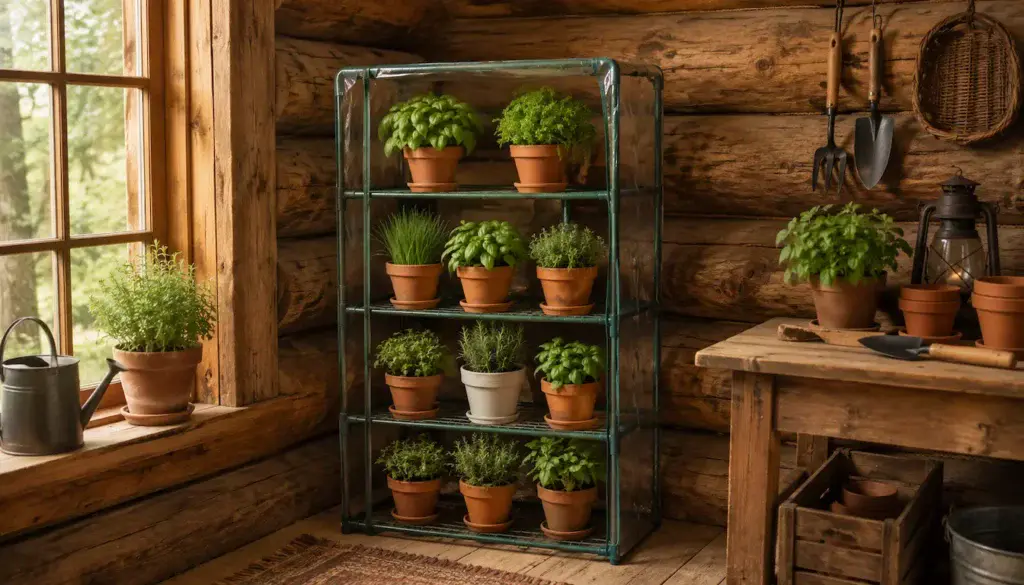
✔ Small Plastic 4-Tier Greenhouse with Durable PE Cover
The Small Plastic 4-Tier Greenhouse with Durable PE Cover provides four sturdy shelves for organizing plants while shielding them from wind, light frost, and changing weather. Its lightweight frame, clear PE cover, and zippered front panel create a simple, space-saving greenhouse that’s ideal for beginners and small-space gardeners.
Why It’s Great
✔️ Four shelves maximize vertical growing space
✔️ Clear PE cover retains warmth and humidity
✔️ Zippered front panel allows easy plant access
✔️ Perfect for balconies, patios, and small gardens
3 Tier Mini Greenhouse Portable Greenhouse
by: The Pure GardenA compact 3-tier greenhouse is a great choice when you want reliable plant protection without taking up much floor space. It’s perfect for balconies, patios, and small porches where every square foot counts.
🌟 Amazon Product Suggestion:
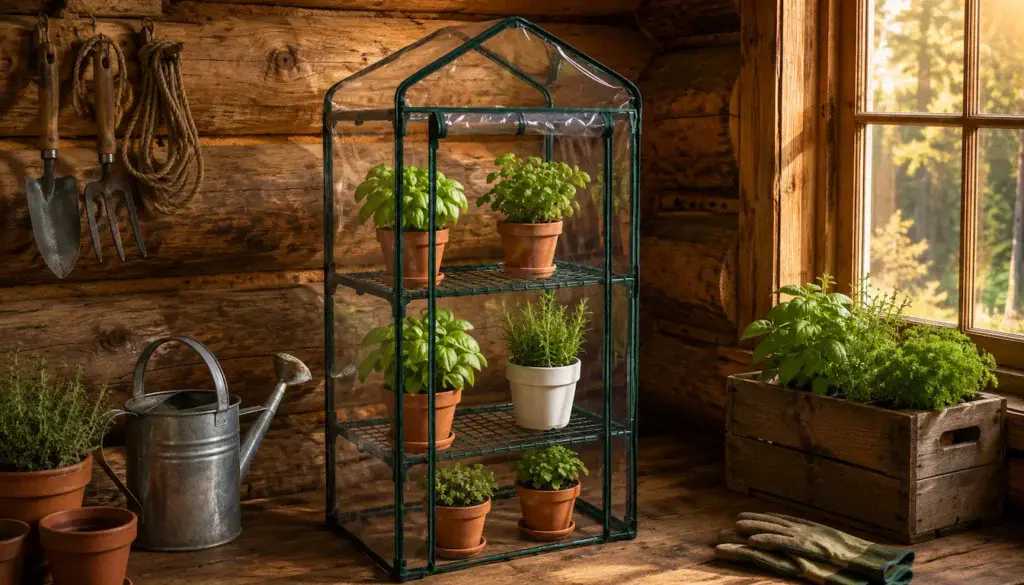
✓ 3-Tier Mini Greenhouse with Clear PVC Cover
The 3-Tier Mini Greenhouse with Clear PVC Cover offers three sturdy shelves for herbs, seedlings, flowers, and small vegetables while protecting them from wind, light frost, and changing weather. Its clear PVC cover, zippered front panel, and lightweight frame make it an easy, space-saving solution for beginner gardeners.
Why It’s Great
✔️ Three shelves maximize growing space
✔️ Clear PVC cover traps warmth and humidity
✔️ Zippered front panel provides easy access
✔️ Ideal for balconies, patios, and porches
2-Tier Wooden Cold Frame Garden Greenhouse
by: The MCombo If you prefer a more decorative greenhouse that blends naturally with your outdoor space, a wooden cold frame is an excellent choice. Its compact footprint makes it perfect for balconies, patios, and small gardens while providing reliable protection for young plants.🌟 Amazon Product Suggestion:
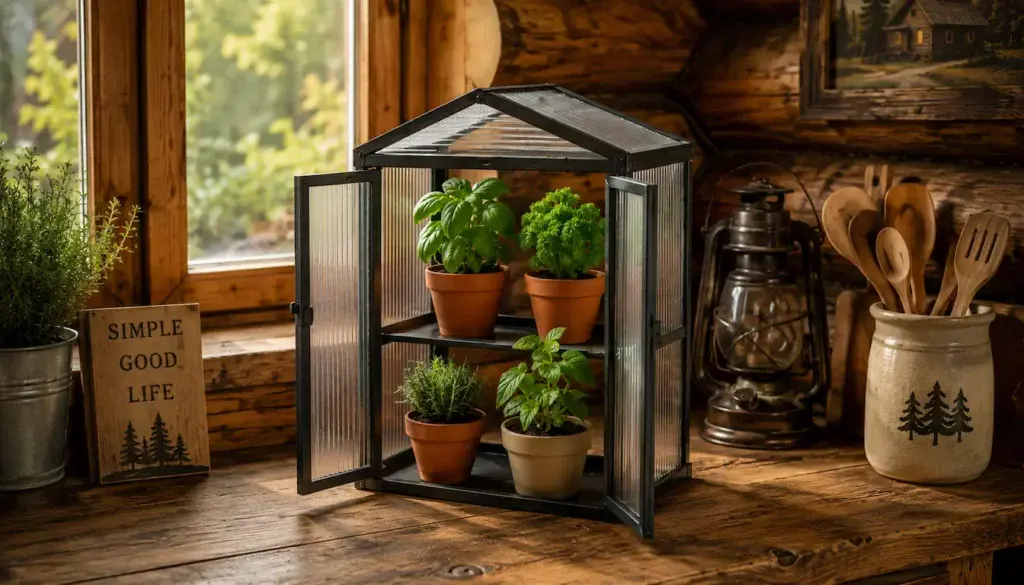
✔️ MCombo 2-Tier Wooden Cold Frame Greenhouse with Polycarbonate Panels
The MCombo 2-Tier Wooden Cold Frame Greenhouse with Polycarbonate Panels combines a durable wooden frame with clear polycarbonate panels to create a warm, sheltered environment for herbs, seedlings, and flowers. Its two spacious shelves and hinged roof make watering, ventilation, and daily plant care simple and convenient.
Why It’s Great
✔️ Attractive wooden frame complements outdoor spaces
✔️ Polycarbonate panels provide excellent insulation
✔️ Hinged roof allows easy watering and ventilation
✔️ Perfect for herbs, seedlings, and flowering plants
Mini Walk-in Greenhouse
by: FatazoiiIf you want the convenience of a walk-in greenhouse without giving up your entire patio or balcony, this compact model is a great fit. It offers plenty of vertical growing space while keeping herbs, vegetables, and seedlings protected from the elements.
🌟 Amazon Product Suggestion:
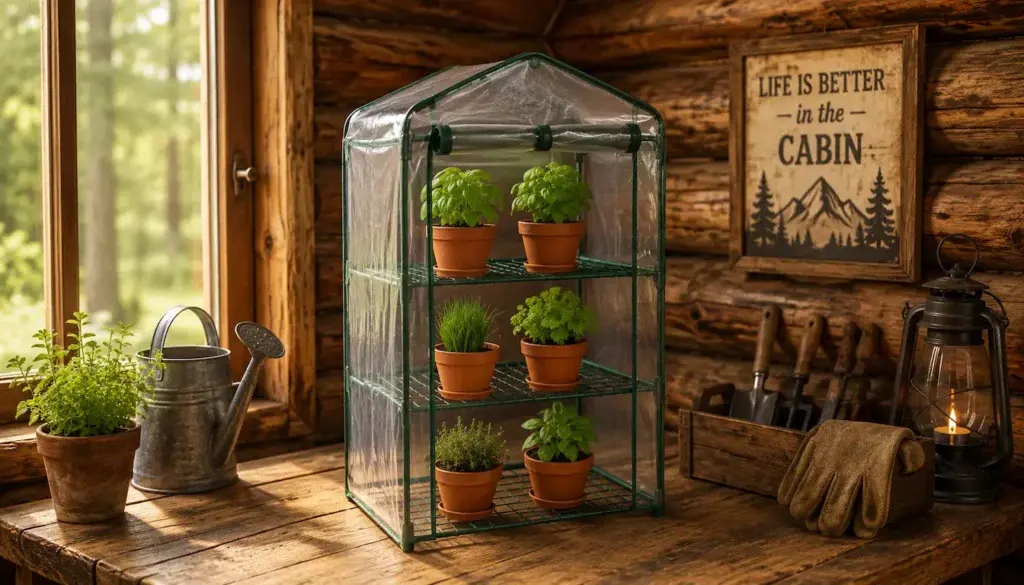
✔ 56×56×78-Inch Mini Walk-In Greenhouse with Steel Shelves
The 56×56×78-Inch Mini Walk-In Greenhouse with Steel Shelves features a durable steel frame, multiple storage shelves, and a clear PE cover that creates a warm, protected environment for healthy plant growth. Its zippered roll-up door provides easy access while helping retain warmth and humidity throughout the growing season.
Why It’s Great
✔️ Walk-in design makes plant care easy
✔️ Four steel shelves maximize growing space
✔️ Durable PE cover protects against wind and light frost
✔️ Ideal for herbs, vegetables, seedlings, and flowers
Mini Greenhouse for Indoor Outdoor
by: Ohuhu If you need a greenhouse that works just as well on a balcony as it does on a patio or porch, this versatile model is worth a look. Its compact footprint and tall design provide plenty of growing space without overwhelming smaller outdoor areas.🌟 Amazon Product Suggestion:
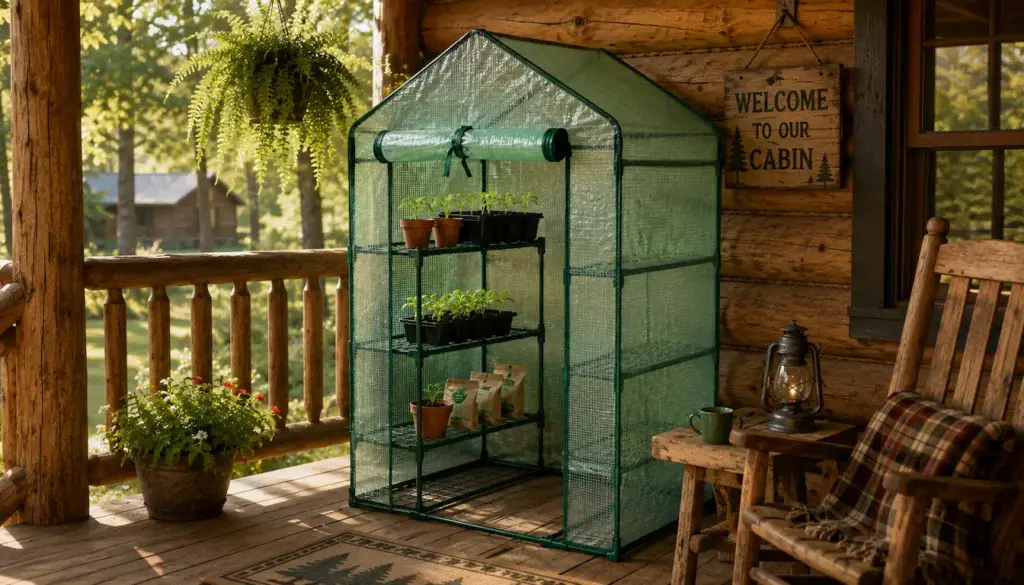
✔ Ohuhu Mini Greenhouse 4-Tier Clear-Cover Balcony Greenhouse
The Ohuhu Mini Greenhouse 4-Tier Clear-Cover Balcony Greenhouse features a durable steel frame, four sturdy shelves, and a clear PE cover that helps retain warmth while protecting plants from wind and light frost. Its roll-up zippered door makes watering and daily plant care simple, making it an excellent choice for herbs, seedlings, flowers, and compact vegetables.
Why It’s Great
✔️ Four shelves maximize vertical growing space
✔️ Clear PE cover retains warmth and humidity
✔️ Roll-up zippered door provides easy access
✔️ Great for balconies, patios, porches, and small gardens
🛠️ PVC Frame Greenhouses with Clear Covers
PVC frame greenhouses are among the most affordable and beginner-friendly options for balcony gardening. Their lightweight frames and clear PE or PVC covers create a warm, protected environment that’s perfect for starting seeds, growing herbs, and extending the growing season.
Best for: Renters and gardeners looking for a budget-friendly solution
Benefits: Lightweight, inexpensive, quick to assemble, and excellent heat retention
🏢 Wall-Mounted Balcony Greenhouses
Wall-mounted greenhouses attach to a balcony wall or railing, making them an excellent choice when floor space is limited. Their compact design provides shelter for plants while improving stability and maximizing every inch of available growing space.
Best for: Narrow balconies and space-conscious gardeners
Benefits: Saves floor space, improves stability, and protects plants from wind
🪟 DIY Polycarbonate Balcony Greenhouses
Building your own polycarbonate greenhouse is a great option if you want better insulation and long-term durability. Paired with a simple wooden or PVC frame, polycarbonate panels create a sturdy greenhouse that’s well suited for year-round growing.
Best for: Gardeners who want a durable, long-lasting DIY greenhouse
Benefits: Excellent insulation, improved temperature control, and years of reliable performance
🌿 How to Choose the Right Balcony Greenhouse
Choosing the right balcony greenhouse starts with understanding your available space, local weather, and gardening goals. The best greenhouse isn’t always the biggest—it’s the one that fits your balcony safely while providing enough room for the plants you want to grow.
Measure Your Balcony First
Measure your balcony’s width, depth, and height before purchasing a greenhouse. Even compact models can feel much larger once assembled, so leave enough room for doors to open, watering, and everyday access.
Consider Your Growing Goals
Think about what you plan to grow before choosing a greenhouse. Herbs and seedlings require far less space than tomatoes, peppers, or climbing vegetables, so matching the greenhouse size to your plants will give you better long-term results.
Leave several inches of clearance around the greenhouse to improve airflow, allow easy access, and keep your balcony comfortable to use.
🏢 Check Your Balcony’s Weight Limits
Before setting up your greenhouse, make sure your balcony can safely support the added weight. Soil, containers, water, shelving, and mature plants can add up much faster than most people expect.
If you live in an apartment or condo, check any building guidelines or weight restrictions before installing your greenhouse. It’s always better to plan ahead than risk overloading your balcony.
A sturdy greenhouse is only as safe as the surface supporting it.
☀️ Sunlight Direction Matters
The amount of sunlight your balcony receives will influence what you can successfully grow. Understanding your balcony’s orientation helps you choose the right plants and decide whether you’ll need extra ventilation or supplemental lighting.
Use this quick guide:
- East-facing: Gentle morning sun—great for herbs and leafy greens
- South-facing: Maximum sunlight—ideal for tomatoes, peppers, and fruiting plants
- West-facing: Hot afternoon sun—provide extra ventilation and shade if needed
- North-facing: Limited direct sunlight—consider adding an LED grow light
Matching your plants to your available sunlight leads to healthier growth and better harvests.
💨 Consider Wind Exposure
Balconies — especially those in upper-floor apartments — can experience strong, unpredictable winds. Choosing the right greenhouse and securing it properly will help protect both your plants and your investment.
If your balcony is exposed to frequent wind:
✔️ Choose a greenhouse with a sturdy metal frame ✔️ Secure it with anchors, straps, or weighted sandbags ✔️ Avoid lightweight pop-up models in exposed locations ✔️ Fasten taller greenhouses to a wall or railing whenever possiblePlanning for wind before you build your greenhouse can prevent damage and keep your plants growing safely all season long.
🪟 Choose the Right Cover Material
The cover material plays a big role in how well your greenhouse retains heat, protects plants, and stands up to the weather. Choosing the right option depends on your climate, budget, and how long you expect the greenhouse to last.
- PVC Covers: Lightweight, affordable, and ideal for seasonal use
- PE Covers: More durable than PVC with better UV resistance
- Polycarbonate Panels: Superior insulation, strength, and long-term performance
The right cover material can improve temperature control, extend your growing season, and reduce maintenance over time.
🧤 Think About Maintenance and Accessibility
A greenhouse should be easy to use every day — not just easy to build. Choose a design that gives you comfortable access to your plants so routine care stays simple and enjoyable.
Look for features that allow you to:
✔️ Open and close the cover with ease
✔️ Reach every shelf without stretching
✔️ Water plants comfortably
✔️ Rotate or rearrange containers as they grow
The easier your greenhouse is to access, the more likely you’ll keep your plants healthy and productive throughout the season.
Step 3: Anchor the Greenhouse Securely
Even a small greenhouse can become unstable during strong winds if it isn’t properly secured. Taking a few minutes to anchor your greenhouse now can prevent costly damage later.
Secure your greenhouse using:
✔️ Heavy-duty Velcro straps or tie-down straps
✔️ Zip ties for additional frame support
✔️ Sandbags or weighted bases for extra stability
✔️ Rail clamps or wall anchors when permitted
A securely anchored greenhouse is far less likely to tip, shift, or slide during windy conditions, helping protect both your plants and your balcony.
Umbrella Base Weights Heavy-Duty Sandbags
Keeping your balcony greenhouse secure is just as important as choosing the right one. These heavy-duty umbrella base sandbags provide a simple, affordable way to add stability and reduce the risk of tipping during windy weather.🌟 Amazon Product Suggestion:
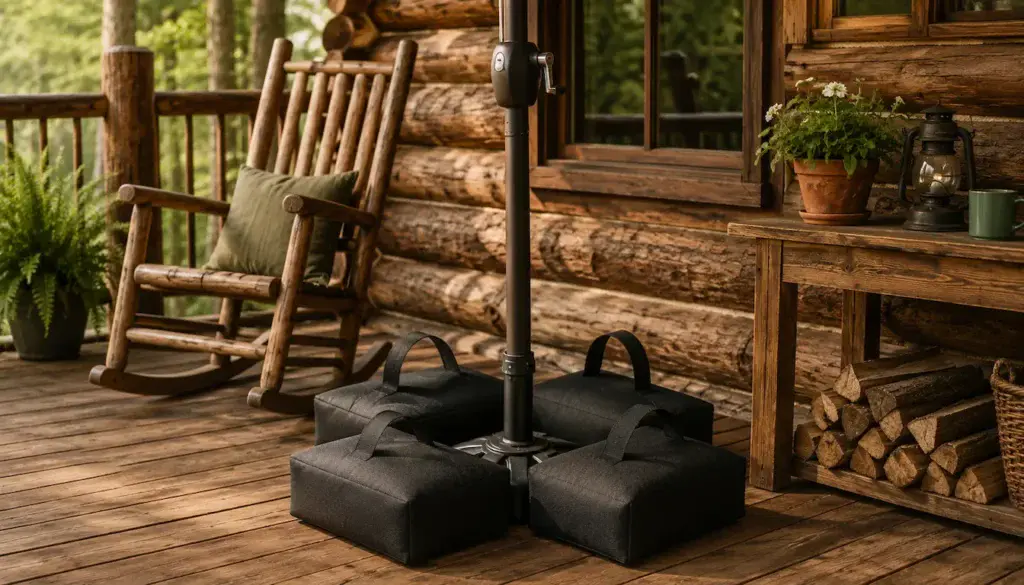
✔ 200-LB Umbrella Base Weights Heavy-Duty Sandbags
The 200-LB Umbrella Base Weights Heavy-Duty Sandbags are an easy solution for stabilizing greenhouses, shelving, patio structures, and other outdoor equipment. Fill them with sand for dependable weight that helps keep your greenhouse firmly in place without permanent anchors.
Why It’s Great
✔ Heavy-duty construction for long-lasting outdoor use
✔ Helps prevent tipping and movement in windy conditions
✔ Easy to fill, carry, and reposition as needed
✔ Great for greenhouses, shelving, umbrellas, and patio equipment
Step 4: Install Shelving and Organize Your Layout
A well-organized greenhouse makes watering, harvesting, and routine maintenance much easier. Place heavier containers on the bottom shelves for stability, while keeping herbs, seedlings, and lightweight plants higher up where they’ll receive plenty of light.
✔ Place the heaviest pots on the lowest shelf
✔ Keep frequently used plants within easy reach
✔ Group plants with similar watering needs together
✔ Leave space for airflow between containers
A thoughtful layout improves plant health, makes maintenance easier, and helps prevent your greenhouse from becoming overcrowded.
Step 5: Add Temperature and Humidity Tools
Monitoring your greenhouse climate helps you catch problems before they affect your plants. A simple thermometer and hygrometer make it easy to keep temperatures and humidity within the ideal range throughout the growing season.
✔ Monitor daily temperature changes
✔ Track humidity to reduce mold and mildew
✔ Adjust ventilation when conditions become too warm
✔ Protect seedlings from heat and cold stress
Checking your greenhouse climate regularly helps create a healthier, more productive growing environment.
TempPro TP50 Digital Hygrometer Indoor Thermometer
Maintaining the right temperature and humidity is one of the easiest ways to keep plants healthy inside a balcony greenhouse. A compact digital thermometer and hygrometer lets you monitor conditions at a glance so you can make adjustments before plants become stressed.🌟 Amazon Product Suggestion:

✔ TempPro TP50 Digital Hygrometer Indoor Thermometer (Greenhouse-Friendly)
The TempPro TP50 Digital Hygrometer Indoor Thermometer displays both temperature and humidity on an easy-to-read screen, making it perfect for greenhouse monitoring. Its compact size allows you to place it anywhere inside your greenhouse for accurate readings throughout the day.
Why It’s Great
✔ Displays both temperature and humidity
✔ Large, easy-to-read digital display
✔ Compact design fits any greenhouse
✔ Helps prevent heat and moisture stress
Step 6: Arrange Your Plants Wisely
Where you place your plants can make a big difference in how well they grow. Group plants with similar light and watering needs together, and make sure every plant has enough room for air to circulate.
✔️ Place sun-loving plants on upper or front shelves
✔️ Keep shade-tolerant plants on lower shelves
✔️ Leave space between pots for better airflow
✔️ Rotate plants occasionally for even growth
Good spacing improves air circulation, reduces disease problems, and helps every plant receive the light it needs.
Step 7: Test the Greenhouse Environment
Before filling your greenhouse, let it run for a few hours and see how the conditions change. This simple test helps you spot temperature, humidity, or airflow issues before they affect your plants.
✔️ Monitor temperature throughout the day
✔️ Check humidity levels
✔️ Make sure fresh air circulates properly
✔️ Adjust vents or plant spacing if needed
A quick test run allows you to fine-tune your greenhouse for healthier, more consistent growing conditions.
Step 8: Maintain a Safe Walking Area
Even the smallest balcony greenhouse should be easy and safe to access. Keeping pathways clear makes watering, harvesting, and routine maintenance much more enjoyable.
✔️ Leave enough room to open greenhouse doors
✔️ Keep walkways free of tools and supplies
✔️ Avoid blocking drains, railings, or exits
✔️ Store watering cans and equipment neatly
A tidy greenhouse is safer to work in and makes routine plant care much easier.
🌿 Ventilation Tips for Balcony Greenhouses
Proper ventilation is one of the most important factors in keeping a balcony greenhouse productive. Without fresh air, temperatures and humidity can rise quickly, increasing the risk of heat stress, mold, and plant diseases.
Open the Cover During Warm Weather
On sunny days, unzip the front panel or roll up the sides as temperatures begin to climb. Even a small amount of fresh air can dramatically reduce heat buildup inside the greenhouse.
✔️ Open the cover during the warmest part of the day
✔️ Close it again as temperatures cool in the evening
A few minutes of ventilation can prevent hours of heat stress.
Use Built-In Vents Whenever Possible
If your greenhouse includes roof or side vents, use them daily during warm weather. Since hot air naturally rises, upper vents help release excess heat while allowing cooler air to enter below.
✔️ Open vents on warm, sunny days
✔️ Close them before overnight temperatures drop
Consistent ventilation creates a healthier growing environment for your plants.
Add a Small Clip-On Fan
A compact clip-on fan improves air circulation throughout the greenhouse, helping eliminate hot spots and reducing excess humidity. Gentle airflow also strengthens plant stems and discourages mold and mildew.
✔️ Keeps air moving evenly
✔️ Reduces humidity buildup
✔️ Helps prevent mold and fungal diseases
✔️ Strengthens young plants over time
A small fan is one of the easiest upgrades you can make for healthier greenhouse conditions.
VIVOSUN AeroWave Greenhouse Fan
Good airflow is essential for preventing heat buildup and reducing excess humidity inside a balcony greenhouse. A compact clip-on fan keeps fresh air moving, helping your plants stay healthier throughout the growing season.🌟 Amazon Product Suggestion:
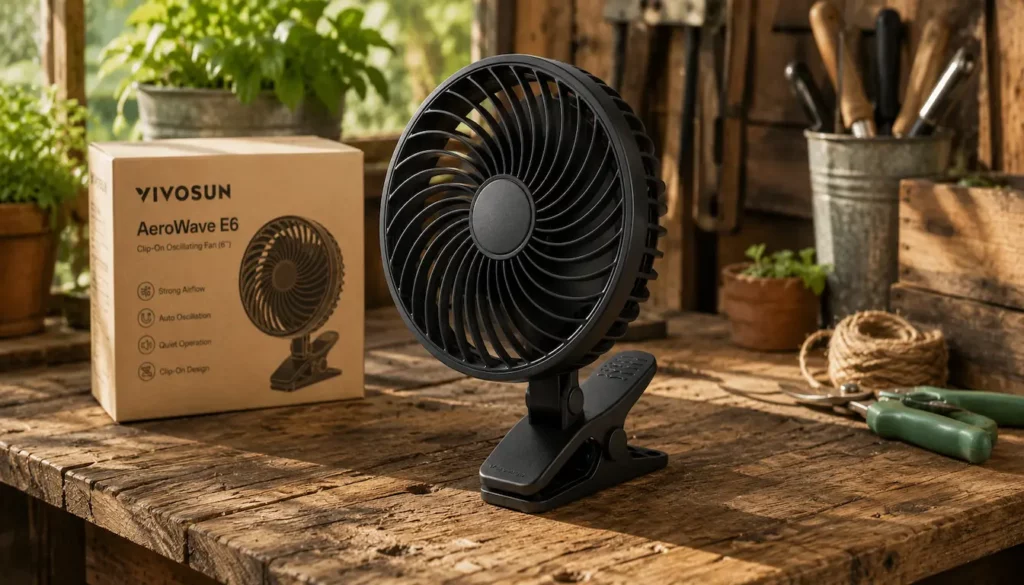
✔ VIVOSUN AeroWave Greenhouse Fan
The VIVOSUN AeroWave Greenhouse Fan delivers quiet, consistent airflow to help regulate temperature and humidity inside compact greenhouses. Its adjustable clip-on design makes it easy to position wherever your plants need better air circulation.
Why It’s Great
✔ Quiet operation won’t disturb your outdoor space
✔ Improves airflow and reduces heat buildup
✔ Helps prevent mold, mildew, and excess humidity
✔ Adjustable clip mounts easily to greenhouse shelving or frames
Keep Plants Spaced Properly
Giving your plants enough room to grow is just as important as providing water and sunlight. Proper spacing improves airflow, reduces excess moisture, and helps prevent fungal diseases from spreading.
✔ Leave space between pots for air circulation
✔ Avoid leaves touching the greenhouse cover
✔ Group plants with similar watering needs
✔ Rotate containers as plants mature
Healthy spacing encourages stronger growth and makes watering, pruning, and harvesting much easier.
Watch for Heat Build-Up on West-Facing Balconies
West-facing balconies receive the hottest afternoon sun, causing greenhouse temperatures to rise quickly — even on mild days. Monitoring conditions and venting early can prevent heat stress before it becomes a problem.
✔ Open vents before peak afternoon heat
✔ Use shade cloth if temperatures climb too high
✔ Run a small circulation fan during hot weather
✔ Check your thermometer regularly throughout the day
A few simple adjustments can keep your greenhouse cool, comfortable, and productive all season long.
👉 Need more advanced airflow strategies? Explore our complete guide to Greenhouse Ventilation for tips on controlling temperature, humidity, and airflow year-round.
🌿 Best Plants for Balcony Greenhouses
One of the biggest advantages of a balcony greenhouse is the ability to extend your growing season and protect plants from changing weather. With the right setup, you can successfully grow a surprising variety of herbs, vegetables, flowers, and seedlings — even in a very small space.
Here are some of the best choices for compact greenhouse gardening:
🌱 Herbs (Perfect for Any Balcony)
Herbs thrive in the warm, sheltered environment of a balcony greenhouse and require very little space. They’re fast-growing, productive, and perfect for beginners.
Great choices:
- Basil
- Parsley
- Thyme
- Mint
- Dill
- Cilantro
- Oregano
Fresh herbs are one of the easiest and most rewarding crops to grow year-round.
🥬 Leafy Greens (Fast Growers)
Leafy greens mature quickly and perform well in cool greenhouse conditions. Many varieties can be harvested multiple times throughout the season.
Popular options:
- Lettuce
- Spinach
- Kale
- Arugula
- Bok choy
Successive planting keeps fresh greens coming for months.
🍅 Compact Vegetables
Many vegetables are available in patio or dwarf varieties that fit perfectly inside balcony greenhouses. With enough sunlight and consistent watering, they produce impressive harvests in containers.
Best picks:
- Cherry tomatoes
- Mini peppers
- Dwarf beans
- Baby cucumbers
- Patio eggplants
Choose compact varieties bred specifically for container gardening.
🥕 Root Vegetables
Many root crops grow surprisingly well in deep containers or grow bags. Just be sure to provide enough soil depth for healthy root development.
Good choices:
- Carrots
- Radishes
- Beets
- Green onions
Deep containers produce straighter, healthier roots.
🌼 Flowers
Flowers add color to your greenhouse while attracting beneficial pollinators when placed outdoors. Many also help improve the overall health of nearby vegetables.
Top choices:
- Marigolds
- Petunias
- Nasturtiums
- Pansies
- Violas
A few flowering plants can make your greenhouse healthier and more beautiful.
🌱 Seedlings & Starter Plants
A balcony greenhouse is one of the best places to start seeds before transplanting them outdoors. The protected environment encourages faster germination and stronger, healthier young plants.
Starting seedlings early gives your garden a valuable head start each growing season.
👉 Tip: Balance your shelves — place herbs and leafy greens higher for better light exposure, and heavier or rooted plants on lower shelves for stability.
VIVOSUN 6-Pack Seed Starter Trays
Starting seeds inside a balcony greenhouse gives your plants a healthier, stronger beginning before they move into larger containers or the garden. A quality seed starter tray creates the warm, humid environment young seedlings need to germinate quickly and evenly.🌟 Amazon Product Suggestion:
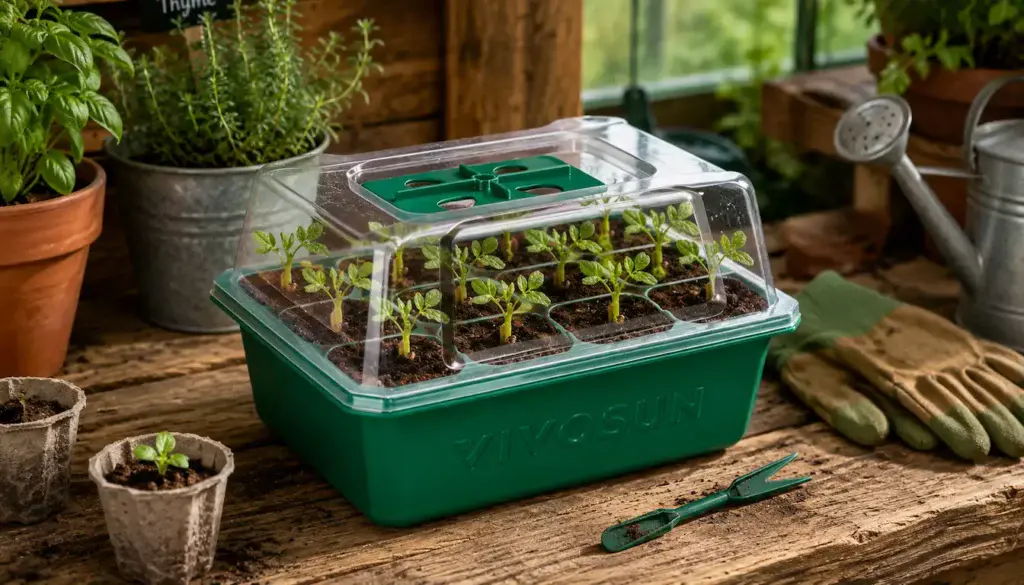
✓ VIVOSUN 6-Pack Seed Starter Trays (Balcony Greenhouse–Friendly)
The VIVOSUN 6-Pack Seed Starter Trays make it easy to start dozens of herbs, vegetables, and flowers in a compact space. Adjustable humidity vents and clear domes help maintain ideal growing conditions while giving seedlings the best possible start.
Why It’s Great
✔ Includes 72 cells for starting multiple plants at once
✔ Clear humidity domes improve germination success
✔ Adjustable vents help regulate moisture and airflow
✔ Perfect for herbs, vegetables, flowers, and seedlings
🌿Maintenance Tips for a Balcony Greenhouse
A few minutes of regular maintenance will keep your balcony greenhouse productive throughout the year. Simple weekly habits can improve plant health, extend the life of your greenhouse, and help prevent small problems from becoming big ones.
Clean the Cover Regularly
Sunlight is your greenhouse’s greatest resource, so keep the cover clean. Dust, pollen, and debris can reduce light levels and encourage mold growth.
✔ Wipe the cover with a soft cloth every few weeks
✔ Clean both the inside and outside when needed
A clean cover lets more sunlight reach your plants.
4 Tier Greenhouse Replacement Cover
A worn or damaged greenhouse cover can reduce insulation, block sunlight, and expose your plants to the elements. Replacing the cover is an affordable way to extend the life of your greenhouse without replacing the entire frame.🌟 Amazon Product Suggestion:
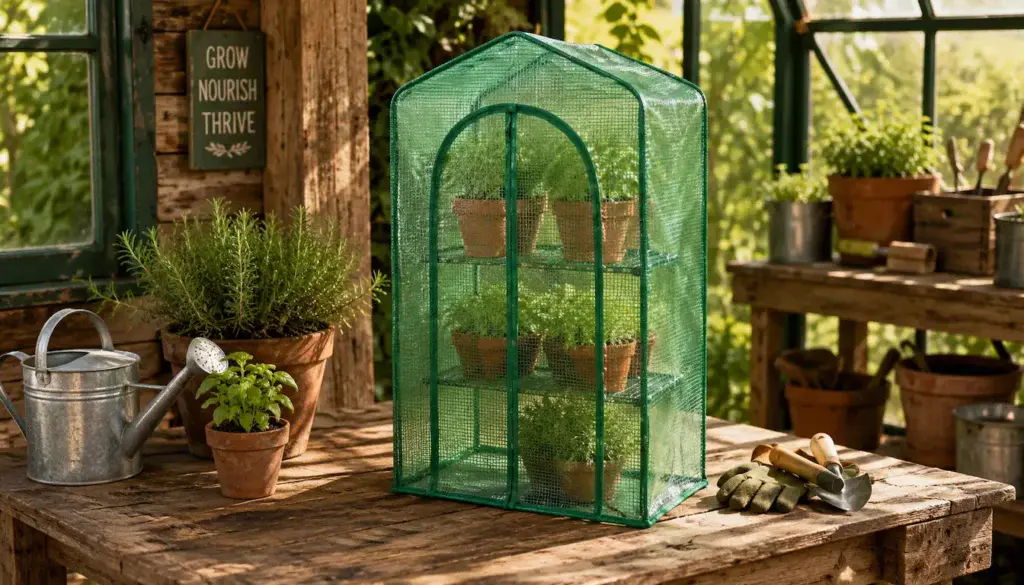
✓ 4-Tier Greenhouse Replacement Cover
The 4-Tier Greenhouse Replacement Cover is designed to refresh compatible four-tier greenhouse frames with a durable PE cover and zippered front door. It helps retain warmth, improve light transmission, and protect plants from wind, rain, and cooler temperatures.
Why It’s Great
✔ Renews an existing 4-tier greenhouse at a low cost
✔ Durable PE cover helps retain heat and moisture
✔ Zippered roll-up door provides easy access and ventilation
✔ Quick, affordable alternative to replacing the entire greenhouse
🍂 Seasonal Adjustments
Your balcony greenhouse will need small changes throughout the year to keep plants healthy and productive. Adapting to the seasons helps maintain ideal growing conditions while protecting your greenhouse from changing weather.
- 🌸 Spring: Increase ventilation as temperatures begin to rise and start new seedlings.
- ☀️ Summer: Use shade cloth, improve airflow, and water more frequently during hot weather.
- 🍁 Fall: Secure the greenhouse against stronger winds and prepare cool-season crops.
- ❄️ Winter: Add insulation, reduce drafts, and move frost-sensitive plants indoors if necessary.
Making seasonal adjustments helps your greenhouse perform its best all year long.
🌿 Related Balcony Greenhouse Guides
Building your greenhouse is only the beginning. These guides will help you choose the right equipment, improve growing conditions, and get the most from your balcony garden.
What To Look For In A Balcony Greenhouse
Not every greenhouse is the right fit for every balcony. Learn how to compare sizes, materials, ventilation, and durability before making your purchase.
👉 Read more: What To Look For In A Balcony Greenhouse
How To Heat, Ventilate, And Light A Balcony Greenhouse
Temperature, airflow, and lighting all work together to keep plants healthy. This guide explains how to create the ideal growing environment throughout the year.
👉 Learn more: How To Heat, Ventilate, And Light A Balcony Greenhouse
Best Balcony Greenhouse Designs For Small Apartments
Explore practical greenhouse styles that work well in apartments, condos, patios, and other compact outdoor spaces. Find the design that best fits your available space and gardening goals.
👉 Explore ideas: Best Balcony Greenhouse Designs For Small Apartments
🏁 Final Thoughts…
Building a balcony greenhouse is one of the smartest ways to turn a small outdoor space into a productive growing area. With the right structure, proper ventilation, and a little routine maintenance, you can enjoy fresh herbs, vegetables, flowers, and seedlings throughout much more of the year.
Whether you choose a simple PVC-covered greenhouse, a durable polycarbonate model, or even build your own, the key is selecting a setup that matches your space and gardening goals. By paying attention to sunlight, airflow, and seasonal care, you’ll create a healthy environment where your plants can thrive.
Even the smallest balcony can produce impressive results when it’s planned well and cared for consistently. Don’t let limited space stop you from growing the garden you’ve always wanted.
A well-designed balcony greenhouse proves that great gardens don’t require a big backyard—just smart planning and a little dedication.
 Continue Your Greenhouse Journey
If you’re ready to take the next step, these guides will help you avoid common mistakes, choose the right tools, and get more from your growing space.
-
Common Small Greenhouse Mistakes to Avoid
Learn which sizing, layout, and airflow mistakes cause the most frustration for new growers—and how to avoid them early. -
Essential Gardening Tools for Small Spaces
A practical breakdown of tools that make daily greenhouse tasks easier, cleaner, and more efficient in compact environments. -
Small Greenhouse Setup Guide
Step-by-step guidance on positioning, airflow planning, and layout decisions that set your greenhouse up for long-term success.
 Turn Small Spaces Into Living Spaces
You don’t need a large backyard to enjoy gardening.
With the right setup, a little planning, and a willingness to learn, even the smallest balcony, patio, or corner can become a productive growing space.
 Plan it. Grow it. Enjoy it!