Starting a vegetable garden doesn’t have to be complicated or overwhelming.
With a little planning and a few smart choices, even beginners can grow fresh,
healthy vegetables at home.
This guide breaks the process down into simple, manageable steps —
from choosing the right location to preparing soil and selecting easy starter plants.
By the end, you’ll know exactly how to get your garden off to a strong start and avoid
common beginner mistakes.

Why Grow Your Own Vegetables?
Growing your own vegetables means enjoying fresher,
better-tasting food than anything from the grocery store.
There’s real satisfaction in harvesting something you grew yourself,
and it’s a relaxing, rewarding way to spend time outdoors.
A home vegetable garden can also help cut grocery costs and reduce packaging waste.
Even a small garden can deliver big benefits.
Step-by-Step: How To Start a Vegetable Garden for Beginners
Here’s a simple, step-by-step approach to help new gardeners get started.
These basics will set you up for a productive and enjoyable first season.
- Pick a Sunny Spot: Most vegetables need at least 6–8 hours of direct sunlight each day. Watch how sunlight moves across your backyard, patio, or balcony and choose the brightest location.
- Decide on Your Garden Type: Choose between in-ground beds, raised beds, or containers. Raised beds and containers are great options if space is limited or your native soil isn’t ideal.
- Plan Your Layout: Sketch a simple layout before planting. Place taller plants toward the north or west and shorter plants to the south or east so everything gets enough light.
- Prepare the Soil: Remove grass and weeds, then loosen the soil at least 8 inches deep. Mix in compost or aged manure to improve nutrients and soil structure.
- Choose Easy Vegetables: Start with reliable, fast-growing crops like lettuce, radishes, bush beans, and zucchini. These are forgiving and build confidence quickly.
- Plant at the Right Time: Learn your local frost dates. Plant cool-season crops early, then wait for warmer temperatures before planting tomatoes, peppers, and squash.
- Water Consistently: Vegetables need steady moisture, especially during early growth and flowering. Water in the morning so leaves dry during the day.
- Mulch and Manage Weeds: Apply straw or shredded leaves to retain moisture and suppress weeds. Pull weeds early before they compete with your plants.
- Feed Your Plants: Most gardens do well with a balanced organic fertilizer. Follow label instructions and avoid over-feeding.
- Harvest Regularly: Pick vegetables when they’re mature to encourage continued production, especially for crops like beans, cucumbers, and squash.
Helpful Tools to Get Your First Vegetable Garden Started
These simple, reliable tools help make everyday garden care easier and more efficient.
From planting and watering to monitoring water quality, each item is designed to support
healthier plants and smoother garden maintenance.
Fiskars Ergo Garden Trowel
The Fiskars Ergo Garden Trowel is a reliable, easy-to-use hand tool for everyday planting and digging.
It’s designed to handle compacted soil while staying comfortable in your hand during longer garden sessions.
 Amazon Product Suggestion:
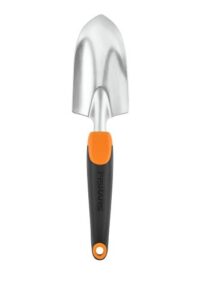
 Fiskars Ergo Garden Trowel
(Cast-Aluminum Hand Tool with Ergonomic Handle)
The Fiskars Ergo Garden Trowel is a lightweight, durable hand tool for digging, planting, and transplanting. Its rust-resistant cast-aluminum blade cuts easily through compacted soil, while the ergonomic SoftGrip handle reduces hand and wrist fatigue. A contoured handle improves control, and the built-in hanging hole makes storage simple—perfect for raised beds, containers, and everyday garden tasks.
Why It’s Great:
✔ Cast-aluminum blade resists rust and cuts smoothly through tough soil
✔ Ergonomic SoftGrip handle reduces hand and wrist fatigue
✔ Contoured design improves leverage and precision
✔ Lightweight, durable, and easy to store with built-in hanging hole
Flexi Hose Expandable Garden Hose
This expandable garden hose is a lightweight, space-saving solution for everyday watering tasks. It expands under pressure, then contracts neatly for easy storage when you’re done.
Amazon Product Suggestion:

Flexi Hose Expandable Garden Hose
(3/4 Inch Solid Brass Fittings)
This expandable garden hose is lightweight, durable, and easy to use,
expanding under water pressure and contracting for compact storage.
With a tough woven exterior, leak-resistant brass fittings, and a multi-pattern spray nozzle,
it delivers reliable, kink-free watering without the bulk of a traditional hose.
Why It’s Great:
✔ Expands and retracts automatically for compact storage
✔ Durable woven exterior resists kinks and tangles
✔ Brass fittings provide a secure, leak-resistant connection
✔ Includes a multi-pattern spray nozzle for versatile use
API Freshwater Master Test Kit
The API Freshwater Master Test Kit makes it easy to check freshwater quality with accurate,
lab-style results. It’s a simple way to monitor key water parameters and catch problems early
before they cause issues.
Amazon Product Suggestion:
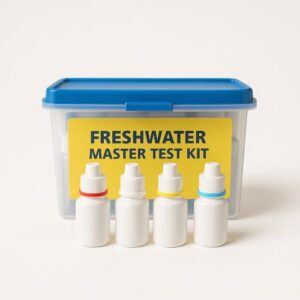
API Freshwater Master Test Kit
(800 Tests)
The API Freshwater Master Test Kit provides accurate, easy-to-use water testing with clear color results. With enough solution for up to 800 tests, it’s a reliable tool for monitoring freshwater quality in ponds, water features, or small hydro setups.
Why It’s Great:
✔ Tests key freshwater parameters including pH, ammonia, nitrite, and nitrate
✔ Includes enough solution for up to 800 tests
✔ Easy-to-read color charts provide clear, reliable results
✔ Helpful for monitoring water quality in gardens, ponds, and hydro setups
👉👉 Once you’ve got the essentials covered, knowing what not to do can save time,
frustration, and disappointing results.
The Most Common Mistake First-Time Gardeners Make
Overcrowding is one of the most common beginner mistakes.
When beds look empty, it’s tempting to plant seeds or seedlings too close together.
But vegetables need space to grow strong roots and healthy foliage.
Crowded plants compete for water and nutrients, restrict airflow, and are more prone to disease and pests. Following the spacing guidelines on seed packets or plant tags leads to healthier plants and better harvests.
The Easiest Vegetables to Grow for Beginners
Radishes are one of the easiest crops for new gardeners and grow incredibly fast.
You can plant seeds and start harvesting in under a month.
Simply sow them directly in the soil, keep them watered, and enjoy quick, crunchy results.
Lettuce, bush beans, and zucchini are also beginner-friendly options that produce well with minimal effort.
What Vegetables Should Not Be Grown in a Raised Bed?
Most vegetables grow well in raised beds, but a few don’t perform as well —
especially when space or depth is limited.
Here are some crops that are usually better grown elsewhere:
- Corn: Needs space for proper pollination and can shade out nearby plants.
- Large vining crops (pumpkins, watermelons): These spread aggressively and
quickly take over small beds. - Perennial vegetables (asparagus, rhubarb): These stay in place for years and are better suited
to permanent garden areas. - Potatoes: They can work in deep raised beds, but need plenty of depth and room for
hilling as they grow.
When space is tight, stick to compact or bush-type vegetables.
Crops that sprawl, grow very deep, or stay in place for years are usually better suited to
containers or traditional in-ground beds.
Things To Consider Before Planting Your First Vegetable Garden
Making a few smart decisions before you plant can save a lot of frustration later.
Here are the key things every beginner should think about:
- Soil Quality: Healthy soil is the foundation of any successful garden.
Adding compost or well-rotted manure improves nutrients, drainage, and root development. - Sunlight: Watch how sunlight moves through your space during the day.
Most vegetables need at least six hours of direct sunlight to produce well. - Water Access: Place your garden where watering is easy.
If hauling hoses feels like a chore, it’ll quickly become one. - Pests: Consider fencing, netting, or baskets to protect plants from animals and birds,
especially in rural or suburban areas. - Garden Size: Start small and manageable. A single 4×8 bed or a couple of 4×4 raised beds
is plenty for a first garden and can still produce a surprising amount of food.
Soil Quality
Healthy vegetables start with healthy soil.
If you’re unsure what you’re working with,
a simple soil test from your local garden center can point you in the right direction.
Heavy clay or very sandy soil often performs better in raised beds filled with quality soil blends,
but compost is key either way —
it improves structure, boosts nutrients, and helps even stubborn soil produce better results.
👉👉 Understanding soil types and soil health early helps new gardeners avoid
common problems like poor growth and waterlogged beds.
Some Advanced Tips and Fun Gardening Hacks
Got the basics down?
Ready to step up your game?
Check out these extra tricks that’ll level up your garden skills and make things easier:
- Companion Planting: Mix flowers like marigolds or herbs such as basil among your
vegetables to help deter pests and attract pollinators. - Succession Planting: As soon as one crop finishes, plant another.
This keeps your garden productive and spreads harvests throughout the season. - Vertical Growing: Use trellises or cages to grow cucumbers, peas, and beans upward
instead of outward — perfect for small spaces. - Start Seeds Indoors: Give warm-season crops like tomatoes and peppers a head start by
starting seeds indoors a few weeks before the last frost. - Compost What You Can: Save vegetable scraps, coffee grounds, eggshells, and leaves for compost. Homemade compost improves soil and reduces waste.
- Use Simple Tools: A trowel, gloves, watering can or hose, and a hand rake are plenty to get started. Add tools later as you learn what you actually need.
- Keep a Garden Journal: Track planting dates, varieties, harvest times, and problems.
It makes planning next season much easier.
🌱 Final Thoughts…
Starting your first vegetable garden doesn’t require perfection — just a willingness to start.
Keep things manageable, focus on the basics, and learn as you go.
Every season teaches you something new, and even small successes build confidence fast. With decent sunlight, healthy soil, and consistent care, you’ll be surprised how quickly your garden begins to reward the effort you put into it.
 Plan it. Grow it. Enjoy it!
 Helpful Resources for Small Greenhouse Success
Planning and maintaining a small greenhouse goes far beyond choosing the right size or layout. Understanding common pitfalls, having the right tools on hand, and setting things up correctly from the start can make a noticeable difference in both plant health and long-term enjoyment.
If you’re continuing your small greenhouse journey,
these guides will help you move forward with confidence:
-
Common Small Greenhouse Mistakes to Avoid
Learn which sizing, layout, and airflow mistakes cause the most frustration for new growers—and how to avoid them early. -
Essential Gardening Tools for Small Spaces
A practical breakdown of tools that make daily greenhouse tasks easier, cleaner, and more efficient in compact environments. -
Small Greenhouse Setup Guide
Step-by-step guidance on positioning, airflow planning, and layout decisions that set your greenhouse up for long-term success.
 Turn Your Gardening Knowledge Into a Simple Online Income
Curious how this site was built?
 Click here to learn more about Wealthy Affiliate.
SmallGardenBox.com started as a simple project built around small-space gardening ideas and greenhouse setups — and it only grew once I learned how to properly build and structure a real website.
If you’ve ever thought about sharing your gardening knowledge, greenhouse experience, or small-space growing tips online, the training at Wealthy Affiliate is what I personally used and recommend.
It walks you through building a website, creating helpful content,
and turning that knowledge into a long-term online asset.
