
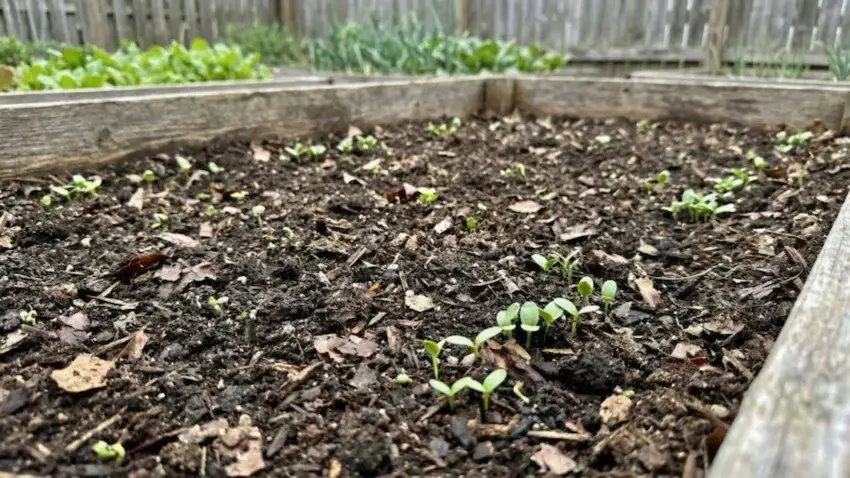
Understanding soil types and improving soil health is one of the most important skills any gardener
can learn. Healthy soil directly affects root development, nutrient absorption, drainage,
and overall plant growth.
Whether you’re growing herbs in containers or managing a full backyard garden,
soil quality determines your success.
Once you understand what kind of soil you’re working with, improving it becomes far easier —
and far more effective.
Understanding the Main Types of Soil
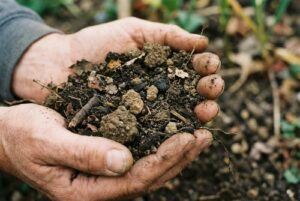
Soil comes in many textures and mixes, but most home gardens fall into five main soil types.
Knowing which type you’re working with makes a big difference when it comes to watering,
feeding plants, and improving overall soil health.
- Sandy Soil: Gritty and fast-draining, sandy soil warms up quickly in spring but doesn’t hold water or nutrients well. It’s easy to work with, but plants may need more frequent watering and feeding.
- Clay Soil: Heavy and sticky when wet, clay soil holds nutrients extremely well—which can be a big advantage. However, it drains slowly and can limit airflow to roots during wet periods.
- Silty Soil: Smooth and soft, silty soil sits between sand and clay. It retains moisture better than sandy soil and is often nutrient-rich, but it compacts easily, which can restrict root growth.
- Peaty Soil: Dark and spongy, peaty soil contains high amounts of organic matter. It holds moisture well but is often acidic, so some plants may struggle unless the soil is balanced.
- Loamy Soil: Loam is the ideal mix of sand, silt, and clay. It’s easy to work, drains well, and holds both water and nutrients efficiently. If you have loamy soil, you’re starting with a major advantage.
To identify your soil type, try a simple hand test.
Grab a handful of moist soil and squeeze it.
Sandy soil falls apart, clay soil sticks together firmly, silt feels silky, and loamy soil forms a loose ball that
breaks apart with light pressure.
This quick test gives you a good idea of what’s happening beneath your feet — no special tools needed.
What Healthy Soil Actually Means
Healthy soil is more than just dirt — it’s alive with activity.
Think of it as an underground city filled with microbes, fungi, worms, and beneficial organisms
all working together.
When soil is healthy, it performs several critical jobs:
- Holds nutrients and water, allowing plants to absorb what they need when they need it.
- Supports strong root systems by maintaining proper structure and airflow.
- Feeds plants naturally through decomposing organic matter and beneficial microbes.
- Breaks down leaves, roots, and garden waste into plant-ready nutrients.
Every action you take in the garden affects soil health.
Digging, planting, watering, and even repeated foot traffic can compact soil and disrupt its structure.
Healthy soil thrives when it’s protected, fed with organic matter, and allowed to breathe.
The Principles of Soil Health (And What NRCS Recommends)
If you want a clear roadmap for building healthier soil, the
USDA’s Natural Resources Conservation Service (NRCS)
outlines a set of proven soil health principles.
Some resources list four core ideas, while others expand them into five.
Both approaches aim for the same goal — keeping soil alive, protected, and productive.
The 5 Principles of Soil Health
- Keep Soil Covered: Using mulch, plants, or cover crops protects soil from erosion,
reduces moisture loss, and adds organic matter over time. - Minimize Soil Disturbance: Avoid excessive tilling or digging.
Less disturbance helps preserve soil structure and supports beneficial organisms underground. - Maximize Plant Diversity: Growing a variety of plants above ground encourages a
more resilient and balanced soil ecosystem below. - Keep Living Roots in the Soil: Roots feed soil life year-round,
even when you’re not actively harvesting. - Integrate Livestock (When Possible): Grazing animals can mimic natural cycles,
though this principle mainly applies to larger gardens or small farms.
The 4 Core Soil Health Principles (NRCS Focus)
- Minimize Disturbance
- Maximize Soil Cover
- Maximize Biodiversity
- Maximize the presence of living roots
For home gardeners, raised beds, and container setups,
focusing on these four core principles makes the biggest impact.
You don’t need acres of land —
just protecting your soil, feeding it organic matter, and letting it stay active
can dramatically improve results in any growing space.
Ways to Step Up Soil Health (That Anyone Can Do)
Improving soil health doesn’t require special gear or a science degree.
These are straightforward steps any gardener can use, even in small spaces.
I’ve used every one of these myself, and the results add up fast.
- Add Organic Matter: Compost is the single best way to improve most soils.
Kitchen scraps, grass clippings, leaf mold, and well-rotted manure feed soil life
and improve structure over time. - Use Mulch: A layer of straw, bark, or grass clippings protects soil from heat,
suppresses weeds, and locks in moisture.
Most gardens show visible improvement within a season or two. - Limit Tilling: Too much tilling disrupts soil structure and damages beneficial organisms.
Dig only where needed for planting or amendments to keep the soil ecosystem intact. - Plant Cover Crops: Fast-growing plants like clover or rye keep soil protected in empty beds.
They reduce weeds, add organic matter, and return nutrients as they break down. - Rotate What You Plant: Growing the same crops year after year drains specific nutrients.
Rotating vegetables, herbs, and flowers helps balance soil health and reduce pests. - Water Wisely: Water deeply but less often, allowing the soil surface to dry between watering.
This encourages deeper roots and stronger, more resilient plants. - Test Your Soil: Simple home soil tests reveal pH and nutrient levels
so you only add what’s actually needed and avoid over-fertilizing.
If you’re dealing with heavy clay, large amounts of compost and leaf mold work better than adding sand. Gypsum can also help improve clay soil over time by loosening its structure and improving drainage, especially in compacted areas.
For sandy soil, focus on increasing organic matter to improve water retention.
No matter where you start, the goal is balance — not perfection.
👉👉 These practices are especially important for raised beds and containers,
where soil structure and drainage directly affect plant health in small greenhouse setups.
Common Soil Challenges and How to Tackle Them
Even with good care, soil problems can still pop up.
Here are some common issues gardeners face —
and simple fixes you can put to work right away:
- Soil Compaction: Hard or puddled soil means it’s packed too tightly.
Loosen it with a garden fork or broadfork,
then add compost to improve structure and let roots breathe. - Acidic or Alkaline Soil: Most plants prefer neutral pH.
Lime can raise soil pH if it’s too acidic, while sulfur or organic mulches
can gently lower soil that’s too alkaline. - Poor Drainage: Soggy soil stresses roots and invites disease.
Adding compost, building raised beds, and avoiding heavy watering late in the day
can help prevent waterlogged areas. - Nutrient Deficiencies: Slow growth or yellowing leaves often point to missing nutrients.
A simple soil test helps identify gaps so you can amend only what’s needed.
Soil improvements take time.
Healthy, living soil rebuilds gradually, not overnight.
Skip quick fixes and heavy chemical fertilizers unless a soil test truly calls for them —
most issues improve with consistent compost, smart watering, and thoughtful planting choices.
👉👉 Many beginner issues — like poor drainage or soil compaction —
stem from soil problems that can be corrected early with better preparation.
Real-World Perks of Good Soil Health
Healthy soil produces stronger, more resilient plants that naturally resist pests and disease.
Gardeners often notice larger harvests, longer bloom times, and fewer problems that require
fertilizers or chemicals.
Living soil absorbs water better during dry spells, drains efficiently after heavy rain,
and supports a wide range of beneficial organisms.
The result is less troubleshooting, healthier plants, and a more productive garden that’s easier —
and more enjoyable — to maintain.
👉👉 Healthy soil also makes different greenhouse growing setups easier to manage by
improving water control, root development, and overall plant resilience.
🌱 Final Thoughts…
Understanding your soil type and knowing what healthy soil looks and feels like gives you a huge advantage in the garden. Small, consistent steps—like adding compost, keeping soil covered, and paying attention to what’s happening below the surface—lead to stronger plants and better results over time. Healthy soil isn’t built overnight, but with a little patience and curiosity, it rewards you year after year with a more productive and enjoyable garden.
 Plan it. Grow it. Enjoy it!
 Helpful Resources for Small Greenhouse Success
Planning and maintaining a small greenhouse goes far beyond choosing the right size or layout. Understanding common pitfalls, having the right tools on hand, and setting things up correctly from the start can make a noticeable difference in both plant health and long-term enjoyment.
If you’re continuing your small greenhouse journey,
these guides will help you move forward with confidence:
-
Common Small Greenhouse Mistakes to Avoid
Learn which sizing, layout, and airflow mistakes cause the most frustration for new growers—and how to avoid them early. -
Essential Gardening Tools for Small Spaces
A practical breakdown of tools that make daily greenhouse tasks easier, cleaner, and more efficient in compact environments. -
Small Greenhouse Setup Guide
Step-by-step guidance on positioning, airflow planning, and layout decisions that set your greenhouse up for long-term success.
 Turn Your Gardening Knowledge Into a Simple Online Income
Curious how this site was built?
 Click here to learn more about Wealthy Affiliate.
SmallGardenBox.com started as a simple project built around small-space gardening ideas and greenhouse setups — and it only grew once I learned how to properly build and structure a real website.
If you’ve ever thought about sharing your gardening knowledge, greenhouse experience, or small-space growing tips online, the training at Wealthy Affiliate is what I personally used and recommend.
It walks you through building a website, creating helpful content,
and turning that knowledge into a long-term online asset.
