How To Set Up A Small Space Greenhouse doesn’t require a big backyard, expensive equipment, or years of gardening experience. Whether you’re working with a patio, balcony, or tight corner of your yard,
a well-planned small greenhouse can dramatically extend your growing season and give you
more control over your plants.
The key is understanding how to make the most of limited space —
choosing the right greenhouse style, placing it correctly, and dialing in light, airflow, and temperature. When those basics are handled, even compact greenhouses can support healthy plants year-round.
In this guide, you’ll learn exactly how to set up a small space greenhouse step by step,
avoid common beginner mistakes, and create a simple, efficient growing environment that
works with your space — not against it.
Small-space gardening starts with smart setup, not more space.
👉👉 Good growing results start below the surface, and understanding soil types and soil health makes container and bed planning far more effective.

🌱 My Small Greenhouse Story
Setting up a small greenhouse in my backyard completely changed how I garden.
I didn’t gain more space — but I gained control over temperature, light, and timing,
which made growing far more predictable.
Even with a compact footprint, a small greenhouse makes it easier to grow herbs, vegetables,
and flowers in places where traditional garden beds aren’t practical.
When the setup matches the space you have, small greenhouses aren’t a compromise —
they’re an advantage.
🌱 Recommended Small Greenhouses to Get Started
These two greenhouse options cover the most common small-space setups.
One works well for patios or balconies, while the other provides a walk-in experience for small yards — both are easy to set up and beginner-friendly.
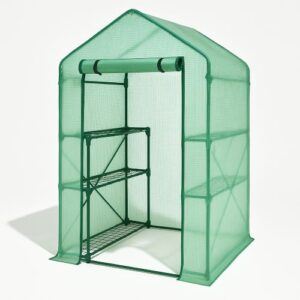
Outsunny 4-Tier Mini Indoor/Outdoor Greenhouse
The Outsunny 4-Tier Mini Greenhouse is ideal for gardeners working with patios, balconies, or very limited yard space. Its vertical shelving design maximizes growing space while keeping plants protected and easy to access.
🌟 Amazon Product Suggestion:
✔ Outsunny 4-Tier Mini Indoor/Outdoor Greenhouse
The Outsunny 5′ × 2.5′ × 6.5′ Mini Walk-In Greenhouse is a great low-cost option for small spaces, patios, or tight backyard corners. It includes three tiers of shelving, a roll-up front door for ventilation, and a weather-resistant PE cover that protects your plants from wind and cold. Lightweight but surprisingly roomy, it’s a solid pick for gardeners building a greenhouse on a budget.
Why It’s Great:
✔ Compact footprint fits porches, balconies, and small patios
✔ 4-tier shelving maximizes vertical growing space
✔ Roll-up door improves airflow and makes plant access easy
✔ Weather-resistant cover helps protect plants from wind and light rain
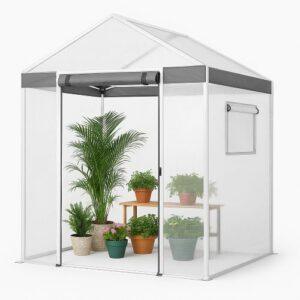
EAGLE PEAK 6×4 Portable Walk-In Greenhouse
The EAGLE PEAK 6×4 Portable Walk-In Greenhouse is a great choice if you want a compact greenhouse that still feels spacious inside. Its sturdy frame and zip-up enclosure make it easy to set up while providing reliable protection for plants in small backyard spaces.
🌟 Amazon Product Suggestion:
✔ EAGLE PEAK 6×4 Portable Walk-In Greenhouse
(Gray/White)
The EAGLE PEAK 6×4 Walk-In Greenhouse is a sturdy, compact option for patios and small yards. Its pop-up frame sets up fast, the clear cover gives plants great light, and the roll-up door and mesh window help control airflow. A solid upgrade from flimsy green mesh models.
Why it’s great:
✔ Fits patios, balconies, and small yard spaces
✔ Fast pop-up setup with minimal assembly
✔ Roll-up door and mesh window improve airflow
✔ Reinforced frame feels stable and well-built
🏡 Getting Your Greenhouse Ready
Once you’ve chosen a greenhouse, the next steps are all about setup.
Where you place it, how it’s assembled, and how you manage airflow and temperature
will have a bigger impact on success than the greenhouse itself.
🌱 Step 1: Choose the Right Location
Before assembling your greenhouse, take a few minutes to choose the best spot.
-
Aim for 6–8 hours of direct sunlight per day
-
Place it on level ground to prevent stress on the frame
-
Use nearby walls, fences, or hedges as wind protection
-
Make sure doors and zippers are easy to open and access
Small greenhouses heat up quickly, so good placement helps prevent temperature swings.
🛠️ Step 2: Assemble Your Greenhouse Properly
Most small greenhouses are designed for simple assembly, but taking your time here pays off.
-
Follow the manufacturer’s instructions step by step
-
Fully seat all frame connections before tightening
-
Secure the cover evenly to avoid sagging or flapping
-
Anchor the greenhouse if recommended, especially in windy areas
A well-assembled greenhouse lasts longer and holds heat more consistently.
🌬️ Step 3: Plan for Ventilation and Airflow
Airflow is critical in small spaces.
Without it, heat and moisture can build up fast.
-
Open doors or vents during warm parts of the day
-
Use mesh windows or roll-up panels when available
-
Avoid overcrowding plants, especially on shelving
-
Watch for condensation buildup on the walls
Good airflow helps prevent mold, mildew, and stressed plants.
🌡️ Step 4: Monitor Temperature and Humidity
You don’t need advanced equipment to manage conditions — just awareness.
-
Check temperatures daily, especially during sunny afternoons
-
Vent early before heat becomes excessive
-
Close doors and vents before temperatures drop at night
-
Adjust plant placement based on heat sensitivity
Small greenhouses respond quickly to weather changes, so small adjustments go a long way.
🌿 Step 5: Start Simple With Plants
Resist the urge to fill every inch right away.
Starting small makes learning easier.
-
Begin with herbs, leafy greens, or seedlings
-
Group plants with similar water and light needs
-
Leave space for air circulation and growth
-
Observe how plants respond before adding more
A lightly filled greenhouse is easier to manage than an overcrowded one.
⚠️ Common Mistakes to Avoid
-
Placing the greenhouse in constant shade
-
Skipping ventilation on warm days
-
Overwatering in a confined space
-
Overloading shelving beyond its weight limit
-
Treating a small greenhouse like an outdoor garden bed
Most issues come from too much enthusiasm, not lack of effort.
🌱 Final Thoughts…
Setting up a small space greenhouse doesn’t have to be complicated.
With the right location, a simple structure, and basic airflow management,
even compact greenhouses can support healthy, productive plants.
Start small, pay attention to conditions, and let your setup evolve as you gain experience.
A small greenhouse isn’t a limitation — it’s a controlled environment that works in your favor.
 Plan it. Grow it. Enjoy it!
 Helpful Resources for Small Greenhouse Success
Planning and maintaining a small greenhouse goes far beyond choosing the right size or layout. Understanding common pitfalls, having the right tools on hand, and setting things up correctly from the start can make a noticeable difference in both plant health and long-term enjoyment.
If you’re continuing your small greenhouse journey,
these guides will help you move forward with confidence:
-
Common Small Greenhouse Mistakes to Avoid
Learn which sizing, layout, and airflow mistakes cause the most frustration for new growers—and how to avoid them early. -
Essential Gardening Tools for Small Spaces
A practical breakdown of tools that make daily greenhouse tasks easier, cleaner, and more efficient in compact environments. -
Small Greenhouse Setup Guide
Step-by-step guidance on positioning, airflow planning, and layout decisions that set your greenhouse up for long-term success.
 Turn Your Gardening Knowledge Into a Simple Online Income
Curious how this site was built?
 Click here to learn more about Wealthy Affiliate.
SmallGardenBox.com started as a simple project built around small-space gardening ideas and greenhouse setups — and it only grew once I learned how to properly build and structure a real website.
If you’ve ever thought about sharing your gardening knowledge, greenhouse experience, or small-space growing tips online, the training at Wealthy Affiliate is what I personally used and recommend.
It walks you through building a website, creating helpful content,
and turning that knowledge into a long-term online asset.
