Seasonal gardening is one of the easiest ways to keep your outdoor space productive
and looking great all year long.
Whether you’re planting in a full backyard garden or a few containers on a patio,
knowing what to plant and when takes the guesswork out of growing.
This guide breaks down seasonal gardening tips month by month,
helps you avoid common planting mistakes,
and answers the questions gardeners ask most as the seasons change.

🌱 Recommended Tools for Seasonal Gardening
Having the right tools on hand makes seasonal planting, maintenance, and troubleshooting much easier. These picks support everything from soil prep and watering to monitoring conditions as the seasons change.
Fiskars SoftGrip Hand Tool Set (3-Piece)
A reliable set of hand tools is essential for planting, weeding, and general garden upkeep
throughout the year. This kit covers the basics without overcomplicating things.
 Amazon Product Suggestion:

 Fiskars SoftGrip Hand Tool Set
(3-Piece)
This Fiskars hand tool set includes a trowel, cultivator, and pruners designed for everyday planting and garden maintenance. With durable steel heads and SoftGrip handles, these tools provide comfort, control, and reliability for seasonal gardening tasks.
Why It’s Great:
✔️ Includes essential tools for planting, weeding, and light pruning
✔️ SoftGrip handles reduce hand fatigue during longer sessions
✔️ Durable steel construction holds up season after season
✔️ Compact and easy to store—perfect for small gardens and containers
ThermoPro TP350 Bluetooth Greenhouse Hygrometer
Temperature and humidity play a huge role in seasonal planting success.
This digital hygrometer helps you keep an eye on growing conditions so you know when to
plant, protect, or adjust watering.
Amazon Product Suggestion:

ThermoPro TP350 Bluetooth Greenhouse Hygrometer
This smart hygrometer tracks temperature and humidity in real time, helping you catch heat spikes and humidity swings before they become a problem. With Bluetooth monitoring up to 260 ft and a large backlit display, it’s easy to check conditions at a glance or from your phone.
Why It’s Great:
Tracks real-time temperature and humidity
Bluetooth monitoring with app alerts for quick checks
Backlit display and recorded highs/lows for easy tuning
Helps prevent mold, heat stress, and poor ventilation
50 ft Expandable Garden Hose
Seasonal gardening often means changing watering routines as plants and weather shift.
A lightweight, expandable hose makes it easier to water efficiently
without dragging around heavy equipment.
 Amazon Product Suggestion:

50 ft Expandable Garden Hose
(Brass Connectors and 10-Function Spray Nozzle)
This 50-ft expandable garden hose stretches under water pressure and contracts for compact, tangle-free storage. Built with a durable woven exterior, flexible inner core, and solid brass fittings, it delivers reliable watering without the weight or bulk of a traditional hose.
Why It’s Great:
✔️ Expands when in use and shrinks down for easy storage
✔️ Heavy-duty brass connectors help prevent leaks
✔️ 10-function spray nozzle handles gentle watering or heavy cleaning
✔️ Lightweight and kink-resistant—ideal for patios, containers, and small gardens
👉👉 Now that you’ve got the right tools in place,
let’s step back and look at the basics of seasonal gardening and how timing affects what you plant.
🌱 Understanding Seasonal Gardening Basics
Seasonal gardening means choosing plants that match the weather and soil conditions at
specific times of the year.
When you plant in sync with the seasons, plants establish faster, grow stronger,
and produce better blooms or harvests.
Most of the time, this comes down to knowing your local frost dates and
paying attention to planting windows on seed packets.
One simple guideline that helps with garden layout is the rule of three.
Grouping plants in odd numbers — like threes or fives — creates a more natural, balanced look than
even-numbered plantings.
This works especially well for flowers, border shrubs, and raised beds.
If you’re refreshing a garden space, planting three of the same plant in a loose triangle
is an easy way to boost visual appeal without overthinking the design.
🗓️ How To Garden with the Seasons
Gardening with the seasons means breaking the year into four main planting windows:
spring, summer, fall, and winter.
Each season has its own weather patterns and ideal crops,
and timing matters more than most gardeners realize.
Because climates vary, checking local frost dates or asking a nearby nursery is always worth the effort.
- Spring: After the last frost, cool-season crops like lettuce, spinach, peas, and brassicas thrive. Early flowers such as pansies and snapdragons also perform well before summer heat kicks in.
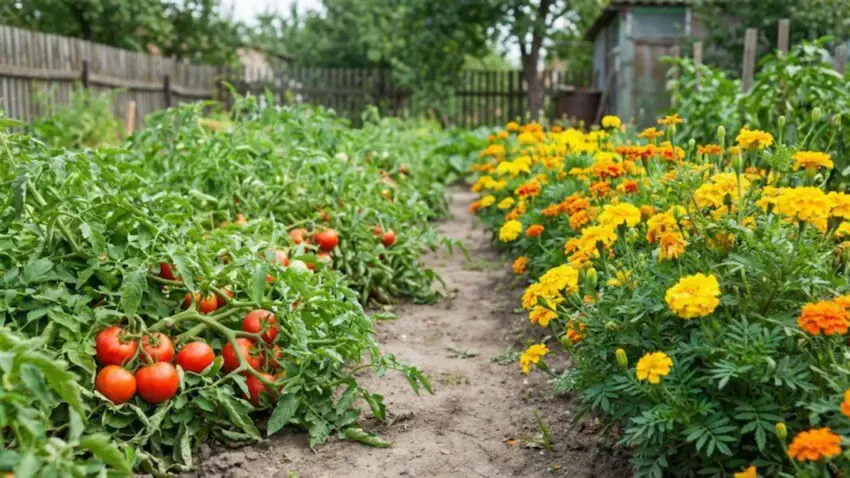
- Summer: Warm soil supports tomatoes, peppers, beans, squash, and heat-loving flowers like zinnias, sunflowers, and marigolds. Consistent watering and mulch help plants handle the heat.
- Fall: As summer crops fade, fall favorites like kale, radishes, and beets take over. Cool-season annuals and mums add color as temperatures drop.
- Winter: In mild climates, garlic, onions, and some leafy greens can grow with protection. Even in colder regions, winter is a good time for soil prep and planting bulbs for spring.
Gardening seasonally comes down to matching plants with temperature, sunlight,
and rainfall throughout the year.
When you plan, plant, and clean up in sync with the seasons,
you’ll deal with fewer problems and get better results overall.
📌 Key Rules That New Gardeners Should Know
There’s a lot of advice floating around in the gardening world,
but a few simple rules consistently make a real difference.
These are the ones I come back to again and again.
The Rule of 3 in Gardening
The rule of 3 is one of the easiest ways to make a garden look more natural and less rigid.
Grouping plants — flowers, vegetables, or small shrub s— in sets of three (or other odd numbers)
creates better balance and visual flow.
Odd-numbered groupings avoid the stiff, overly planned look that even-numbered plantings can create.
When planting along walkways or filling garden beds, trios almost always look best.
The 3-Year Rule in Gardening
The 3-year rule is all about patience.
You’ve probably heard it before:
“First year they sleep, second year they creep, third year they leap.”
Most perennials and shrubs take time to establish before showing their full potential.
Early growth can look slow or underwhelming, but once roots are established, plants often take off.
Keeping this rule in mind helps prevent pulling healthy plants too soon when all they really need is time.
⚠️ Common Mistakes First Time Gardeners Make
Starting a garden can feel overwhelming, and most beginners learn a few lessons the hard way.
One of the most common mistakes is putting plants in the wrong location.
Sun-loving plants struggle in shade, while leafy greens can scorch in full sun.
Checking plant tags or doing a quick lookup before planting saves a lot of frustration.
Another frequent issue is planting too early.
Many seedlings and vegetables need warm soil and steady temperatures to thrive.
A late frost can wipe out young plants overnight, so waiting an extra week or two often makes a big difference. Overwatering is another trap — constantly wet soil can cause root rot and yellowing leaves.
Spacing is also easy to overlook.
Crowded plants compete for nutrients and airflow, making them more vulnerable to pests and disease.
Giving each plant enough room and keeping notes on your garden layout from year to year
helps prevent repeating the same mistakes..
🌼 Seasonal Planting Guide (What Grows Each Season)
Every garden zone has its own quirks, so local extension offices are always a great resource.
That said, this is a simple seasonal planting list I use as a baseline for my own garden.
- Spring: Lettuce, spinach, peas, broccoli, onions, pansies, snapdragons
- Summer: Tomatoes, peppers, beans, zucchini, cucumbers, sunflowers, marigolds
- Fall: Kale, carrots, radishes, beets, asters, fall mums, ornamental kale
- Winter: Garlic, shallots, winter rye, hellebores, evergreens, winter pansies (with protection where needed)
To keep soil healthy, I rotate crops and avoid planting the same plant families in the same spot year after year. Staggering plantings also helps extend harvests so something is always coming up as another crop finishes.
If space is limited, container gardening adds flexibility by letting you move plants to sunnier
or shadier spots as the seasons change.
🛠️ Advanced Tips for Seasonal Success
Once you’ve got the basics down, a few extra techniques can make a big difference throughout the year.
- Layering: Place taller plants at the back, midsize plants in the middle, and groundcovers or herbs up front. This creates fuller beds and naturally reduces weeds.
- Succession planting: Add small batches of seeds every couple of weeks to spread out harvests and keep fresh produce coming instead of getting everything at once.
- Soil health: Refresh beds with compost or leaf mulch each season. Healthy, living soil leads to stronger plants and fewer pest issues. Testing soil every few years helps keep nutrients balanced.
- Protection: Row covers, shade cloth, and mulch help shield plants from temperature swings and pests, especially during unpredictable weather.
If your climate is inconsistent, tools like a simple rain gauge, thermometer,
or weather app can help you decide when to water, protect, or fertilize.
Swapping tips with other gardeners — whether friends or a local club —
often sparks new ideas for handling seasonal challenges.
📝 What To Consider Before Planting (Planning Tips)
Before planting anything new, I always take a quick look at sunlight, soil, and overall layout.
Asking a few basic questions up front helps prevent problems later.
- Sunlight: How many hours of direct sun does each area get?
- Soil: Is the soil sandy, clay-heavy, or somewhere in between?
Does water drain well, or do puddles linger? - Water Access: Can a hose or watering can easily reach every part of the garden?
- Space: Is there enough room for plants to spread and get good airflow?
- Pest and Animal Pressure: Are rabbits, deer, or insects common, and do you have a plan to deal with them?
Thinking through these details ahead of time leads to healthier plants, smoother growing seasons,
and far fewer surprises down the road.
🌱 Final Thoughts…
Seasonal gardening works best when you match plants to the time of year and
pay attention to light, soil, and weather.
Simple habits — like planting at the right time, spacing properly,
and following rules like the rule of 3 and the 3-year rule —
go a long way toward healthier plants and better results.
Whether you’re growing herbs in containers or filling a backyard garden,
tuning in to the seasons keeps gardening productive and enjoyable year after year.
Keep notes, learn as you go, and remember that every season is another chance to grow something worthwhile.
 Plan it. Grow it. Enjoy it!
 Helpful Resources for Small Greenhouse Success
Planning and maintaining a small greenhouse goes far beyond choosing the right size or layout. Understanding common pitfalls, having the right tools on hand, and setting things up correctly from the start can make a noticeable difference in both plant health and long-term enjoyment.
If you’re continuing your small greenhouse journey,
these guides will help you move forward with confidence:
-
Common Small Greenhouse Mistakes to Avoid
Learn which sizing, layout, and airflow mistakes cause the most frustration for new growers—and how to avoid them early. -
Essential Gardening Tools for Small Spaces
A practical breakdown of tools that make daily greenhouse tasks easier, cleaner, and more efficient in compact environments. -
Small Greenhouse Setup Guide
Step-by-step guidance on positioning, airflow planning, and layout decisions that set your greenhouse up for long-term success.
 Turn Your Gardening Knowledge Into a Simple Online Income
Curious how this site was built?
 Click here to learn more about Wealthy Affiliate.
SmallGardenBox.com started as a simple project built around small-space gardening ideas and greenhouse setups — and it only grew once I learned how to properly build and structure a real website.
If you’ve ever thought about sharing your gardening knowledge, greenhouse experience, or small-space growing tips online, the training at Wealthy Affiliate is what I personally used and recommend.
It walks you through building a website, creating helpful content,
and turning that knowledge into a long-term online asset.
