
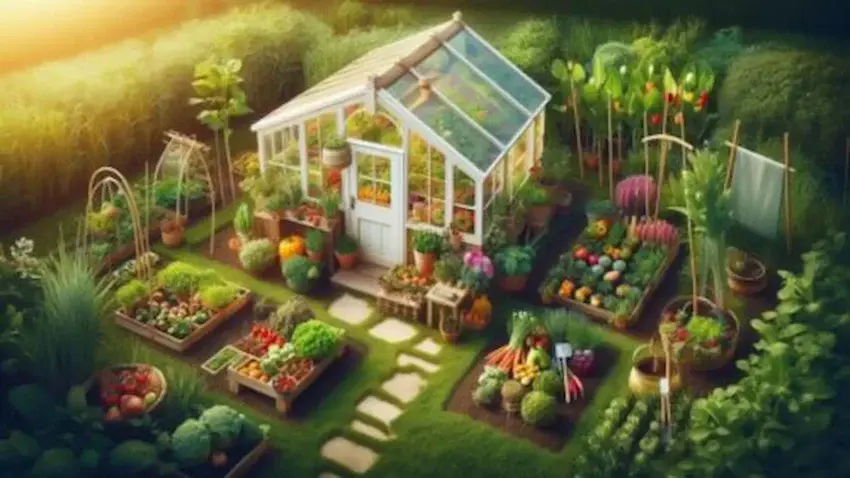
Small greenhouses aren’t just for spring seedlings — they’re the secret to keeping your gardening rhythm alive all year long. Whether winter frost is creeping in or summer heat is pushing plants to their limits,
the right seasonal setup keeps everything thriving.
Each season brings new challenges, but also new opportunities to tweak, protect,
and refresh your mini-garden so it never goes dormant.
From heaters and insulation wraps in January to shade cloths and vent openers in July,
a well-equipped small greenhouse becomes a living system that adapts right along with the weather. With a few smart upgrades and the right gear, you can grow, harvest,
and enjoy fresh produce no matter what’s happening outside your glass or poly panels.
👉👉 Seasonal growing conditions affect soil differently, so understanding
soil types and soil health helps you adjust watering and care as conditions change.

Seasonal Greenhouse Care: What Changes Each Season
🌸 Spring Greenhouse Tips
-
Ventilation starts earlier
-
Seed starting + spacing
-
Watch condensation & mold
☀️ Summer Greenhouse Tips
-
Shade cloths
-
Vent openers
-
Heat stress management
🍂 Fall Greenhouse Tips
-
Transition crops
-
Reduce watering
-
Prep insulation
❄️ Winter Greenhouse Tips
-
Heat retention
-
Cold-hardy crops
-
Condensation control
Helpful Tools for Year-Round Greenhouse Growing
A few smart upgrades can make seasonal greenhouse management easier and more predictable.
These tools help regulate temperature, airflow, and insulation as conditions change throughout the year.
☀️ Optimizing Airflow in Compact Greenhouses
A solar automatic vent opener is a great way to regulate greenhouse temperatures without electricity or manual adjustments. As the greenhouse heats up, it automatically opens the vent to release excess heat and closes it again as temperatures cool.
 Amazon Product Suggestion:

 BIBISTORE Solar Automatic Greenhouse Vent Opener
This heat-activated vent opener automatically lifts your greenhouse window as temperatures rise and closes it again as things cool down — no electricity, batteries, or switches needed. It keeps compact greenhouses from overheating, even on days when you’re not home. Built from durable aluminum with a smooth, reliable opening action.
Why It’s Great:
Opens and closes automatically based on temperature
Prevents overheating in compact or backyard greenhouses
100% solar/thermal powered — no wiring or batteries
Easy DIY installation and consistent airflow for healthier plants
🌤️ winemana Black Shade Cloth
A 40% shade cloth is ideal for reducing intense sunlight while still allowing plenty of airflow through your greenhouse or garden. It helps protect plants from heat stress without creating a dark, overly shaded environment.
Amazon Product Suggestion:
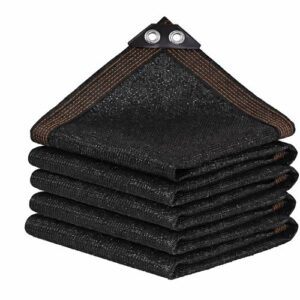
winemana Black Shade Cloth 40%
(8×10 FT Mesh Tarp)
This 40% shade cloth is a simple, affordable way to protect plants, patios, and greenhouse interiors from harsh direct sunlight without blocking airflow. It’s lightweight, easy to install, and versatile enough for seasonal or permanent use.
Why It’s Great:
✔ Blocks 40% of direct sunlight to reduce heat stress
✔ Breathable mesh allows airflow and water penetration
✔ Reinforced grommets for quick, secure installation
✔ Ideal for greenhouses, gardens, patios, and coops
🌞 Bubble Cushioning Wrap Rolls
Bubble cushioning wrap is an easy, low-cost way to add an extra insulation layer inside a greenhouse
or garden structure. When used on walls or glazing, it helps reduce heat loss while still allowing
light to reach your plants.
Amazon Product Suggestion:

Bubble Cushioning Wrap Rolls
When you need reliable protection for shipping fragile items, this bubble cushioning wrap gets the job done without wasting material. The perforated design makes it easy to tear clean sections,
while the included fragile stickers help ensure careful handling during transit.
Why It’s Great:
✔ 3/16″ bubble cushioning protects fragile items
✔ Perforated every 12″ for quick, clean tearing
✔ Two 36-ft rolls provide plenty of wrap
✔ Includes 20 fragile stickers for safer shipping
Common Seasonal Greenhouse Mistakes
-
Leaving vents closed too long in spring
-
Ignoring shade in early summer
-
Overwatering in fall
-
Trapping moisture in winter
🌿 Pro Tip: Greenhouses don’t fail from cold or heat — they fail from sudden changes. Make small seasonal adjustments early instead of reacting too late.
🏁 Final Thoughts…
Seasonal greenhouse success isn’t about having the biggest setup —
it’s about adapting at the right time.
With a few seasonal habits and the right tools,
even a small greenhouse can stay productive all year long.
 Plan it. Grow it. Enjoy it!
 Helpful Resources for Small Greenhouse Success
Planning and maintaining a small greenhouse goes far beyond choosing the right size or layout. Understanding common pitfalls, having the right tools on hand, and setting things up correctly from the start can make a noticeable difference in both plant health and long-term enjoyment.
If you’re continuing your small greenhouse journey,
these guides will help you move forward with confidence:
-
Common Small Greenhouse Mistakes to Avoid
Learn which sizing, layout, and airflow mistakes cause the most frustration for new growers—and how to avoid them early. -
Essential Gardening Tools for Small Spaces
A practical breakdown of tools that make daily greenhouse tasks easier, cleaner, and more efficient in compact environments. -
Small Greenhouse Setup Guide
Step-by-step guidance on positioning, airflow planning, and layout decisions that set your greenhouse up for long-term success.
 Turn Your Gardening Knowledge Into a Simple Online Income
Curious how this site was built?
 Click here to learn more about Wealthy Affiliate.
SmallGardenBox.com started as a simple project built around small-space gardening ideas and greenhouse setups — and it only grew once I learned how to properly build and structure a real website.
If you’ve ever thought about sharing your gardening knowledge, greenhouse experience, or small-space growing tips online, the training at Wealthy Affiliate is what I personally used and recommend.
It walks you through building a website, creating helpful content,
and turning that knowledge into a long-term online asset.
