
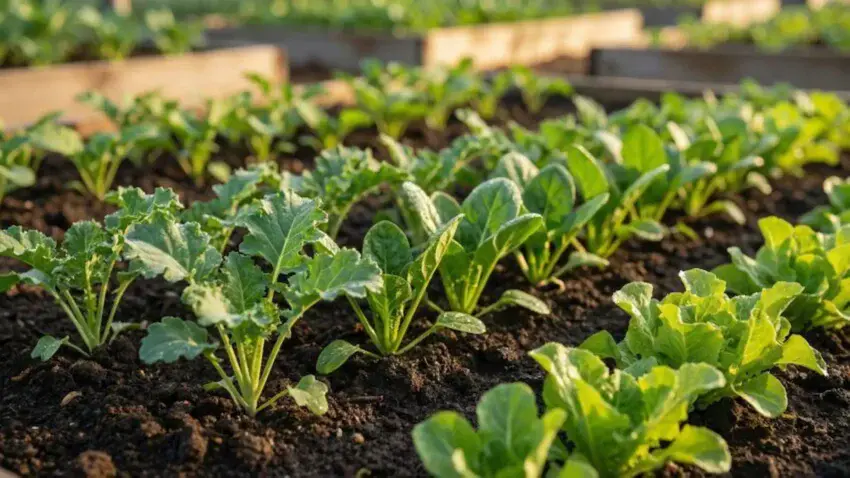
Poor plant growth and low yields can be frustrating, whether you’re growing in a backyard garden
or managing a larger growing space.
When plants fail to thrive despite regular watering and proper planting,
the problem is usually happening below the surface.
Addressing poor plant growth and yield starts with understanding how soil quality, nutrients, light,
and watering practices work together.
Once you identify what’s holding your plants back,
you can make targeted adjustments that lead to healthier growth and stronger harvests.
This guide breaks down the most common causes and how to fix them.

🌿 Helpful Products to Improve Garden Soil Health
Healthy plants start with healthy soil, and the right tools make a big difference.
The products below help you test your soil, feed your plants, and improve soil structure,
giving your garden exactly what it needs to grow stronger and more productive.
Whether you’re fixing nutrient deficiencies, boosting growth, or rebuilding tired soil,
these are simple, proven options to support better results throughout the growing season.
Rapitest Soil Test Kit for Gardens
This easy-to-use soil test kit helps you understand what your garden soil needs before you
add fertilizers or amendments.
By testing pH and key nutrients, it takes the guesswork out of improving plant health and yields.
 Amazon Product Suggestion:
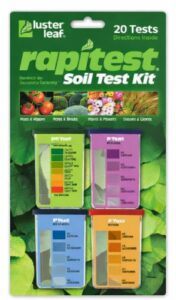
✔ Rapitest Soil Test Kit
(for Gardens)
This easy-to-use soil test kit helps you understand what’s happening below the surface so your garden plants can thrive. It provides quick, reliable readings without sending samples to a lab or waiting for results.
Why it’s great:
✔ Tests soil pH, nitrogen, phosphorus, and potassium
✔ Simple color-matching system—no batteries or electronics
✔ Ideal for vegetable gardens, flower beds, and lawns
✔ Includes 20 tests, making it cost-effective for ongoing use
Miracle-Gro Water Soluble All Purpose Plant Food
This water-soluble plant food delivers nutrients directly to your plants for fast, visible growth. It’s an easy, reliable option for feeding vegetables, flowers, and houseplants throughout the growing season.
Amazon Product Suggestion:

✔ Miracle-Gro Water Soluble
All Purpose Plant Food
This classic water-soluble fertilizer is designed to give plants a fast, noticeable boost without complicated mixing or guesswork. It works for just about everything —
from vegetables and flowers to houseplants, trees, and shrubs.
Why it’s great:
✔ Feeds plants instantly for quick, visible growth
✔ Balanced formula ideal for vegetables, flowers, and houseplants
✔ Easy to mix with a watering can or hose feeder
✔ Helps plants grow bigger and more vibrant with regular use
Brut Cow Compost – Nutrient-Rich Compost
This organic cow compost is a simple way to improve soil health while feeding plants naturally.
It helps enrich tired garden soil, making it ideal for vegetables, flowers, and raised beds.
Amazon Product Suggestion:

✔ Brut Cow Compost – Nutrient-Rich
Composted Cow Manure Organic Soil Amendment
This nutrient-rich cow compost is a natural way to improve soil structure while feeding plants at the same time. Made from 100% composted cow manure, it’s fully broken down, additive-free, and safe for use throughout the garden.
Why it’s great:
✔ Improves soil texture, drainage, and moisture retention
✔ Adds organic nutrients for vegetables, flowers, and lawns
✔ Odor-reduced and easy to mix into existing soil
✔ Organic and gentle—won’t burn plants when used as directed
👉👉 Now that you’ve seen a few helpful tools for improving soil health,
let’s break down why plants struggle to grow in the first place —
and how understanding the root causes can lead to better results in your garden.
🌱 Understanding Why Plants Struggle to Grow
Before jumping into solutions, it helps to understand why plants struggle in the first place.
Poor growth and low yields are rarely caused by a single issue.
In most gardens, several factors work together to limit plant health and productivity.
If you’re noticing slow growth, yellowing leaves, or fewer fruits and vegetables than expected,
one or more of the following problems may be involved:
- Soil health: Weak or compacted soil is one of the most common causes of poor plant performance. Plants need nutrient-rich soil with proper pH levels and enough airflow for roots to breathe.
- Watering habits: Too much or too little water can quickly stress plants.
Soggy soil suffocates roots, while dry conditions prevent plants from absorbing nutrients effectively. - Nutrition: Plants depend on essential nutrients to grow.
Nitrogen, phosphorus, and potassium are critical, but micronutrients also play an important
role in overall plant health. - Light: Proper light exposure matters. Too little sunlight leads to leggy, weak plants,
while excessive direct sun can stress or scorch certain crops. - Pests and diseases: Insects, fungi, and other pathogens can damage plants long before
obvious symptoms appear. - Plant variety: Some plants simply aren’t well suited to certain climates, soil types,
or growing conditions.
Beyond these common issues, factors like soil compaction, chemical overuse, air quality,
and poor planting timing can also limit growth.
Planting too early or too late in the season often exposes crops to temperature swings that
reduce both growth and yield.
🌿 How to Promote Really Healthy Plant Growth
Healthy plant growth comes down to consistent habits and a bit of planning.
No matter where you’re gardening, focusing on the fundamentals makes a noticeable difference
in both plant strength and overall yield.
- Test your soil: A simple home soil test can reveal nutrient deficiencies or pH problems.
Balanced soil is the foundation of healthy roots and steady growth. - Feed your plants: Use compost or slow-release fertilizers to supply nutrients over time.
Adjust the type and feeding schedule based on the crops you’re growing. - Water smartly: Skip rigid watering schedules and check the soil instead.
Water deeply when the surface feels dry — most plants prefer deep soaking over
frequent light watering. - Pick the right spot: Sun-loving plants need at least six hours of direct sunlight each day,
while shade-tolerant plants benefit from protection during intense afternoon heat. - Choose the best varieties: Select disease-resistant plants and varieties that match your
local climate and soil conditions for better long-term success. - Watch for bugs and disease: Regularly inspect plants so you can catch problems early.
Hand-picking pests or using mild, plant-safe sprays can often prevent bigger issues. - Mulch and protect: Mulch helps retain moisture, suppress weeds, and regulate soil temperature,
all of which support stronger, more resilient plants.
Beyond daily care, proper spacing between plants and clean gardening tools help reduce disease spread. Clearing debris at the end of the season also prevents lingering problems the following year.
These simple practices may seem small, but together they play a major role in improving plant health
and yield over time.
📊 What Affects Crop Yield in the Real World?
Every grower wants bigger, better harvests, but crop yield depends on more than just effort.
Some factors are within your control, while others — like weather — aren’t.
Understanding how these elements affect yield helps you make smarter decisions and improve results
where it actually matters.
- Genetic potential: Every plant has a built-in limit to how much it can produce.
No amount of care will turn a low-yield variety into a heavy producer. - Weather: Rainfall, temperature, humidity, and wind all influence yield.
Extended drought, heat waves, or sudden cold snaps can reduce production quickly. - Growing practices: Planting at the right time, using proper spacing, rotating crops,
and controlling weeds all help plants reach their full potential. - Soil type and fertility: Sandy, clay, and loamy soils behave differently.
Soils that retain nutrients and moisture tend to support higher yields,
especially when enriched with organic matter. - Water supply and drainage: Both drought and waterlogged soil stress plants.
Consistent moisture with good drainage is ideal for most crops. - Pest and disease pressure: Insects, fungi, and plant viruses can significantly reduce yields
if problems aren’t addressed early.
Beyond growing conditions, yield is also influenced by timing and handling.
Harvesting at the right stage prevents losses, while careful picking and proper post-harvest handling
help keep produce usable and market-ready longer.
Small improvements in these areas can make a noticeable difference by the end of the season.
🌾 Three Methods for Higher Yields
When it comes to getting more from your garden bed or field,
most yield improvements fall into three core approaches.
Each method plays a different role, but the best results usually come from using them together.
- Cultural practices:
This includes how and when you plant, rotate crops, and manage weeds.
Techniques like raised beds, proper spacing, and drip irrigation improve efficiency,
reduce plant stress and support stronger growth. - Nutritional methods:
Supplying nutrients at the right time helps plants perform at their best.
Compost, manure, slow-release fertilizers, and occasional foliar feeding can correct deficiencies. Mulching also helps by keeping nutrients in the soil and protecting root zones. - Genetic and biological approaches:
Choosing plant varieties bred for higher yields or resistance to local pests improves
results from the start.
Practices such as grafting, using hybrid seeds, and introducing beneficial soil microbes
can further increase plant productivity and resilience.
For best results, combine all three methods rather than relying on fertilizer alone or constantly
changing planting schedules. Experienced growers test new techniques, observe how plants respond,
and adjust based on what works best in their specific growing conditions.
🚀 Practical Ways to Boost Plant Growth and Yield
Even small adjustments can lead to healthier plants and noticeably better harvests.
These are simple, proven practices that consistently make a difference in home gardens
and small growing spaces.
- Start with healthy seedlings: Weak or leggy transplants rarely recover.
Planting strong, healthy seedlings gives crops a solid head start. - Use companion planting: Some plants naturally support each other.
Pairings like tomatoes and basil can improve growth while helping reduce pest pressure. - Rotate crops each season: Changing what you grow in each area helps break pest and disease cycles and keeps soil nutrients in balance.
- Add organic matter regularly: Compost or well-rotted manure improves soil structure,
supports root development, and feeds plants over time. - Thin seedlings when needed: Overcrowded plants compete for light, water, and nutrients.
Giving each plant enough space leads to stronger growth and higher yields. - Prune and train plants: Removing excess growth or training plants on trellises improves
airflow and light penetration, which often results in healthier plants and better production.
Regular observation is just as important as any single technique.
Walking through your garden every few days makes it easier to spot yellowing leaves, pest activity,
or early signs of stress — allowing you to fix problems before they affect growth and yield.
✅ Final Thoughts…
When plants don’t perform the way you expect, it’s easy to feel stuck — but small,
informed changes often make the biggest difference.
Every garden is a little different, so pay attention to results, test new approaches, and adjust as you go.
Simple tweaks like improving soil, adjusting watering, or choosing better-suited plant varieties can turn things around faster than you might expect.
Healthy growth and better yields don’t happen overnight;
they come from understanding your plants and making steady improvements season after season.
Stick with the process, and those healthier plants and stronger harvests will follow.
 Plan it. Grow it. Enjoy it!
 Helpful Resources for Small Greenhouse Success
Planning and maintaining a small greenhouse goes far beyond choosing the right size or layout. Understanding common pitfalls, having the right tools on hand, and setting things up correctly from the start can make a noticeable difference in both plant health and long-term enjoyment.
If you’re continuing your small greenhouse journey,
these guides will help you move forward with confidence:
-
Common Small Greenhouse Mistakes to Avoid
Learn which sizing, layout, and airflow mistakes cause the most frustration for new growers—and how to avoid them early. -
Essential Gardening Tools for Small Spaces
A practical breakdown of tools that make daily greenhouse tasks easier, cleaner, and more efficient in compact environments. -
Small Greenhouse Setup Guide
Step-by-step guidance on positioning, airflow planning, and layout decisions that set your greenhouse up for long-term success.
 Turn Your Gardening Knowledge Into a Simple Online Income
Curious how this site was built?
 Click here to learn more about Wealthy Affiliate.
SmallGardenBox.com started as a simple project built around small-space gardening ideas and greenhouse setups — and it only grew once I learned how to properly build and structure a real website.
If you’ve ever thought about sharing your gardening knowledge, greenhouse experience, or small-space growing tips online, the training at Wealthy Affiliate is what I personally used and recommend.
It walks you through building a website, creating helpful content,
and turning that knowledge into a long-term online asset.
