
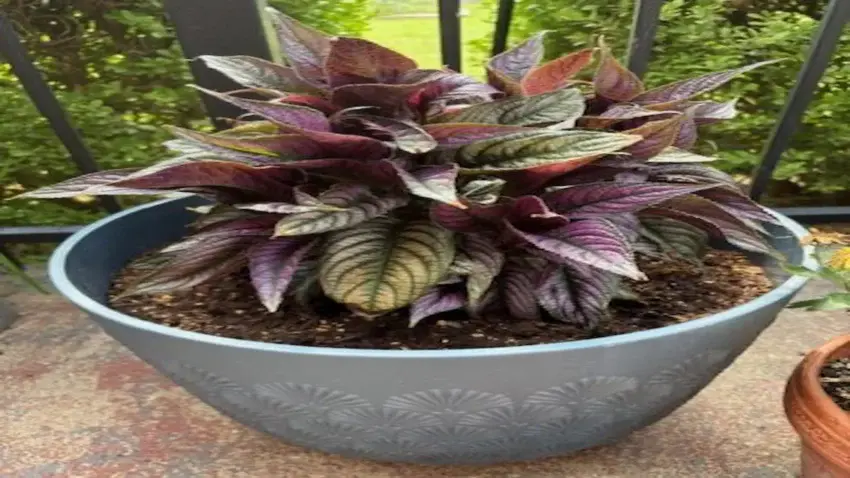
✨ Plant Spotlight On Persian Shields: The Drama Queen lives up to its name. Every garden has its characters: the dependable daisies, the laid-back lavender, the overachieving tomatoes that always do the most… and then there’s the Persian Shield… Oh boy! This plant doesn’t just grow; it performs. It struts. It poses. It’s a full-blown personality. If RuPaul’s Drag Race ever had a botanical edition, this metallic purple diva would sashay away with the crown and land a three-part Netflix documentary.
So buckle up, because this isn’t your average plant spotlight. This is a front-row seat to the life and drama of Strobilanthes dyerianus, the Persian Shield — the plant that makes every other leaf look like it shops at a clearance rack.
Persian Shields can be a bit dramatic sometimes — trust me, I’ve lived through it!
For a funny story about my own adventures with this feisty plant, check out The Drama Queen Known as My Persian Shield.
✨Meet the Diva: What Is a Persian Shield?
Native to Myanmar, the Persian Shield isn’t Persian at all (first plot twist of many). But who cares about geography when you’re this fabulous? With iridescent leaves glowing in vivid purple, electric violet, and flashes of silver and green, this plant looks like it moonlights at rock concerts and brunches in a Paris café.
Technically, it’s a tropical perennial — but Persian Shields act like annuals in colder climates because of course they don’t do cold. They’re too sophisticated for frost.
Honestly, they’d rather keel over than deal with it. Can’t blame them — I don’t do cold either.
✨ Why Gardeners Love It (and Also Why It’s a Little Exhausting)
Let’s be honest. We all fall for Persian Shields the moment we see them. That shimmer! That shine! That whole “I woke up like this” vibe. They’re the kind of plant that stops people in their tracks during a greenhouse stroll.
But here’s the kicker: once you bring this botanical Beyoncé home, get ready to work around its mood swings.
-
Needs bright indirect light: Too much sun? It wilts like it’s in a fainting scene from a Victorian novel. Not enough sun? The color fades like a washed-out pair of jeans from 2007.
-
Needs consistent watering: Underwater it and it pouts. Overwater it and it throws a tantrum (read: root rot).
-
Needs humidity: Persian Shields didn’t come to your dry, air-conditioned house to suffer. No ma’am. You want that purple to pop? Break out the humidifier or mist it daily like you’re giving it spa treatments.
Basically, it wants what it wants, when it wants it. It’s the Mariah Carey of foliage.
✨ Placement: Center Stage, Please…
You can’t just tuck a Persian Shield into the back of the garden bed and expect it to be okay with that.
No, ma’am.
This plant expects front-and-center positioning. In containers on a shaded patio? Glorious. Along the border of a tropical bed? Show-stopping. In a solo pot on your coffee table? Full diva behavior, but we respect it.
It’s the botanical equivalent of “look at me, I’m gorgeous”—and honestly, it’s right.
✨ Companion Plants? Only If They Complement Her.
Persian Shields do play well with others—as long as everyone understands who’s in charge. Pair her with plants that won’t compete for the spotlight but will highlight those purples like a flattering Instagram filter. Think:
-
Silver Dust (Dusty Miller)
-
Coleus (the quieter cousin who also loves a pop of color)
-
Ferns (lush and green, but not flashy)
-
Caladiums (okay, they might fight over mirror space, but the drama could be worth it)
Avoid pairing with anything dull or drab. That’s like putting a sequin gown next to a pair of sweatpants. Persian Shield will NOT stand for it.
✨ Encouraging Blooms? Good Luck, Darling.
Here’s the thing — yes, technically Persian Shields bloom. They produce little bluish flowers, usually in late fall or early winter. But if we’re being honest? The leaves are the star. The flowers are a cameo from a minor character no one really asked for.
Sometimes the blooms even make the plant look a little… scraggly.
If that happens, feel free to trim them off.
Persian Shield won’t mind.
In fact, she’ll probably thank you with even more fabulous foliage.
✨ Overwintering Without the Drama
Unless you live in a humid jungle or southern Florida, your Persian Shield is going to struggle when the cold hits. Like we said — frost?
She doesn’t like it… at all!
To keep her alive over winter:
-
Pot her up and bring her indoors like the royal guest she is.
-
Give her a sunny, humid window.
-
Ignore the inevitable leaf drop and pretend she’s just “resetting for the next season.”
Or, you know, take cuttings in the fall, root them in water, and start fresh next spring.
Think of it as rebooting the franchise with a new cast — same sparkle, new growth.
🌿 My First Experience With Persian Shield
This was my very first Persian Shield plant.
I spotted her at Home Depot and couldn’t get past the colors in those leaves —
they didn’t look real.
I had to bring her home…
well, her and her sister.
Yes, I bought two.
Don’t judge me!
I truly enjoyed them all spring and most of the summer.
Toward the end of the season, though, the colors in their leaves began to fade,
and I could tell they were starting to struggle.
I even tried propagating them, but the cuttings were just as stubborn as the parent plants.
I did the best I could with them.
Even though they didn’t make it, I genuinely enjoyed the experience —
and I learned a lot along the way.
That doesn’t mean Persian Shield is hard to propagate — it just means timing and conditions matter.
✨ Propagation: She’s Not Stingy With Stardom
Here’s some rare, good news: Persian Shields are very easy to propagate.
Take a stem cutting, strip the lower leaves, pop it in water or moist soil, and boom —
mini divas in the making.
They root so fast, you’ll feel like a wizard.
Your only problem will be deciding where to put them all.
👍 (Hint: everywhere. The answer is everywhere.)
🌿 Where to Buy Persian Shield Plants
Persian Shield plants are widely available online, making them an easy pickup if you want bold,
dramatic foliage without starting from seed.
Amazon sellers typically ship healthy, well-rooted plants that are ready to pot up or
enjoy right out of the box.

Persian Shield Plant (Strobilanthes dyerianus)
The Persian Shield Plant is a true showstopper, known for its deep purple, iridescent foliage that instantly adds color and contrast to any indoor or outdoor space.
This 3-plant starter set makes it easy to create a lush, vibrant display right out of the box.
 Amazon Product Suggestion:
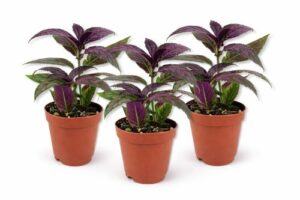
✓ Persian Shield Plant
(3 Live Starter Plants)
These live starter plants feature striking metallic purple leaves with green undertones and a soft sheen that catches the light. Easy to care for and fast growing, Persian Shield thrives in bright, indirect light and brings a bold tropical look to containers, patios, or houseplant collections.
Why It’s Great:
✔ Stunning purple, iridescent foliage that stands out in any setting
✔ Easy-care tropical plant, great for beginners
✔ Grows well indoors or outdoors in warm climates
✔ 3-plant set creates a fuller, more impactful display fast
⚠️ What Helps Persian Shield Thrive (Especially Indoors)
If you plan to grow Persian Shield indoors or overwinter it, a few simple tools can make a big difference.
VIPARSPECTRA P700 LED Grow Light
When growing Persian Shield indoors, light is one of the biggest factors in keeping those leaves vibrant.
A quality grow light helps prevent color fade and keeps the plant healthy through shorter days.
Amazon Product Suggestion:
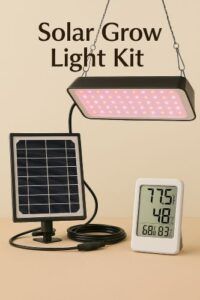
 VIPARSPECTRA P700 LED Grow Light
(13″ × 7.9″)
If you plan to grow Persian Shield indoors or help it through the winter, a quality grow light makes a noticeable difference. The VIPARSPECTRA P700 LED Grow Light provides bright, even coverage that helps maintain leaf color and prevents that washed-out look caused by low indoor light.
Why It’s Great:
✔️ Full-spectrum LED light that supports strong foliage growth
✔️ Compact size works well for single plants or small setups
✔️ Helps reduce color fading during shorter winter days
✔️ Energy-efficient and easy to position over containers
Govee Bluetooth Hygrometer Thermometer
Persian Shield is quick to show stress when temperature or humidity drifts out of its comfort zone.
A small hygrometer lets you spot problems early, before faded leaves or drooping set in.
Amazon Product Suggestion:

Govee Bluetooth Hygrometer Thermometer
The Govee Bluetooth Hygrometer Thermometer makes it easy to monitor temperature and humidity inside your mini greenhouse. With real-time readings sent straight to your phone, you can quickly spot changes and make adjustments before plants are affected.
Why It’s Great:
Bluetooth app monitoring – Check temperature and humidity from your phone
Accurate real-time readings – Helps prevent overheating, mold, or dry conditions
Compact & wireless design – Fits easily on shelves or hanging inside small spaces
Data tracking & alerts – View trends and set alerts to stay ahead of problems
🌱 Want to Get Better at Growing Plants Like This?
Growing plants like Persian Shield gets easier when you understand light, watering, and container basics. Structured gardening education helped me connect the dots faster than trial and error alone.
✨ Final Thoughts: Is She Worth It?
Absolutely — and she knows it.
Persian Shields are dramatic, demanding, and fully convinced they belong in a palace.
But give them what they want, and they’ll turn any garden corner into a runway.
- Purple.
- Metallic.
- Extra.
- Born for the spotlight.
If you love gorgeous foliage and a little bit of chaos,
this plant will treat you better than half the people you know.
Just don’t get mad when your other plants start picking fights for attention.
Divas cause drama. It’s literally their job.
🌸 **Conclusion:
Ready to roll out the red carpet? Because the Persian Shield is absolutely ready to walk it. Patio pot? Center stage. Indoor greenhouse? Private dressing room. Daily misting? She expects nothing less.
If you want a good laugh at my expense, check out: The Drama Queen Known As My Persian Shield.
It’s equal parts comedy and horticultural trauma.
And if she’s moving into your greenhouse, make sure you’ve:
- picked the right size,
- stocked up on essential tools,
- and figured out how to ventilate properly
— because this queen will not tolerate stale air or bad lighting.
And for bonus points?
Set her up in one of those sleek indoor herb micro-greenhouses —
just make sure she’s the star of the show.
She’ll thank you… with sass.
 Plan it. Grow it. Enjoy it!
 Helpful Resources for Small Greenhouse Success
Planning and maintaining a small greenhouse goes far beyond choosing the right size or layout. Understanding common pitfalls, having the right tools on hand, and setting things up correctly from the start can make a noticeable difference in both plant health and long-term enjoyment.
If you’re continuing your small greenhouse journey,
these guides will help you move forward with confidence:
-
Common Small Greenhouse Mistakes to Avoid
Learn which sizing, layout, and airflow mistakes cause the most frustration for new growers—and how to avoid them early. -
Essential Gardening Tools for Small Spaces
A practical breakdown of tools that make daily greenhouse tasks easier, cleaner, and more efficient in compact environments. -
Small Greenhouse Setup Guide
Step-by-step guidance on positioning, airflow planning, and layout decisions that set your greenhouse up for long-term success.
 Turn Your Gardening Knowledge Into a Simple Online Income
Curious how this site was built?
 Click here to learn more about Wealthy Affiliate.
SmallGardenBox.com started as a simple project built around small-space gardening ideas and greenhouse setups — and it only grew once I learned how to properly build and structure a real website.
If you’ve ever thought about sharing your gardening knowledge, greenhouse experience, or small-space growing tips online, the training at Wealthy Affiliate is what I personally used and recommend.
It walks you through building a website, creating helpful content,
and turning that knowledge into a long-term online asset.
