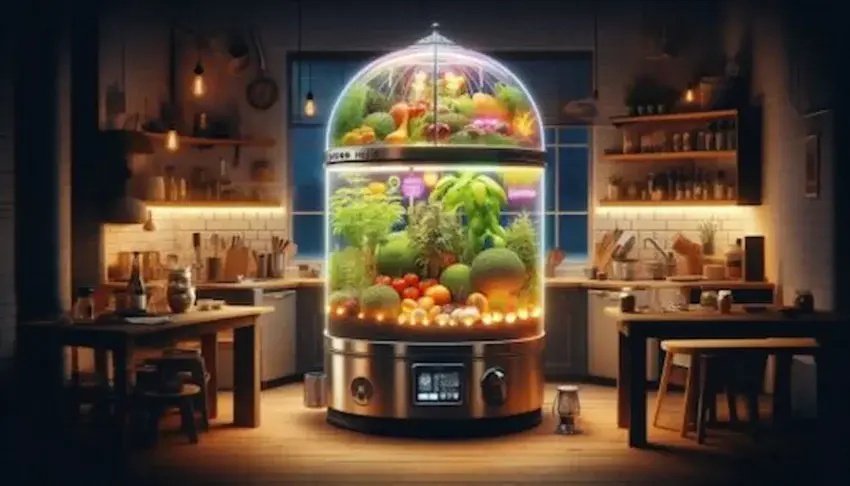
When it comes to building a LED-phase Lighting Hermetic Herb Greenhouse for Kitchens, the secret to real indoor herb success always starts with the lighting. Most kitchen gardens fail because standard bulbs don’t deliver the precise spectrum or intensity your herbs need to thrive indoors. LED-phase systems fix that instantly — giving your plants the exact wavelengths they respond to in nature.
This isn’t just “extra light.” LED-phase grow lighting is basically precision sunlight — it unlocks better germination, stronger stems, deeper color, and richer flavor, all while using less energy than old-school fluorescents or generic LEDs. It’s the closest thing to bottling sunlight and putting it right on your countertop.
Why not just use fluorescent or standard LED bulbs?
And here’s why regular bulbs can’t compete…
Regular bulbs just aren’t designed for plant growth. LED-phase systems are built specifically for:
-
Precision: Each phase of light matches a plant growth stage
-
Efficiency: High output without heating the room
-
Control: Adjust color, timing, and intensity to your exact needs
-
Longevity: Years of runtime with almost no upkeep
With LED-phase lighting, your compact, sealed greenhouse becomes a smart mini-farm that produces fresh herbs year-round — no windows, no sunlight, no outdoor space required.
🌱 How LED-Phase Lighting Actually Works (Simple Breakdown)
LED-phase lighting isn’t just “bright grow light.” It guides your herbs through specific wavelength cycles that mimic natural sunlight — only faster, cleaner, and far more controlled.
Here’s how each phase works inside a fully enclosed countertop greenhouse:
🌱 1. Germination Phase (Soft Blue Spectrum)
This first phase gives your seeds:
-
gentle, cool-blue wavelengths
-
low-intensity, low-heat output
-
moisture-retaining conditions
It tells the seeds: “Time to wake up.”
Blue light triggers early root development, strong cell formation, and prevents fragile seedlings from getting leggy.
🌿 2. Early Growth Phase (Balanced Blue + White Spectrum)
Once sprouts appear, the system automatically shifts to a brighter mixed spectrum.
This mixed spectrum gives young herbs the balanced light they need for fast, healthy development.
This phase boosts:
-
leaf production
-
chlorophyll concentration
-
compact, bushy growth
This is where basil, cilantro, dill, and parsley really take off.
🌞 3. Leaf Boost / Veg Phase (High Blue + Moderate Red)
Here’s where LED-phase units leave normal LEDs in the dust.
This spectrum combo focuses on building dense, flavorful leaves fast.
This cycle gives your herbs:
-
deeper green color
-
thicker stems
-
accelerated leaf growth
-
higher oil content (better flavor!)
Great for leafy herbs you harvest repeatedly — especially basil and mint.
🔥 4. Flavor & Color Enhancement Phase (Red-Dominant Spectrum)
The final light cycle replicates late-afternoon sunlight.
It increases:
-
essential oil production
-
flavor intensity
-
aroma strength
-
leaf pigmentation
Herbs get pepperier, sweeter, or more aromatic, depending on the plant.
This phase is basically a “chef boost.”
🎯 Why It Matters
Indoor herbs struggle because the environment is inconsistent. These small spectrum changes make a huge difference indoors because herbs aren’t fighting:
-
weak window light
-
inconsistent sun
-
cloudy days
-
seasonal changes
LED-phase systems remove all environmental randomness — giving you chef-quality herbs year-round in a 100% controlled greenhouse.


The Spectrum of Success: Optimal Light Colors for Herb Growth
Light color matters more than most people realize when growing herbs indoors. Plants don’t see light the way humans do — they respond to specific slices of the spectrum, especially blue and red wavelengths. Getting these right can dramatically improve growth, strength, flavor, and overall plant health.
Blue light = strong, leafy growth
Blue wavelengths drive root development, compact growth, and dense leaf production. This is the kind of light that makes basil bushier, mint fuller, and parsley vibrant. If your herbs look healthy and lush, blue light is doing the heavy lifting.
Red light = flowering and aroma production
Red wavelengths trigger flowering, budding, and fruiting processes. While most culinary herbs don’t rely on heavy flowering, herbs like chives, rosemary, and oregano respond well to a little extra red light — boosting aroma and overall vigor.
Color temperature matters indoors
For greenhouse-style indoor growing, aim for a neutral white light between 5000–6500 Kelvin. This mimics bright midday sun, which is ideal for photosynthesis and balanced plant development. It ensures your herbs get light that feels “natural” even if your kitchen has no windows.
Custom-spectrum LEDs give you total control
Many LED grow lights now come with adjustable spectrum knobs or app-based controls, letting you fine-tune the mix of blue and red light for different stages:
Seedlings → more blue
Growth phase → balanced blue/red
Mature herbs → slightly more red for intensity in flavor and oils
Fine-tuning the spectrum helps you get the exact growth style you want.
Dialing in light color boosts flavor and aroma
Here’s the part most people overlook: tuning your light spectrum affects taste. When you adjust colors correctly, herbs develop stronger essential oils, deeper aromas, and richer flavors.
Whether you’re growing basil for pesto, cilantro for salsa, or thyme for tea, spectrum control brings out the best in every leaf.
🌿 Final Thoughts…
An LED-powered hermetic herb greenhouse brings smart growing technology right into your kitchen, making year-round herb production clean, efficient, and surprisingly easy.
Whether you’re snipping basil for pasta night or mint for your morning tea, having fresh,
vibrant herbs just steps away is a true game-changer.
To get the most from your setup, focus on using the right accessories and maintaining a balanced growing environment. Proper lighting, airflow, and routine care all play a big role in keeping
small indoor greenhouses productive and reliable.
If counter space is limited, combining your greenhouse with compact, space-saving growing solutions can help you expand without cluttering your kitchen.
And when you’re ready to scale up, more advanced indoor growing systems offer a powerful way to increase variety and freshness — even in tight urban spaces.
With thoughtful planning and the right setup, indoor herb growing can be both effortless and incredibly rewarding.
 Plan it. Grow it. Enjoy it!
 Helpful Resources for Small Greenhouse Success
Planning and maintaining a small greenhouse goes far beyond choosing the right size or layout. Understanding common pitfalls, having the right tools on hand, and setting things up correctly from the start can make a noticeable difference in both plant health and long-term enjoyment.
If you’re continuing your small greenhouse journey,
these guides will help you move forward with confidence:
-
Common Small Greenhouse Mistakes to Avoid
Learn which sizing, layout, and airflow mistakes cause the most frustration for new growers—and how to avoid them early. -
Essential Gardening Tools for Small Spaces
A practical breakdown of tools that make daily greenhouse tasks easier, cleaner, and more efficient in compact environments. -
Small Greenhouse Setup Guide
Step-by-step guidance on positioning, airflow planning, and layout decisions that set your greenhouse up for long-term success.
 Turn Your Gardening Knowledge Into a Simple Online Income
Curious how this site was built?
 Click here to learn more about Wealthy Affiliate.
SmallGardenBox.com started as a simple project built around small-space gardening ideas and greenhouse setups — and it only grew once I learned how to properly build and structure a real website.
If you’ve ever thought about sharing your gardening knowledge, greenhouse experience, or small-space growing tips online, the training at Wealthy Affiliate is what I personally used and recommend.
It walks you through building a website, creating helpful content,
and turning that knowledge into a long-term online asset.
