
Plant diseases are one of those things I’ve dealt with far more than I ever expected when I first started gardening. One day everything looks fine—then suddenly leaves are spotted, wilted, or coated in powder.
Identifying and Treating Common Plant Diseases is essential because learning how to spot issues early can save entire flowerbeds or vegetable patches. This all-in-one guide breaks down how to recognize, treat, and even prevent common plant diseases using simple, practical steps—so you can get back outside and help your plants thrive.

Helpful Products for Treating Plant Diseases
When plant disease shows up, having the right tools on hand makes treatment faster and more effective. These products support the same simple, practical steps covered in this guide —
helping you treat problems early and prevent them from spreading.
Bonide Captain Jack’s Neem Oil
Neem oil is a gentle, multi-purpose treatment that helps control both plant diseases and
common garden pests. It’s often one of the first options gardeners reach for when problems show up.
 Amazon Product Suggestion:
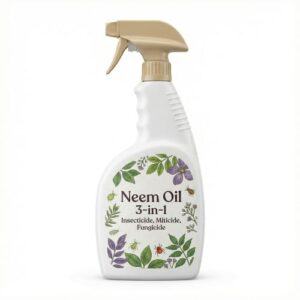
 Bonide Captain Jack’s Neem Oil
This ready-to-use neem oil spray is a simple, effective option for treating common garden pests and fungal diseases. It works as a fungicide, insecticide, and miticide, making it a versatile first-line treatment for many plant problems.
Why It’s Great:
✔ Controls fungal diseases like powdery mildew and leaf spot
✔ Helps manage aphids, mites, and other common pests
✔ Ready-to-use formula — no mixing required
✔ Safe for use on vegetables, flowers, and houseplants when used as directed
Bonide Captain Jack’s Copper Fungicide
When plant diseases start spreading, a stronger treatment is sometimes needed.
Copper fungicide is a trusted option for controlling many common fungal and bacterial issues.
Amazon Product Suggestion:

Bonide Captain Jack’s Copper Fungicide
This ready-to-use copper fungicide is a reliable option for treating stubborn plant diseases when basic prevention isn’t enough. It’s designed to control common fungal and bacterial issues without complicated mixing or guesswork.
Why It’s Great:
✔ Helps control common diseases like blight, leaf spot, and powdery mildew
✔ Copper-based formula works well for bacterial infections
✔ Ready-to-use spray — no mixing required
✔ Safe for vegetables, fruits, and ornamentals when used as directed
Fiskars Bypass Pruning Shears
Good tools make dealing with plant disease easier and more effective.
Clean cuts and proper sanitation help stop problems from spreading.
Amazon Product Suggestion:
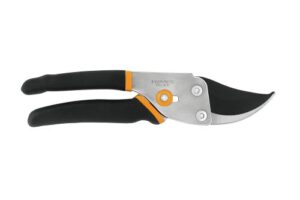
Fiskars Bypass Pruning Shears
(5/8-Inch Garden Clippers with Sharp Steel Blade)
The Fiskars Bypass Pruning Shears deliver clean, precise cuts that help plants heal faster. The hardened steel blade stays sharp, while the ergonomic, non-slip handles reduce hand strain during regular pruning.
A built-in safety lock keeps storage safe and simple, making these shears ideal for trimming stems,
shrubs, perennials, and everyday garden maintenance.
Why It’s Great:
✔ Makes clean, precise cuts that help plants heal faster
✔ Hardened steel blade stays sharp through heavy use
✔ Ergonomic, non-slip handles reduce hand fatigue
✔ Built-in safety lock allows safe, easy storage
6 Pairs Breathable Gardening Gloves
Keeping your hands clean is an easy way to reduce the spread of plant disease.
A fresh pair of gloves helps protect both your plants and your skin while you work.
Amazon Product Suggestion:

6 Pairs Breathable Gardening Gloves
(for Women and Men)
These lightweight, breathable gardening gloves protect your hands while still allowing good dexterity for everyday garden tasks. The multi-pack design makes it easy to rotate clean pairs and reduce the spread of dirt and disease between plants.
Why It’s Great:
✔ Breathable fabric keeps hands cool during extended garden work
✔ Textured grip improves control when pruning or handling tools
✔ Multi-pack allows you to switch gloves between tasks or plants
✔ Washable and reusable for long-term garden use
👉👉 Now that you’ve got a few helpful tools in mind,
let’s take a closer look at why plant diseases happen in the first place.
🦠 Understanding Why Plant Diseases Happen
The first-time yellow splotches showed up on my tomato plants, I learned fast that plant diseases usually come from fungi, bacteria, or viruses. These tiny invaders take hold when conditions are right—high humidity, poor airflow, overly damp soil, or stressed plants. Insects, garden tools, and even rain can spread disease from plant to plant.
Knowing what you’re up against makes a big difference. Some diseases move fast and spread aggressively, while others creep in slowly and go unnoticed. Catching problems early is key, because most plant diseases are much easier to manage in their early stages.
Environmental conditions set the stage. Watering late in the day leaves foliage damp overnight, which invites fungal spores. Crowded plants and weak air circulation only make things worse. Even soil plays a role—disease-causing organisms can linger for years when the same crops are planted repeatedly. It helps to think of plant disease as a combination of factors rather than a single cause.
🔍 Spotting Common Plant Diseases: What to Look For
There are hundreds of plant diseases out there, but a small handful show up in most gardens.
If you know these common offenders, you can catch problems early—before they really set in:
- Powdery Mildew: Looks like a white, powdery dust on leaves and stems.
It thrives in warm, dry conditions and spreads quickly when plants are crowded. - Downy Mildew: Common on vegetables and flowers, causing yellow or pale green spots on the upper leaf surface. Flip the leaf over and you’ll often see fuzzy grayish growth underneath.
- Blight (Early and Late): Notorious for attacking tomatoes and potatoes.
You’ll notice dark brown or black spots with yellow edges.
Late blight spreads fast and can destroy plants in days if left untreated. - Leaf Spot: Appears as small, dark spots scattered across leaves,
sometimes surrounded by a yellow halo.
It’s caused by various fungi and bacteria and spreads quickly in humid conditions. - Rust: Creates orange, reddish-brown, or yellow pustules on the underside of leaves.
Rust weakens plants and shows up fast during wet or humid weather.
I’ve found it helps to check both sides of leaves, stems, and even the soil surface when something looks off. Catching symptoms early gives you a much better chance of saving the plant.
If you notice unusual growth, sudden wilting, or white, black, or orange markings, take a closer look.
Sometimes the earliest warning signs are subtle — like slowed growth or leaves dropping early —
well before obvious spots appear.
🧪 How to Tell Which Disease Is Affecting Your Plant
Identifying plant diseases doesn’t require a microscope.
Here are three simple, reliable ways to diagnose problems at home:
- Visual Inspection: Compare your plant’s symptoms to photos in gardening books or trusted
online resources. Look for patterns — leaf spots, moldy coatings, unusual color changes,
or odd growths all offer clues. - Plant Disease Apps: Several free smartphone apps allow you to upload photos and
receive possible diagnoses. They’re especially helpful when you’re unsure where to start. - Extension Services: Local university extension offices or gardening clubs often provide
free disease identification. You can email photos or, in some cases, drop off samples for a quick evaluation.
👉👉 Quick tip: If only one type of plant is affected, focus on diseases that commonly target
that species. This narrows things down fast and keeps the process from getting overwhelming.
Also remember that stressed plants are more vulnerable.
Issues like overwatering, compacted soil, or poor nutrition can make disease more likely,
so always evaluate growing conditions alongside symptoms.
Some diseases are obvious, like powdery mildew, while others are subtle at first.
Walking your garden regularly and giving plants a careful once-over can help you
catch problems early — often before they spread.
🛠️ Treating Plant Diseases: Simple Solutions That Work
I’ve tried plenty of treatments over the years, and I always start with the mildest options
before reaching for anything stronger.
In many cases, simple changes are enough to stop plant diseases in their tracks.
Here’s my go-to approach:
- Remove Affected Parts
Snip off leaves or stems showing clear disease symptoms.
Bag and trash them — don’t compost — to prevent spreading the problem. - Improve Air Circulation
Space plants properly and thin crowded growth so air can move freely. Better airflow helps foliage dry faster and slows many pathogens. - Adjust Watering Habits
Water at the soil level rather than overhead. Keeping leaves dry reduces the chance of spores splashing and lingering on foliage. - Apply Targeted Treatments
For fungal issues, neem oil or a mild baking soda spray can be effective
(about one teaspoon of baking soda plus a drop of dish soap per liter of water).
For bacterial diseases, copper-based sprays often work best —
just follow label directions carefully and use only when necessary. - Sanitize Garden Tools
Clean pruning shears, gloves, and tools with rubbing alcohol between plants.
This small step goes a long way in preventing disease spread.
In some cases, especially with severe or viral infections, treatment isn’t possible.
Removing and disposing of the entire plant may be the best way to protect the rest of your garden.
It’s never fun to lose a favorite plant, but sometimes it’s the healthiest choice overall.
🌱 Preventing Plant Diseases: Steps for a Healthier Garden
Stopping disease before it starts is always easier in the long run.
These simple habits have made the biggest difference in keeping my garden healthy and productive:
- Choose Disease-Resistant Varieties
Seed packets and plant labels often list resistance traits.
Starting with resistant plants dramatically reduces disease problems from day one. - Rotate Crops
Avoid planting the same crops in the same spot year after year.
Rotation helps break disease cycles that linger in soil. - Mulch Responsibly
Mulch helps regulate soil moisture and prevents disease-causing organisms from splashing onto leaves. Keep mulch pulled back slightly from stems to avoid trapping moisture. - Practice Proper Watering
Water in the morning so leaves dry during the day.
Dry foliage makes it harder for fungal diseases to take hold. - Build Healthy Soil
Rich soil full of beneficial microbes helps suppress disease and keeps plant roots strong and resilient.
Mixing variety into your garden also helps.
Planting flowers among vegetables can attract beneficial insects that reduce pest pressure —
and fewer pests often means fewer disease problems.
Finally, stay on top of garden cleanliness.
Removing plant debris at the end of the season greatly reduces the risk of
disease returning next spring.
📱 Helpful Apps for Spotting Plant Diseases
Sometimes, despite your best efforts, it’s hard to pinpoint exactly what’s wrong.
When that happens, I turn to free plant disease identification apps to help narrow things down:
- Plantix
Snap a photo, upload it, and get instant suggestions for possible diseases, pest issues,
or nutrient deficiencies. It covers a wide range of crops and houseplants. - PictureThis
Best known for plant identification, but it can also flag common disease problems
and offer care suggestions that point you in the right direction. - Agrobase
Especially useful for home vegetable gardeners, this app lets you search by crop
and compare photos of common pests and diseases.
These apps aren’t perfect, but they’re great for narrowing down possibilities.
If you can’t get a clear answer, don’t hesitate to check with your local garden center
or a master gardeners group — they’re often one of the best resources available.
💡 Extra Tips for Dealing With Plant Diseases
Over the years, I’ve picked up a few simple habits that help plants recover faster
when something goes wrong:
- Act Early
If problems show up on just a few leaves, respond right away.
Early removal and treatment can stop disease from spreading. - Keep Things Clean
Wash your hands and clean garden tools between plants.
It’s a small step, but it makes a big difference. - Trash Infected Material
Dispose of diseased leaves or plants in the trash — not the compost —
to avoid reintroducing problems next season. - Stay Alert After Rain
Wet conditions give many fungi the perfect opportunity to take hold.
Walk your garden after rain and watch for early warning signs.
Even experienced gardeners deal with plant diseases from time to time.
Staying observant and reacting quickly makes problems much easier to manage
and helps your garden bounce back faster.
Don’t get discouraged if disease shows up.
Every issue is a learning opportunity, and with a little patience and quick action,
most plants recover and continue to thrive.
🌼 Final Thoughts…
Plant diseases can feel overwhelming at first, but most problems are manageable
once you know what to look for and how to respond.
Early detection, simple treatments, and good garden habits go a long way toward
keeping plants healthy.
Even when disease shows up, it doesn’t mean failure — it’s just part of gardening.
Each season teaches you something new, and every challenge builds confidence.
Stay observant, act early, and focus on prevention,
and your garden will reward you with stronger plants and better results over time.
 Plan it. Grow it. Enjoy it!
 Helpful Resources for Small Greenhouse Success
Planning and maintaining a small greenhouse goes far beyond choosing the right size or layout. Understanding common pitfalls, having the right tools on hand, and setting things up correctly from the start can make a noticeable difference in both plant health and long-term enjoyment.
If you’re continuing your small greenhouse journey,
these guides will help you move forward with confidence:
-
Common Small Greenhouse Mistakes to Avoid
Learn which sizing, layout, and airflow mistakes cause the most frustration for new growers—and how to avoid them early. -
Essential Gardening Tools for Small Spaces
A practical breakdown of tools that make daily greenhouse tasks easier, cleaner, and more efficient in compact environments. -
Small Greenhouse Setup Guide
Step-by-step guidance on positioning, airflow planning, and layout decisions that set your greenhouse up for long-term success.
 Turn Your Gardening Knowledge Into a Simple Online Income
Curious how this site was built?
 Click here to learn more about Wealthy Affiliate.
SmallGardenBox.com started as a simple project built around small-space gardening ideas and greenhouse setups — and it only grew once I learned how to properly build and structure a real website.
If you’ve ever thought about sharing your gardening knowledge, greenhouse experience, or small-space growing tips online, the training at Wealthy Affiliate is what I personally used and recommend.
It walks you through building a website, creating helpful content,
and turning that knowledge into a long-term online asset.
