
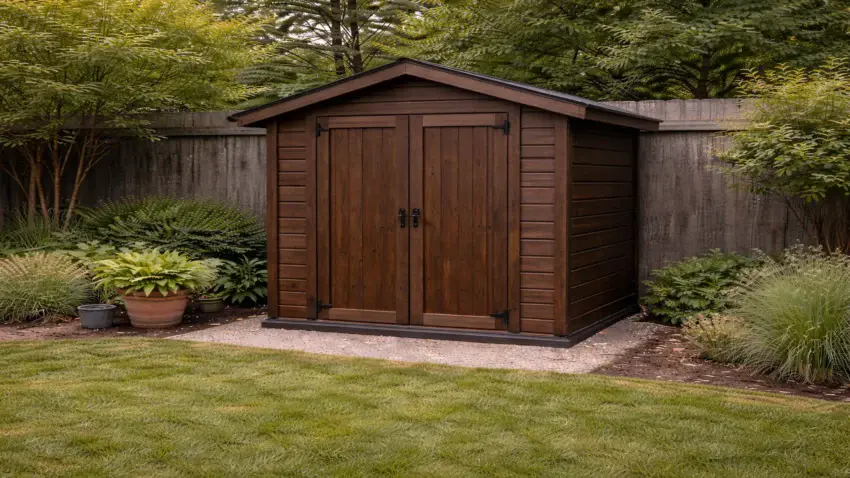
Not everyone wants to build like a pro — and that’s a good thing.
DIY utility shed plans for homeowners are designed for real people with basic tools, limited time,
and practical storage needs—not contractors with crews and specialty equipment.
These plans focus on clarity, simplicity, and forgiving construction,
making them ideal for homeowners who want a solid utility shed without
turning it into a major construction project.
This guide is part of my backyard utility shed plans collection,
where I focus on multi-purpose storage designs built for small outdoor spaces.
What Makes a Shed Plan Homeowner-Friendly?
Homeowner-focused plans remove unnecessary complexity.
They typically include:
-
Straightforward framing layouts
-
Standard lumber sizes
-
Clear cut lists and diagrams
-
Simple roof designs
-
Flexible foundations
The goal is confidence—not perfection.
Why Contractors’ Plans Often Miss the Mark
Plans written for professionals assume:
-
Advanced tools
-
Experience with layout and framing
-
Comfort with corrections and adjustments
-
Crew-based building
For homeowners, that often leads to frustration, wasted material, and stalled projects.
Shed Sizes That Work Best for DIY Homeowners
These sizes balance usefulness with manageability:
-
6×8 – Beginner-friendly and fast to build
-
8×8 – Balanced footprint with flexibility
-
8×10 – Most popular homeowner size
-
10×10 – Still DIY-friendly with planning
Staying within these ranges keeps builds realistic.
Materials That Keep Builds Approachable
Homeowner shed plans usually rely on:
-
Standard framing lumber
-
Plywood or OSB sheathing
-
Basic siding options
-
Simple roofing materials
No custom milling. No specialty fasteners. No guesswork.
Time Expectations for DIY Builds
Most homeowner-focused utility sheds:
-
Can be built over a few weekends
-
Don’t require daily work
-
Allow natural stopping points
-
Can be paused without issues
That flexibility matters when life gets busy.
Who These Shed Plans Are Best For
DIY utility shed plans for homeowners are ideal if you:
-
Want a practical backyard structure
-
Prefer step-by-step guidance
-
Don’t build projects professionally
-
Value function over flashy details
They’re realistic, forgiving, and built for success.
Where This Fits in the Utility Shed Lineup
This is the accessibility-first option within backyard utility sheds.
It complements:
-
Equipment-focused sheds
-
Workbench-based layouts
-
Multi-purpose designs
by making the entire category more approachable.
What’s Next
If you’re comparing all utility shed options to decide which design best fits your yard, tools,
and skill level, the next step is reviewing the full range of layouts side by side.
Continue to my backyard utility shed plans guide to explore flexible designs built
for small outdoor spaces.
 Plan it. Grow it. Enjoy it!
 Helpful Resources for Small Greenhouse Success
Planning and maintaining a small greenhouse goes far beyond choosing the right size or layout.
Understanding common pitfalls, having the right tools on hand,
and setting things up correctly from the start can make a
noticeable difference in both plant health and long-term enjoyment.
If you’re continuing your small greenhouse journey,
these guides will help you move forward with confidence:
-
Common Small Greenhouse Mistakes to Avoid
Learn which sizing, layout, and airflow mistakes cause the most frustration for new growers —
and how to avoid them early. -
Essential Gardening Tools for Small Spaces
A practical breakdown of tools that make daily greenhouse tasks easier, cleaner, and more efficient in compact environments. -
Small Greenhouse Setup Guide
Step-by-step guidance on positioning, airflow planning, and layout decisions that set your greenhouse up for long-term success.
 Turn Your Shed Building Experience Into a Simple Online Income
Curious how this site was built?
 Click here to learn more about Wealthy Affiliate.
SmallGardenBox.com started as a simple project built around small-space gardening ideas
and greenhouse setups —
and it only grew once I learned how to properly build and structure a real website.
If you’ve ever thought about sharing your gardening knowledge, greenhouse experience,
or shed building tips,
the training at Wealthy Affiliate is what I personally used and recommend.
It walks you through building a website, creating helpful content,
and turning that knowledge into a long-term online asset.
