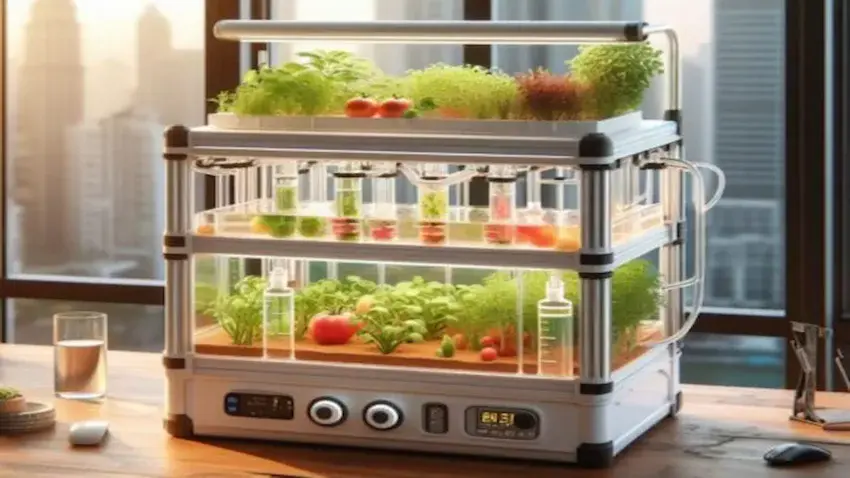
Transforming your indoor space into a thriving miniature farm is easier than you might think — especially with a compact desktop aquaponic greenhouse unit like this one. These innovative systems combine aquaculture and hydroponics into one closed-loop ecosystem where plants, water, and fish all work together naturally. Whether you’re tight on space or simply want a no-fuss way to grow herbs, leafy greens, or even small vegetables, a desktop aquaponics setup offers a fun, eco-friendly, and visually stunning way to bring nature indoors.

🌿 Understanding How a Desktop Aquaponics System Works
Aquaponics — the smart fusion of aquaculture and hydroponics — is transforming how we approach indoor gardening. By creating a self-sustaining cycle where fish nourish the plants and the plants help filter and purify the water, you get a closed-loop ecosystem that’s both eco-friendly and fascinating to watch. Everything works together in real time, right in front of you.
Picture this: a compact aquaponic ecosystem buzzing with life, sitting neatly on your desk or countertop. It’s perfect for anyone who doesn’t have space for traditional gardening or wants a refreshing green corner without needing a backyard. And honestly, it’s just cool having a mini farm right where you work, relax, or unwind.
The real advantage of aquaponics is its ability to turn even the smallest area into a productive growing powerhouse. Plants tend to grow faster, water use is dramatically lower compared to soil gardening, and maintenance stays surprisingly simple. It’s an ideal option for anyone curious about sustainable growing or wanting to experiment with efficient, low-waste plant systems.
And here’s a common question: Can you do aquaponics in a greenhouse? Absolutely. A desktop greenhouse unit is simply a scaled-down version of larger aquaponic systems, offering the same self-regulating benefits on a smaller footprint. These compact greenhouses not only protect the plants and fish but also help maintain steady humidity and temperature, creating optimal growing conditions indoors.
🐟 How to Choose the Right Fish for a Desktop Aquaponics System
Choosing the right fish for a desktop aquaponics system is key to keeping your miniature ecosystem healthy and balanced. Not every species thrives in small environments, so selecting fish that adapt well to compact, stable conditions is essential.
A few great beginner-friendly options include bettas, guppies, and small tilapia. These fish stay small, tolerate enclosed systems, and require minimal upkeep — ideal for anyone just getting started with aquaponics.
In an aquaponic setup, your fish and plants work together in a naturally beneficial cycle. Fish waste becomes nutrient-rich food for the plants, and the plants help filter and purify the water in return. It’s a simple, elegant system that mimics how nature sustains itself.
To keep everything running smoothly, regular water-quality checks are a must. Make sure your system stays clean, well-oxygenated, and within suitable pH levels. Healthy fish mean healthy plants — and a thriving little ecosystem right on your desk.
| Fish Type | Best For | Why It Works in Desktop Aquaponics |
|---|---|---|
| Betta | Beginners | Low maintenance, small size, tolerates warm, stable water. |
| Guppies | Small groups | Hardy, peaceful, great for small community setups. |
| Small Tilapia | Fast growth | Adaptable, strong, works well in nutrient-rich systems. |
🌱 Pro Tips for Healthy Aquaponic Fish
-
Keep water temps stable — even small fluctuations stress fish.
-
Avoid overfeeding; excess food breaks the nutrient cycle fast.
-
Use a gentle sponge filter to increase oxygen without strong currents.
-
Check pH weekly to keep your system balanced and plant friendly.
Aquaponics is one of those hobbies that grows on you — and building this website has been the same way. If you’ve ever wondered how to turn a passion project into a calm little stream of income, I explain the whole process on my Wealthy Affiliate landing page.
👉👉Wealthy Affiliate landing page
🌟 Amazon Product Suggestion:
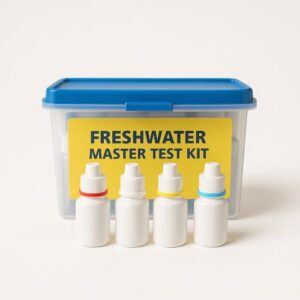
✔ API Freshwater Master Test Kit
(800 Tests)
This kit lets you check all the key water parameters that keep your aquaponics system thriving —
including pH, ammonia, nitrites, and nitrates.
🌟 Amazon Product Suggestion:
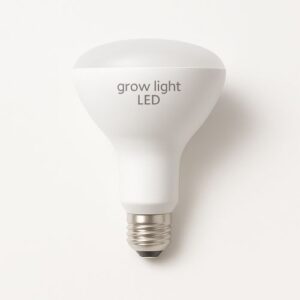
✔ GE Balanced Spectrum BR30 LED Grow Light Bulb
(9W)
Indoor aquaponic systems often need extra light to keep herbs and leafy greens growing strong. This full-spectrum LED bulb delivers bright, natural light without the harsh purple glow — perfect for desks, countertops, or compact greenhouse setups.
Give your plants bright, balanced light for healthier growth indoors.
⚠️ Challenges of Desktop Aquaponic Ecosystems
Every system has its hurdles, and desktop aquaponics is no exception. While these setups are fun, fascinating, and eco-friendly, there are a few limitations to keep in mind so you know exactly what to expect.
-
Initial setup costs can add up. While the experience is exciting, purchasing tanks, pumps, grow lights, and other components can get pricey for beginners.
-
Space is limited. A compact desktop unit naturally restricts how many plants and fish you can keep, so you’ll need to plan carefully to get the most out of the available space.
-
Small ecosystems are sensitive. Even minor imbalances in water quality can impact fish health or plant growth. Regular checks help keep everything stable.
-
Water levels fluctuate faster. Because the system is small, evaporation and nutrient shifts happen more quickly — meaning you may need to adjust water levels more often.
-
Occasional odors can occur. This isn’t common, but if the system isn’t cleaned or properly aerated, stagnant water can create unpleasant smells.
These challenges sometimes make aquaponics seem intimidating or “high effort” to newcomers. But the truth is, most of these issues are easy to manage once you get into a routine.
By checking water quality regularly and keeping the system well-aerated, you can prevent nearly all of these problems before they start — and keep your mini ecosystem healthy, balanced, and thriving.
🌟 Amazon Product Suggestion:

✔ Mini Aquarium Circulation Pump
(Dual Sponge Filters)
This compact circulation pump keeps water moving, boosts oxygen exchange, and helps maintain a clean, stable aquaponic environment.
Improve water flow and oxygen levels with a compact, whisper-quiet circulation pump.
🌱 Embracing the Aquaponic Lifestyle: Potential & Future Innovations
Diving into aquaponics opens the door to a greener, more sustainable way of living. This eco-friendly approach not only boosts your indoor greenery but also creates a self-sustaining cycle that feels rewarding, educational, and surprisingly fun.
Desktop aquaponic systems already deliver real environmental benefits — drastically reducing water usage, eliminating chemical fertilizers, and offering a clean, efficient way to grow fresh plants indoors. It’s an excellent fit for anyone passionate about sustainability or looking for a smarter growing method at home.
Innovation is where things get really exciting. Smart monitors, app-controlled sensors, automated feeding systems, and compact LED grow lights are already making aquaponics easier and more user-friendly than ever. Imagine checking your water levels or plant growth from your phone — all without disturbing your tiny ecosystem.
Looking ahead, aquaponics is becoming more accessible to everyday users. Educational desktop kits are gaining traction in classrooms and homes, helping kids and beginners understand ecosystems, water cycles, and the importance of sustainable growing. These approachable kits could spark an entirely new generation of eco-minded growers.
And the community aspect is growing too. Sharing techniques, comparing setups, and learning from other aquaponics hobbyists helps everyone improve faster — and keeps the hobby fresh and inspiring.
At its core, the aquaponic lifestyle encourages small choices that make a big impact.
Whether you’re growing herbs, leafy greens, or simply enjoying the calming presence of a tiny ecosystem on your desk, aquaponics brings nature a little closer in the most sustainable way possible.
🌿 Final Thoughts…
An aquaponic ecosystem in a compact desktop greenhouse unit is more than just a space-saving garden — it’s a hands-on way to explore sustainable food production right at home.
Whether you’re a curious beginner or a green-thumbed enthusiast, these small systems offer a rewarding blend of science, self-sufficiency, and style.
Start small, grow smart!
 Plan it. Grow it. Enjoy it!
 Helpful Resources for Small Greenhouse Success
Planning and maintaining a small greenhouse goes far beyond choosing the right size or layout. Understanding common pitfalls, having the right tools on hand, and setting things up correctly from the start can make a noticeable difference in both plant health and long-term enjoyment.
If you’re continuing your small greenhouse journey,
these guides will help you move forward with confidence:
-
Common Small Greenhouse Mistakes to Avoid
Learn which sizing, layout, and airflow mistakes cause the most frustration for new growers—and how to avoid them early. -
Essential Gardening Tools for Small Spaces
A practical breakdown of tools that make daily greenhouse tasks easier, cleaner, and more efficient in compact environments. -
Small Greenhouse Setup Guide
Step-by-step guidance on positioning, airflow planning, and layout decisions that set your greenhouse up for long-term success.
 Turn Your Gardening Knowledge Into a Simple Online Income
Curious how this site was built?
 Click here to learn more about Wealthy Affiliate.
SmallGardenBox.com started as a simple project built around small-space gardening ideas and greenhouse setups — and it only grew once I learned how to properly build and structure a real website.
If you’ve ever thought about sharing your gardening knowledge, greenhouse experience, or small-space growing tips online, the training at Wealthy Affiliate is what I personally used and recommend.
It walks you through building a website, creating helpful content,
and turning that knowledge into a long-term online asset.

This is such an insightful and inspiring overview of what a compact desktop aquaponic greenhouse can offer. I really appreciate how clearly you break down the benefits, from the closed-loop sustainability to the surprisingly low maintenance once everything is balanced. It’s amazing how much life and productivity you can pack into such a small footprint. The fish selection tips are especially helpful — beginners often underestimate how important compatible species are for keeping the system stable. I also love that you address common challenges honestly while still showing how manageable they are with simple routines. Aquaponics can seem intimidating at first, but posts like this really demystify the process and show how fun and rewarding these tiny ecosystems can be. It’s exciting to see innovation making indoor growing more accessible than ever. This definitely makes me want to try a desktop setup myself!
Thanks so much, Andrejs — I really appreciate that! ????
Aquaponics can look intimidating from the outside, but once that little ecosystem finds its balance, it’s honestly one of the coolest, most low-maintenance setups you can have on a desk. Watching the fish, plants, and bacteria all work together never gets old.
And you’re absolutely right about species selection — that’s one of the biggest “make or break” parts for beginners. Pick the right fish and the whole system practically runs itself.
I’m glad the breakdown helped make everything feel more approachable. These compact units really do pack a surprising amount of life into such a small space, and the newer designs are making indoor growing easier than ever.
If you end up trying a desktop setup, I’d love to hear how it goes! ????????
Thanks again for the awesome comment!
~Wayne
This is something I’ve always wanted to try myself. I’m kind of a prepper at heart, so the idea of having a small, self-sustaining system inside the house really appeals to me. I actually planned to build a larger setup in my finished basement, but that space ended up becoming the storage zone for all my son’s stuff — most of which he’ll probably never come back for! So a full-size system is on hold for now.
Reading this reminded me that starting small isn’t a setback at all. A compact desktop unit would actually give me a chance to learn the basics, figure out what works, and get some hands-on experience before scaling up. Thanks for sharing this — it definitely gave me a little push to stop waiting for the “perfect setup” and just get started where I can.
Hey Jason, thanks a ton for sharing that — I got a good laugh out of the basement turning into “son storage.” ????
I have a son like that too!
You’re definitely not alone there!
And you’re absolutely right: starting small isn’t a step backward at all — it’s actually the smartest way to get into aquaponics. A compact desktop setup lets you learn the rhythms, dial in the balance, and get real hands-on experience without needing a whole dedicated room (or waiting for your kid to reclaim his stuff… which might take a decade).
The prepper angle makes total sense too. Having a little self-sustaining ecosystem right inside the house is both fun and practical — you get fresh greens, cleaner air, and a deeper understanding of how the whole cycle works.
If you ever decide to scale up later, you’ll be miles ahead because you already learned all the basics on a smaller, low-risk system.
Appreciate the comment, man — start where you are, grow what you can, and have fun with it. ????????
~Wayne