
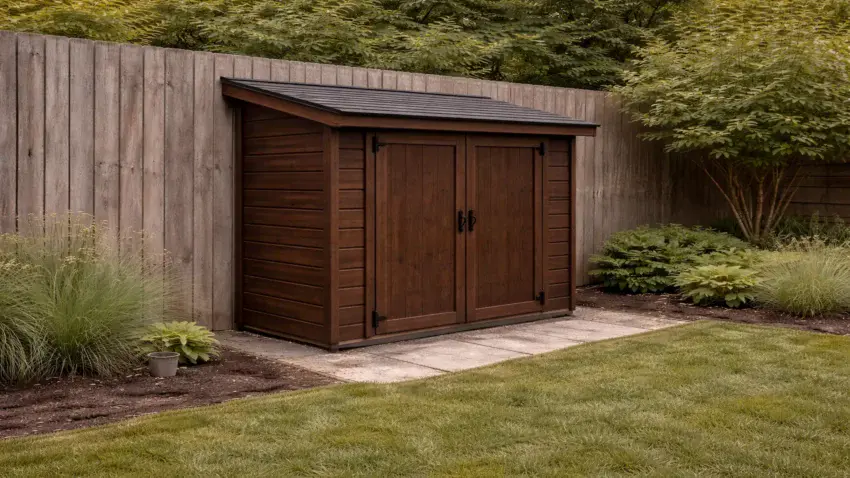
If cost is the deciding factor, lean-to sheds are hard to beat.
Cheap lean-to shed plans that save space and money are designed to minimize materials,
reduce complexity, and take advantage of existing structures—without sacrificing usefulness.
By sharing a wall and using a single-slope roof, lean-to sheds naturally cost less to build than freestanding designs. When planned correctly, they deliver practical storage at a fraction of the price.
This guide is part of my lean-to shed plans collection,
where I focus on space-saving builds designed specifically for side yards and fence lines.
Why Lean-To Sheds Are Naturally Cheaper
Lean-to sheds save money by design.
They typically:
-
Use fewer framing materials
-
Eliminate one full wall
-
Require less roofing material
-
Reduce foundation requirements
Every shared surface lowers material and labor costs.
Where Most Budget Savings Come From
Cheap lean-to shed plans focus on smart reduction, not cutting corners.
Common cost-saving choices include:
-
Shallow depth footprints
-
Simple rectangular framing
-
Minimal trim and finishes
-
Basic siding and roofing materials
The shed stays functional without unnecessary extras.
Affordable Sizes That Still Work Well
Smaller footprints are easier on the budget.
Popular low-cost lean-to sizes include:
-
4×6 – Minimal material use
-
5×8 – Best value for usable storage
-
6×8 – Still affordable with careful planning
Staying compact keeps lumber and roofing costs predictable.
Materials That Keep Costs Down
Budget lean-to shed plans often use:
-
Standard framing lumber
-
OSB or plywood sheathing
-
Basic siding panels
-
Simple roofing materials
Avoid specialty products—availability matters as much as price.
Foundation Options That Save Money
Expensive foundations aren’t required for lean-to sheds.
Common low-cost options include:
-
Gravel bases
-
Concrete blocks
-
Pressure-treated skids
These foundations are faster to install and easier to adjust.
What Budget Plans Should Still Get Right
Saving money doesn’t mean ignoring essentials.
Good cheap plans still include:
-
Proper roof slope
-
Secure attachment methods
-
Water runoff control
-
Adequate ventilation
Skipping these leads to repairs that cost more later.
Who These Lean-To Shed Plans Are Best For
Cheap lean-to shed plans are ideal if you:
-
Want the lowest material cost possible
-
Need storage in a tight space
-
Prefer function over appearance
-
Are working within a fixed budget
They’re some of the most cost-effective sheds you can build.
Where This Fits in the Lean-To Shed Lineup
This is the budget-focused branch of lean-to sheds.
It complements:
-
Attached lean-to designs
-
Narrow side-yard sheds
-
Beginner-friendly builds
by focusing purely on affordability and efficiency.
What’s Next
If you’re ready to compare all lean-to options — attachment, footprint, skill level, and budget —
the next step is reviewing the full range side by side.
Continue to my lean-to shed plans guide to explore space-saving builds designed for side yards
and fence lines.
 Plan it. Grow it. Enjoy it!
 Helpful Resources for Small Greenhouse Success
Planning and maintaining a small greenhouse goes far beyond choosing the right size or layout.
Understanding common pitfalls, having the right tools on hand,
and setting things up correctly from the start can make a
noticeable difference in both plant health and long-term enjoyment.
If you’re continuing your small greenhouse journey,
these guides will help you move forward with confidence:
-
Common Small Greenhouse Mistakes to Avoid
Learn which sizing, layout, and airflow mistakes cause the most frustration for new growers —
and how to avoid them early. -
Essential Gardening Tools for Small Spaces
A practical breakdown of tools that make daily greenhouse tasks easier, cleaner, and more efficient in compact environments. -
Small Greenhouse Setup Guide
Step-by-step guidance on positioning, airflow planning, and layout decisions that set your greenhouse up for long-term success.
 Turn Your Shed Building Experience Into a Simple Online Income
Curious how this site was built?
 Click here to learn more about Wealthy Affiliate.
SmallGardenBox.com started as a simple project built around small-space gardening ideas and greenhouse setups — and it only grew once I learned how to properly build and structure a real website.
If you’ve ever thought about sharing your gardening knowledge, greenhouse experience,
or shed building tips,
the training at Wealthy Affiliate is what I personally used and recommend.
It walks you through building a website, creating helpful content,
and turning that knowledge into a long-term online asset.
