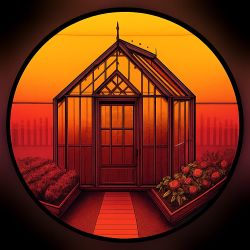
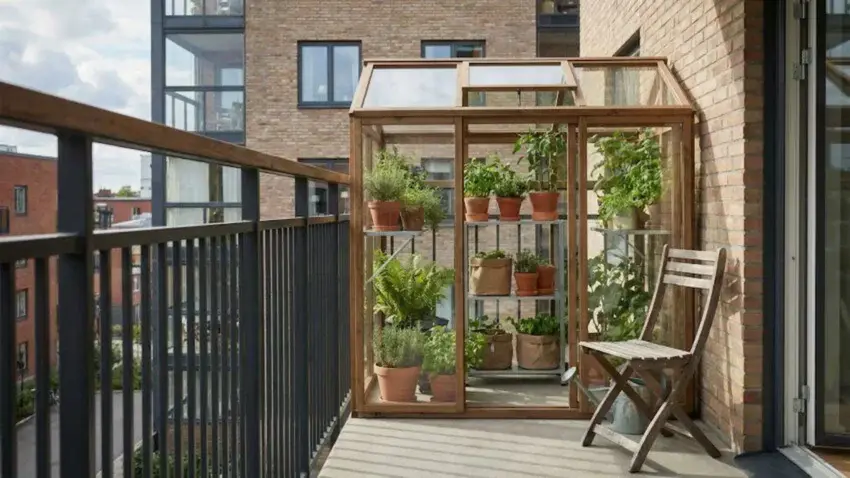
A balcony greenhouse lets you grow plants in small outdoor spaces — and for many apartment dwellers, an apartment balcony greenhouse is a practical way to make this happen even when you don’t have a yard.
By using lightweight structures and smart placement, even a compact balcony can provide enough
light and protection for herbs, vegetables, and ornamental plants.
In this guide, you’ll learn what a balcony greenhouse is, how to set one up safely,
and practical tips to help beginners get started.
Whether you’re working with limited space or navigating building restrictions,
this article will walk you through the basics so you can grow with confidence.
👉👉 Looking for layout inspiration and real-world examples?
These balcony greenhouse ideas show what works best for apartments and small spaces.
👉👉 Understanding soil types and soil health early on helps prevent drainage issues, nutrient problems, and weak plant growth later.

Creating a Balcony Greenhouse: Understanding the Basics
Transforming a balcony into a greenhouse is a great way for apartment dwellers and renters to
enjoy gardening without needing a backyard.
It’s about adapting to the limits of space while maximizing the available sunlight for your plants.
Perfect for beginners who want to dip their toes into gardening.
Size and weight are two big things to think about when setting up your balcony greenhouse.
Too much weight or a bulky setup might be hard on your balcony
and could even break some building rules.
Always consider the load your balcony can comfortably handle.
Smaller structures and lightweight materials like plastic or aluminum frames can be a solution.
Balconies face unique challenges.
Wind might be an issue, especially on higher floors, and it could stress your plants.
Cold drafts or unexpected chills might also cause problems during the cooler months.
Some places have HOA rules that limit what you can put on your balcony,
so, it’s smart to check those first.
There are plenty of pros to having a balcony greenhouse.
Besides bringing greenery to your living space, plants can help with air quality.
Plus, the personal satisfaction of growing your own herbs or veggies is pretty rewarding.
On the downside, the limited space might restrict the types and amounts of plants you can grow,
and you’ll need to check the structure regularly to ensure plant health and safety.
👉👉 If a full balcony greenhouse isn’t practical for your space, there are several
apartment greenhouse alternatives that still recreate greenhouse conditions without the bulk or weight.
Types of Balcony Greenhouses (Mini, Vertical, Shelving)
Not all balcony greenhouses are built the same, and the right type depends on your available space, weight limits, and how many plants you want to grow. Choosing the correct style from the start makes setup easier and helps avoid overcrowding later.
Mini Balcony Greenhouses
Mini balcony greenhouses are compact, lightweight, and designed for small spaces.
They usually feature a simple frame with clear plastic covering and one or two shelves inside.
These are a good choice if you:
- Have a narrow or shallow balcony
- Want something easy to move or remove
- Are growing herbs, seedlings, or a few small plants
Because of their size, mini greenhouses warm up quickly but can also overheat,
so ventilation and placement matter.
Vertical Balcony Greenhouses
Vertical greenhouse designs focus on height rather than floor space.
They use stacked shelves or upright frames to hold multiple plants in a small footprint.
Vertical options work well if you:
- Have limited floor space but decent ceiling height
- Want to grow more plants without crowding
- Need better airflow between plant levels
This style is popular for apartment balconies where space is tight but sunlight is good.
Weight distribution is important, so lighter pots and plants are usually best.
Shelving-Style Balcony Greenhouses
Shelving-style greenhouses resemble small plant cabinets or racks wrapped in a protective cover.
They offer multiple tiers while remaining relatively stable and easy to access.
These setups are ideal if you:
- Want to organize plants by size or light needs
- Grow a mix of herbs, greens, and small vegetables
- Prefer easy access for watering and maintenance
Shelving units are versatile, but it’s important not to overload them.
Even lightweight shelves can become heavy once plants, soil, and water are added.
Choosing the Right Style for Your Balcony
When deciding which type works best, consider:
- Balcony width and depth
- Weight limits and structural safety
- Sun exposure and wind conditions
- How many plants you realistically plan to maintain
Starting with a simple setup makes it easier to learn what works in your space before
upgrading or expanding later.
Getting Started: Practical Tips for Beginners
Starting a balcony greenhouse doesn’t require advanced gardening skills,
but a little planning goes a long way.
Focusing on safety, placement, and simplicity helps beginners avoid common mistakes
and build confidence early.
Begin by choosing a stable location on your balcony.
Place the greenhouse where it won’t block doors or walkways and where it can be secured against wind.
If your balcony is exposed, positioning the structure against a wall or railing can provide
extra protection and warmth.
Sunlight is another key factor.
Most plants need several hours of light each day, but balconies can vary greatly depending on
their direction and surrounding buildings.
Observe how sunlight moves across your balcony before placing plants and
avoid spots that receive intense afternoon sun without ventilation, as overheating can occur quickly.
Start small with easy-to-manage plants.
Herbs, leafy greens, and starter seedlings are ideal for beginners because they grow quickly
and don’t require deep containers.
Keeping the number of plants manageable makes watering, monitoring, and troubleshooting much easier.
Finally, check on your greenhouse regularly during the first few weeks.
Look for signs of excess heat, poor airflow, or water buildup.
Making small adjustments early — such as opening vents, rearranging plants,
or adjusting watering habits —
can prevent bigger problems later on.
👉👉 If you’re ready for a hands-on approach, our guide on how to build a balcony greenhouse walks through the process step by step.
Maintaining Your Balcony Greenhouse
Maintaining a balcony greenhouse is mostly about consistency rather than effort.
Small, regular check-ins help keep plants healthy and prevent minor issues from
turning into bigger problems.
Watering is one of the most important tasks.
Because balcony greenhouses are enclosed, moisture can build up faster than expected.
Water plants only when the soil feels dry to the touch and avoid letting excess water collect
at the bottom of containers.
Good drainage helps prevent root rot and mold.
Temperature and airflow should be monitored throughout the day, especially during warmer months.
Balconies can heat up quickly, even in cooler weather.
Opening vents or unzipping panels during the day allows excess heat to escape
and keeps plants from overheating.
At night, closing the greenhouse helps retain warmth and protect plants from sudden temperature drops.
Plants should also be checked regularly for signs of stress or pests.
Yellowing leaves, wilting, or slow growth can indicate light, water, or temperature issues.
Catching these signs early makes it easier to adjust conditions before plants are damaged.
Cleaning and organization play a role as well.
Remove dead leaves, spilled soil, and standing water to keep the greenhouse tidy
and reduce the risk of pests or disease.
A clean, well-organized space makes ongoing care easier and helps plants thrive in a small balcony environment.
Common Problems and Simple Fixes
Even with a good setup, balcony greenhouses can run into a few common issues.
The key is recognizing problems early and making small adjustments before plants are affected.
Overheating
Balcony greenhouses can trap heat quickly, especially on sunny days.
Signs of overheating include wilting plants, dry soil, and scorched leaves.
Simple fixes:
- Open vents or panels during the day
- Move heat-sensitive plants lower or into partial shade
- Increase airflow by spacing plants farther apart
Poor Airflow
Stagnant air can lead to mold, mildew, and weak plant growth.
This is more common in tightly sealed greenhouses or on balconies with limited natural airflow.
Simple fixes:
- Open the greenhouse daily, even in cooler weather
- Avoid overcrowding shelves
- Rearrange plants to allow air to move freely
Excess Moisture or Mold
High humidity combined with poor drainage can cause mold on soil or leaves.
This often happens when plants are watered too frequently.
Simple fixes:
- Let soil dry slightly between waterings
- Ensure containers have proper drainage holes
- Wipe down interior surfaces if condensation builds up
Wind Damage
Wind can stress plants and shift lightweight structures, especially on higher balconies.
Simple fixes:
- Secure the greenhouse to a wall or railing
- Place heavier items on lower shelves for stability
- Use wind-protected corners of the balcony when possible
Limited Growth or Yellowing Leaves
Slow growth or yellowing leaves can signal light, nutrient, or temperature problems.
Simple fixes:
- Adjust plant placement for better light exposure
- Check watering habits and avoid overwatering
- Remove stressed leaves to help plants recover
👉👉 Once you’re ready to choose a setup, our guide to the best balcony greenhouse options
compares top picks for apartments and small spaces.
🌡️ Seasonal Balcony Greenhouse Considerations
As temperatures change, your balcony greenhouse setup may need adjustments
to keep plants healthy year-round.
Cold weather introduces challenges like frost, wind, and reduced daylight that require extra planning.
👉👉 For cold-climate tips, see our complete guide to balcony greenhouse for winter, which covers insulation, heat retention, and winter-safe plant choices.
🌱 Balcony Greenhouse Options Worth Considering
If you’re ready to move from planning to growing, a compact balcony greenhouse can make the process much easier. The options below are well-suited for small spaces, lightweight enough for apartment balconies, and designed to protect plants from wind, temperature swings, and unpredictable weather.
Each option serves a slightly different need, so you can choose what fits your space, plant count,
and growing goals best.
3-Tier Mini Greenhouse with Clear PVC Cover
A 3-tier mini greenhouse is a great starting point for beginners working with limited balcony space.
Its compact footprint and lightweight design make it easy to position against a wall or railing without overwhelming the area.
 Amazon Product Suggestion:
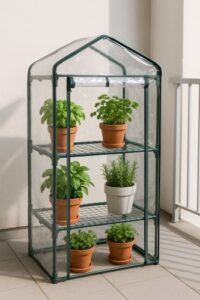
✓ 3-Tier Mini Greenhouse with Clear PVC Cover
A simple, affordable mini greenhouse that fits easily on small balconies and patios. The clear PVC cover holds warmth and protects plants from wind, while the three sturdy shelves give you room for herbs, seedlings, and compact veggies.
Why it’s great:
✓ Perfect size for tight spaces
✓ Clear PVC cover traps warmth
✓ Lightweight and easy to assemble
✓ Budget-friendly
Small Plastic 4-Tier Greenhouse with Durable PE Cover
If vertical space is available, a 4-tier greenhouse allows you to grow more plants without taking up additional floor space. This style is ideal for balconies where width is limited but height isn’t an issue.
Amazon Product Suggestion:

 Small Plastic 4-Tier Greenhouse with Durable PE Cover
A compact, lightweight greenhouse that fits perfectly on small balconies. The clear PE cover traps warmth protects plants from wind, and gives you four sturdy shelves for vertical growing. Affordable, easy to assemble, and great for herbs, seedlings, and balcony-friendly veggies.
Why it’s great:
Slim footprint for tight spaces
Clear PE cover for warmth
Four strong shelves
Simple setup
MCombo 2-Tier Wooden Cold Frame Greenhouse
For gardeners looking for a sturdier and more decorative option, a wooden cold frame greenhouse offers both function and visual appeal. This style works well on sheltered balconies or patios where stability and insulation are a priority.
Amazon Product Suggestion:

MCombo 2-Tier Wooden Cold Frame Greenhouse
(with Polycarbonate Panels)
A stylish, compact wooden greenhouse that brings a modern, premium look to any balcony. The twin polycarbonate panels trap warmth, protect young plants from chilly winds, and keep your herbs and small veggies cozy through cooler seasons. The adjustable shelf and easy-open top make it perfect for daily balcony gardening — without taking up much space.
Why it’s great:
✔ Attractive wooden frame with insulation benefits
✔ Adjustable shelves for herbs and seedlings
✔ Ventilated roof helps prevent overheating
✔ Durable design for patio and balcony use
Bringing It All Together
Choosing the right balcony greenhouse comes down to matching your space, plant goals,
and environment. Whether you prefer a lightweight mini greenhouse, a vertical shelving design,
or a more insulated wooden cold frame, the best option is one that fits comfortably on your balcony
and is easy to manage day to day.
Starting with a setup that feels practical — not overwhelming —
makes balcony gardening more enjoyable and sustainable over time.
With the right structure in place, you can focus less on fighting the elements and
more on watching your plants grow.
🌱 Final Thoughts…
A balcony greenhouse is a practical way to grow plants in a small space,
even if you’re working with apartment restrictions or limited sunlight.
With the right setup and a little ongoing care, it’s possible to enjoy fresh herbs, greens,
and plants without needing a traditional garden.
Starting simple, choosing the right greenhouse style, and paying attention to airflow, sunlight,
and watering will make the biggest difference.
As you gain experience, you can always expand or upgrade your setup to better match your
space and growing goals.
 Plan it. Grow it. Enjoy it!
 Helpful Resources for Small Greenhouse Success
Planning and maintaining a small greenhouse goes far beyond choosing the right size or layout. Understanding common pitfalls, having the right tools on hand, and setting things up correctly from the start can make a noticeable difference in both plant health and long-term enjoyment.
If you’re continuing your small greenhouse journey,
these guides will help you move forward with confidence:
-
Common Small Greenhouse Mistakes to Avoid
Learn which sizing, layout, and airflow mistakes cause the most frustration for new growers—and how to avoid them early. -
Essential Gardening Tools for Small Spaces
A practical breakdown of tools that make daily greenhouse tasks easier, cleaner, and more efficient in compact environments. -
Small Greenhouse Setup Guide
Step-by-step guidance on positioning, airflow planning, and layout decisions that set your greenhouse up for long-term success.
 Turn Your Gardening Knowledge Into a Simple Online Income
Curious how this site was built?
 Click here to learn more about Wealthy Affiliate.
SmallGardenBox.com started as a simple project built around small-space gardening ideas and greenhouse setups — and it only grew once I learned how to properly build and structure a real website.
If you’ve ever thought about sharing your gardening knowledge, greenhouse experience, or small-space growing tips online, the training at Wealthy Affiliate is what I personally used and recommend.
It walks you through building a website, creating helpful content,
and turning that knowledge into a long-term online asset.
