
Bee and butterfly watching is one of those simple pleasures that instantly brings gardens
and balcony planters to life.
If you want to attract colorful butterflies and busy bees, choosing the best plants for attracting bees
and butterflies makes all the difference.
Below is my go-to list of pollinator-friendly plants that reliably boost both garden activity and color.

Must-Have Products for Building a Bee-Friendly Garden
If you’re building a pollinator-friendly garden, the right supplies can make a big difference
in how well bees thrive. These hand-picked Amazon products help you plant, grow,
and support pollinators while adding color and function to your garden space.
Save the Bees Wildflower Seed Mix
This vibrant “Save the Bees” seed collection features a diverse mix of wildflowers designed to
attract and support pollinators.
It’s an easy way to add color to your garden while helping bees thrive season after season.
 Amazon Product Suggestion:
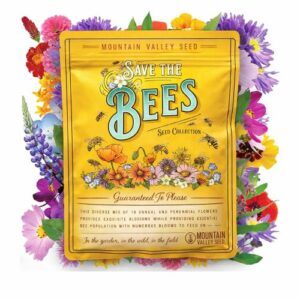
✔ Save the Bees Wildflower Seed Mix
(80,000+ Seeds)
This bulk wildflower seed mix is an easy way to turn open soil into a colorful, pollinator-friendly growing space. With a diverse blend of annuals and perennials, it supports bees, butterflies, and hummingbirds while adding long-lasting blooms.
Why It’s Great:
✔ Massive Coverage – Over 80,000 seeds to fill garden beds, borders, and unused spaces
✔ Pollinator-Friendly Mix – Attracts bees, butterflies, and other beneficial insects
✔ Non-GMO & USA-Sourced – 19 non-GMO wildflower varieties packed in the U.S.
✔ Beginner-Friendly – Simple scatter-and-water planting with reliable results
Elevated Wooden Raised Garden Bed for Pollinator Plants
This elevated wooden garden bed is designed to make planting and maintenance easier while keeping everything neatly contained. With lockable wheels and a built-in storage shelf, it’s a practical solution for patios, yards, and greenhouse spaces.
Amazon Product Suggestion:
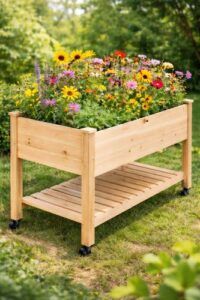
✔ Best Choice Products Raised Garden Bed
(for Pollinator Plants)
This mobile raised garden bed makes it easy to grow vegetables, herbs, or flowers without bending or kneeling. Its elevated design and lockable wheels let you garden comfortably while moving plants to the best sunlight when needed.
Why It’s Great:
✔ Elevated working height reduces back and knee strain
✔ Lockable caster wheels for easy movement and stability
✔ Built-in lower shelf for tool and supply storage
✔ Protective liner helps retain soil and extend wood life
4-Pack Bee Watering Station Flower Stakes
If you’re planting with pollinators in mind, these bee baths are an easy,
low-maintenance way to support them while adding visual interest to your outdoor space.
Amazon Product Suggestion:
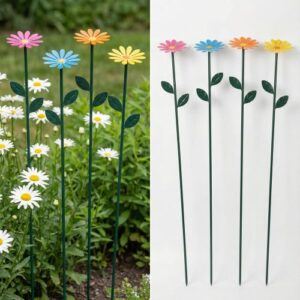
✔ 4 Pack Bee Watering Station
(Flower Stakes)
These decorative bee watering stations add color to your garden while giving pollinators a safe place to drink. Designed as metal flower stakes, they blend right into flower beds, borders, and raised planters.
Why It’s Great:
✔ Shallow flower bowls provide safe water access for bees and butterflies
✔ Metal stake design pushes easily into soil for flexible placement
✔ Bright, colorful flower tops double as garden décor
✔ Includes four stakes to spread water sources across your garden
👉👉 Once you’ve got the basics in place, it’s time to focus on what matters most: the plants. Choosing bee- and butterfly-friendly flowers is the easiest way to turn any garden into a pollinator hotspot.
🌼 Top Plants That Attract Bees and Butterflies
There’s a wide range of plants that bees and butterflies can’t resist.
Some offer bright, showy blooms, while others produce nectar nonstop.
These pollinator favorites are easy to grow and almost guaranteed to bring more activity
and life into your garden or outdoor space.
- Lavender: Bees absolutely go wild for lavender. It’s tough, smells amazing, and its purple blooms support a wide range of beneficial insects.
- Milkweed (Asclepias): Monarch butterflies rely on milkweed to lay their eggs, making it essential for butterfly-friendly gardens. Bees benefit from it too.
- Bee Balm (Monarda): These bright, shaggy flowers attract both bees and butterflies, and hummingbirds love them as well.
- Coneflower (Echinacea): Sturdy, daisy-like blooms that act as magnets for pollinators and thrive in most sunny locations.
- Blackeyed Susan (Rudbeckia): Long-blooming yellow flowers that keep pollinators buzzing all summer.
- Catmint (Nepeta): A hardy plant that flowers for extended periods and draws in large numbers of bees.
- Verbena: Especially varieties like Verbena bonariensis, which produce clouds of small flowers that butterflies flock to.
- Salvia: Known for tall spikes of blue, purple, or red flowers, salvias are tough, reliable, and highly attractive to pollinators.
Native wildflowers deserve special mention, as native bees and butterflies often prefer plants from their own region. If you’re unsure which plants are native to your area, a local nursery or cooperative extension office can point you in the right direction.
🧲 What Makes Some Plants Especially Attractive?
Plants that produce plenty of nectar and have single, open blooms are much easier for pollinators
to feed from than heavily layered flowers.
Brightly colored blooms also help, with bees favoring purple, blue, and yellow,
while butterflies are drawn to red, orange, and pink.
Fragrance matters too, which is why herbs like lavender, mint, and thyme are especially appealing.
Flower shape plays an important role as well.
Tubular blooms such as salvia and bee balm suit long-tongued bees and butterflies,
while flatter flowers like coneflowers give pollinators an easy place to land and feed.
Mixing different flower shapes creates a welcoming buffet for a wide variety of pollinators.
🐝 The Plants Bees Like Best
When it comes to bees, lavender consistently tops the list of favorites,
both in my experience and across many gardening sources.
It’s packed with sweet-smelling nectar, and its clustered blooms are easy for bees to land on and feed from. Lavender also thrives in sunny, well-drained soil, making it a reliable and beginner-friendly choice.
Other bee favorites include borage, which can rebloom all summer with regular trimming,
along with thyme, sunflowers, and native wildflowers suited to your region.
Even letting herbs like oregano, chives, and basil flower can attract large numbers of bees
by providing rich nectar sources.
🦋 The Plants Butterflies Find Most Attractive
For butterflies, milkweed is unmatched — especially for monarchs.
Monarch caterpillars depend on milkweed to survive,
so adding it to your garden directly supports their entire life cycle.
Zinnias and verbena are also top choices,
offering abundant nectar and bright colors that attract many butterfly species.
Butterfly bush (Buddleja) draws a wide variety of butterflies,
though it’s considered invasive in some regions, so it’s best to check local guidelines before planting.
Lantana is another favorite in warmer climates,
producing clusters of vibrant flowers that butterflies return to throughout the season.
🌺 Plants for Bees, Butterflies, and Hummingbirds
Some plants do double or even triple duty by attracting bees, butterflies, and hummingbirds all at once.
These versatile choices help maximize pollinator activity without overcrowding your garden.
- Bee Balm (Monarda): Spiky, nectar-rich blooms that attract bees, butterflies, and hummingbirds alike.
- Salvia: Especially red and blue varieties, these tubular flowers hold nectar deep inside, making them ideal for hummingbirds and large bees.
- Penstemon: Trumpet-shaped flowers in bold colors that are highly attractive to pollinators and hummingbirds.
- Phlox: Garden and wild phlox produce fragrant flower clusters that bees, butterflies, and hummingbirds all visit regularly.
Many of these plants are perennials, returning year after year and increasing pollinator activity as they
become established.
Spreading them throughout garden beds or mixing them into borders helps create a more inviting and
wildlife-friendly outdoor space.
🌱 Getting Started with a Pollinator Friendly Garden
If you want to see more bees and butterflies, you don’t need to turn your entire yard into a meadow.
Even a few containers, window boxes, or a small sunny patch can become a valuable pollinator pit stop.
Here’s what I focus on when getting started:
- Mix it up: Aim for a variety of plant shapes, colors, and bloom times to provide food throughout
the growing season as different pollinators become active. - Skip chemicals: Avoid pesticides, especially those labeled as harmful to pollinators.
When pests are an issue, use organic or barrier methods that protect beneficial insects. - Leave some wild: You don’t have to keep everything perfectly tidy. Bare soil can help ground-nesting bees and standing plant stems provide shelter for overwintering insects.
- Provide water: A shallow dish with pebbles gives pollinators a safe place to drink. Refresh the water regularly and make sure insects can land without risk of drowning.
Over time, you’ll notice increased activity as your plants mature.
Start with a small border or patch, then expand as you see which flowers
attract the most visitors in your area.
🛠️ Overcoming Common Garden Challenges
Gardening for pollinators is usually straightforward, but a few common challenges can pop up along the way. Fortunately, most are easy to work around with small adjustments.
- Deer or rabbits eating flowers: Try planting fragrant herbs like rosemary or thyme, which are less appealing to browsers. Light fencing or choosing plants wildlife tend to avoid can also help.
- Poor soil or shade: Many pollinator favorites prefer sun, but some tolerate partial shade, including geraniums and foxglove. Improving soil with compost can also make a big difference.
- Gaps in blooms early or late in the season: Plant early bloomers like crocus and alliums for spring, and asters or goldenrod for fall to keep nectar available longer.
A mix of plant types and bloom times helps reduce problems and keeps pollinators visiting
throughout the season.
🪴 Making Gardening for Pollinators Practical
Starting small with just one or two bee-friendly or butterfly-friendly plants is perfectly fine.
Even a single pot of lavender or basil can start attracting bees within days.
If you want to get creative, tuck flowering herbs and nectar plants among vegetables
or into front-yard beds to spread the benefits across your entire space.
Gardening for pollinators isn’t only rewarding for insects — it creates a healthier,
more vibrant garden for you as well.
As you watch which visitors show up throughout the day,
you may even spot native bees or rare butterflies drawn in by just a few well-chosen plants.
🌿 Examples from Real Gardens
One of the easiest transformations I’ve seen was a neighbor replacing part of their lawn with
clumps of coneflowers and salvia.
Within weeks, the area was buzzing with activity.
Another friend planted zinnias in mismatched pots along a fence and soon started spotting
butterflies they’d never seen before.
It proved you don’t need a picture-perfect garden — pollinators just want easy access to nectar,
pollen, and safe places to rest.
I’ve also seen city balconies filled with basil, mint, and small sunflowers attract both bees and butterflies.
Even in tight spaces, a few well-chosen plants in containers can make a noticeable difference,
turning small urban gardens into lively, fragrant retreats.
🌸 Final Thoughts…
A pollinator-friendly garden benefits more than just bees and butterflies —
it also supports vegetables, fruit plants, and the surrounding ecosystem.
Watching flowers fill with busy bees or spotting bright butterflies throughout the day is one of the most rewarding parts of gardening.
By choosing the right mix of plants and avoiding harsh chemicals,
you create a healthier, more vibrant space that truly gives back.
You may even find yourself spending more time simply sitting back and
watching the winged visitors do what they do best.
 Plan it. Grow it. Enjoy it!
 Helpful Resources for Small Greenhouse Success
Planning and maintaining a small greenhouse goes far beyond choosing the right size or layout. Understanding common pitfalls, having the right tools on hand, and setting things up correctly from the start can make a noticeable difference in both plant health and long-term enjoyment.
If you’re continuing your small greenhouse journey,
these guides will help you move forward with confidence:
-
Common Small Greenhouse Mistakes to Avoid
Learn which sizing, layout, and airflow mistakes cause the most frustration for new growers—and how to avoid them early. -
Essential Gardening Tools for Small Spaces
A practical breakdown of tools that make daily greenhouse tasks easier, cleaner, and more efficient in compact environments. -
Small Greenhouse Setup Guide
Step-by-step guidance on positioning, airflow planning, and layout decisions that set your greenhouse up for long-term success.
 Turn Your Gardening Knowledge Into a Simple Online Income
Curious how this site was built?
 Click here to learn more about Wealthy Affiliate.
SmallGardenBox.com started as a simple project built around small-space gardening ideas and greenhouse setups — and it only grew once I learned how to properly build and structure a real website.
If you’ve ever thought about sharing your gardening knowledge, greenhouse experience, or small-space growing tips online, the training at Wealthy Affiliate is what I personally used and recommend.
It walks you through building a website, creating helpful content,
and turning that knowledge into a long-term online asset.
