
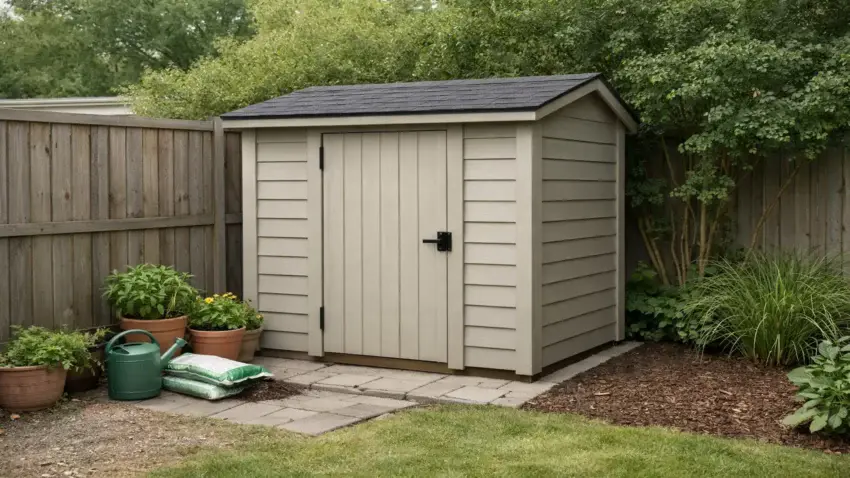
If you’re short on space but long on garden gear,
small storage shed plans are one of the smartest upgrades you can make to a yard, patio, or side yard.
A compact shed keeps tools dry, organized, and out of sight —
without swallowing your entire garden or blowing the budget.
This guide is designed for Small Garden Box builders:
practical DIYers who want a shed that fits real yards, real tools, and real weekends.
You’ll learn what sizes work best, how to choose a design, what materials matter,
and how to avoid the common mistakes that turn a “simple shed” into a long-term headache.
If you’re planning multiple outdoor projects,
this guide fits within our complete collection of free shed plans for small gardens,
designed to help you choose the right build for your space and budget.
Why Choose a Small Storage Shed?
Small sheds aren’t a compromise — they’re a strategy.
-
Efficient use of space: Ideal for narrow yards, fences, patios, or garden corners
-
Lower cost: Fewer materials, simpler foundations, faster builds
-
Beginner-friendly: Straight cuts, lighter lumber, and manageable timelines
-
Flexible placement: Easier to site around trees, slopes, and property lines
For most gardeners, a compact shed does exactly what’s needed:
stores hand tools, bags of soil, hoses, and seasonal gear —
without becoming a mini garage.
Popular Small Shed Sizes (What Actually Works)
When it comes to small storage sheds, these sizes consistently hit the sweet spot:
🔹 4×6 Shed
-
Great for hand tools, hose reels, fertilizers
-
Fits tight side yards
-
Fastest and least expensive to build
🔹 6×6 Shed
-
Balanced square footprint
-
Room for shelves plus floor storage
-
One of the most versatile options
🔹 6×8 Shed
-
Enough space for a mower or wheelbarrow
-
Still manageable for beginners
-
Excellent long-term storage value
Tip: If you’re torn between sizes, go one step bigger than you think.
Almost nobody regrets extra shelf space.
Best Shed Styles for Small Gardens
Design matters just as much as size — especially when the shed sits close to living space.
🏠 Lean-To Sheds
-
Attaches visually to a fence or wall
-
Minimal roof structure
-
Excellent for narrow areas
🏡 Gable Roof Sheds
-
Classic look
-
Better ventilation and headroom
-
Handles snow and rain well
🌿 Flat or Sloped Roof Sheds
-
Modern, low-profile appearance
-
Easier framing
-
Best in mild climates
Choose a style that complements your garden, not one that dominates it.
Foundation Options (Simple and Reliable)
Small sheds don’t need complicated foundations — but they do need stable ones.
-
Concrete pavers: Beginner-friendly, removable, affordable
-
Gravel pad: Excellent drainage, great for heavier sheds
-
Pressure-treated skids: Portable and code-friendly in many areas
Avoid placing a shed directly on bare soil. Moisture is the silent shed killer.
Materials That Make Small Sheds Last
You don’t need premium lumber everywhere — just in the right places.
-
Pressure-treated lumber: Base and ground contact areas
-
Exterior-grade plywood or OSB: Wall and roof sheathing
-
Weather-resistant siding: T1-11, LP SmartSide, or board-and-batten
-
Metal or asphalt roofing: Durable and easy to install
Seal edges, flash corners, and paint early.
Weather protection is cheaper than repairs.
Tools You’ll Actually Use
You can build most small sheds with a basic DIY tool kit:
-
Circular saw
-
Drill/driver
-
Tape measure & square
-
Level
-
Hammer or nailer
-
Safety gear (glasses, gloves)
No specialty tools required. No contractor-only nonsense.
Common Mistakes to Avoid
Even small sheds can go sideways if you rush:
-
Skipping the foundation
-
Ignoring door swing clearance
-
Building too close to fences
-
Forgetting ventilation
-
Underestimating storage needs
Plan first. Build once.
Is a Small Shed Right for You?
If you need:
-
A place to organize garden tools
-
Protection from weather
-
A weekend-friendly DIY project
-
Something that fits your yard—not a catalog photo
Then a small storage shed is one of the best outdoor builds you can tackle.
If your storage needs are focused mainly on hand tools, hoses,
and everyday garden equipment, our garden tool shed plans break down
layouts designed specifically for organized, tool-friendly storage.
What’s Next?
This page is the hub for small storage shed plans on Small Garden Box.
From here, we’ll break down specific shed types, sizes, and beginner builds step by step —
so you can choose a plan, gather materials, and start building with confidence.
When you’re ready,
explore the child guides below to find the shed that fits your space and your garden best.
 Plan it. Grow it. Enjoy it!
 Helpful Resources for Small Greenhouse Success
Planning and maintaining a small greenhouse goes far beyond choosing the right size or layout.
Understanding common pitfalls, having the right tools on hand,
and setting things up correctly from the start can make a
noticeable difference in both plant health and long-term enjoyment.
If you’re continuing your small greenhouse journey,
these guides will help you move forward with confidence:
-
Common Small Greenhouse Mistakes to Avoid
Learn which sizing, layout, and airflow mistakes cause the most frustration for new growers — and how to avoid them early. -
Essential Gardening Tools for Small Spaces
A practical breakdown of tools that make daily greenhouse tasks easier, cleaner, and more efficient in compact environments. -
Small Greenhouse Setup Guide
Step-by-step guidance on positioning, airflow planning, and layout decisions that set your greenhouse up for long-term success.
 Turn Your Gardening Knowledge Into a Simple Online Income
Curious how this site was built?
 Click here to learn more about Wealthy Affiliate.
SmallGardenBox.com started as a simple project built around small-space gardening ideas and greenhouse setups —
and it only grew once I learned how to properly build and structure a real website.
If you’ve ever thought about sharing your gardening knowledge, greenhouse experience, or small-space growing tips online,
the training at Wealthy Affiliate is what I personally used and recommend.
It walks you through building a website, creating helpful content,
and turning that knowledge into a long-term online asset.
