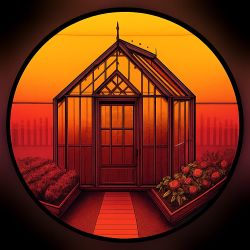

Small space greenhouses make it possible to grow vegetables, herbs, and flowers year-round —
even if all you have is a patio, balcony, or compact backyard.
This guide breaks down how small greenhouses work, what actually fits in tight spaces,
and which designs make the most sense so you can grow more without needing more land.
Later in the guide, I’ll also share a few greenhouse kits and tools that work especially well for small spaces, based on real-world usability — not hype.
In this guide, you’ll learn:
-
What size greenhouse actually works in small yards and balconies
-
Which greenhouse styles maximize heat and growing space
-
Common mistakes that make small greenhouses frustrating instead of productive

🌻 Why Small Space Greenhouses Work So Well
Small space greenhouses aren’t just scaled-down versions of full-sized structures — they’re designed to trap heat efficiently, control airflow, and make better use of vertical growing space.
Because the interior volume is smaller, even modest sunlight can raise temperatures quickly, creating a stable growing environment earlier in spring and later into fall. This makes compact greenhouses especially effective for extending the growing season without relying on large heaters or permanent installations.
When designed correctly, a small greenhouse can support a surprising variety of plants — from herbs and leafy greens to compact vegetables — all while fitting neatly into patios, balconies, and tight backyard corners.
What Makes a Greenhouse Small-Space Friendly?
Not every compact greenhouse is actually suited for small spaces.
The best designs focus on efficient layouts, smart proportions, and materials that work with
limited sunlight and airflow, rather than against them.
Before choosing a greenhouse, it helps to understand the few features that matter most
when space is tight.
Below are a few greenhouse kit styles that reflect these principles and tend to work
especially well in compact spaces.
Outsunny 4-Tier Mini Indoor/Outdoor Greenhouse
A compact, budget-friendly option for gardeners who need vertical growing space in a small footprint. With built-in shelving and a lightweight cover, it’s well suited for seedlings,
herbs, and protecting plants on patios, balconies, or indoors.
 Amazon Product Suggestion:
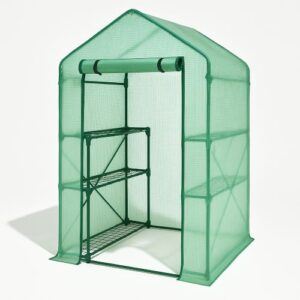
 Outsunny 4-Tier Mini Indoor/Outdoor Greenhouse
The Outsunny 5′ × 2.5′ × 6.5′ Mini Walk-In Greenhouse is a great low-cost option for small spaces, patios, or tight backyard corners. It includes three tiers of shelving, a roll-up front door for ventilation, and a weather-resistant PE cover that protects your plants from wind and cold. Lightweight but surprisingly roomy, it’s a solid pick for gardeners building a greenhouse on a budget.
Why It’s Great:
Compact footprint fits porches, balconies, and small patios
4-tier shelving maximizes vertical growing space
Roll-up door improves airflow and makes plant access easy
Weather-resistant cover helps protect plants from wind and light rain
EAGLE PEAK 6×4 Portable Walk-In Greenhouse
A lightweight, easy-to-set-up option for gardeners who need quick seasonal protection without permanent installation. Its portable frame and clear cover make it ideal for starting plants, shielding tender greenery, or adding flexible growing space when needed.
Amazon Product Suggestion:

EAGLE PEAK 6×4 Portable Walk-In Greenhouse
(Gray/White)
The EAGLE PEAK 6×4 Walk-In Greenhouse is a sturdy, compact option for patios and small yards. Its pop-up frame sets up fast, the clear cover gives plants great light, and the roll-up door and mesh window help control airflow. A solid upgrade from flimsy green mesh models.
Why it’s great:
Fits patios, balconies, and small yard spaces
Fast pop-up setup with minimal assembly
Roll-up door and mesh window improve airflow
Reinforced frame feels stable and well-built
Palram – Canopia 4×8 Lean-To
A great space-saving solution for gardeners who want reliable weather protection without committing to a full freestanding structure. Designed to mount against an existing wall, it offers excellent light diffusion, solid ventilation, and year-round durability in a compact footprint.
Amazon Product Suggestion:
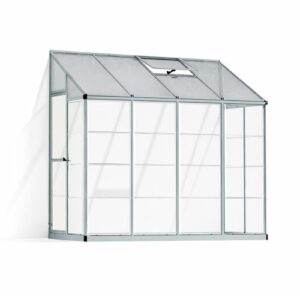
Palram – Canopia 4×8 Lean-To
(Greenhouse for Outdoors)
The Palram Canopia 4×8 Lean-To Greenhouse is a smart solution for gardeners who want
solid year-round protection without giving up yard space.
Designed to mount against an existing wall, this lean-to greenhouse captures extra heat
while delivering durability, ventilation, and weather resistance in a compact footprint.
Why It’s Great:
✔ Twin-wall polycarbonate panels diffuse light while blocking harmful UV rays
✔ Rust-resistant aluminum frame provides long-term durability
✔ Adjustable roof vent helps regulate heat and humidity
✔ Integrated rain gutters allow easy water collection and drainage
1. Footprint vs. Growing Space
In small areas, the amount of ground a greenhouse occupies matters just as much as
how much it can hold inside.
Designs that use vertical shelving, wall-mounted trays, or tiered layouts often
outperform wider structures with the same footprint.
Tall, narrow greenhouses and lean-to styles tend to work especially well on patios and balconies
because they maximize growing area without crowding walkways.
2. Shape and Roof Design
The shape of a greenhouse affects how heat and light move inside it.
Sloped or peaked roofs help prevent hot spots while allowing sunlight to reach deeper into the interior.
For small spaces, gable-style and mini-A-frame designs strike a good balance between headroom
and heat retention, while curved roofs can shed rain and snow more efficiently in tight outdoor settings.
3. Frame and Cover Materials
Lightweight frames made from aluminum or treated wood are easier to assemble and reposition,
which matters when you’re working in a confined area.
Cover materials also play a major role:
-
Polycarbonate panels hold heat well and diffuse sunlight evenly
-
Plastic film covers are budget-friendly and flexible
-
Glass panels offer excellent light transmission but require sturdier framing
Choosing the right combination helps maintain stable temperatures without overwhelming a small space.
4. Ventilation in Tight Spaces
Proper airflow is often overlooked in small greenhouses, but it’s critical.
Roof vents, side vents, or simple zip-open panels prevent overheating and reduce humidity buildup.
Even compact greenhouses benefit from passive ventilation,
especially when positioned near walls or fences that limit natural airflow.
Small Greenhouse Kits That Work Well in Tight Spaces
Once you understand what makes a greenhouse small-space friendly,
choosing the right kit becomes much easier.
The goal isn’t to find the biggest option that fits — it’s to find a design that
uses limited space efficiently while staying practical to assemble and maintain.
Below are a few common greenhouse styles that consistently perform well in patios, balconies,
and compact yards, along with the situations they’re best suited for.
Mini Walk-In Greenhouse Kits
Mini walk-in greenhouses are ideal for small backyards where ground space is limited but vertical clearance is available.
These kits usually offer enough headroom to stand comfortably while still maintaining a
compact footprint.
They work especially well for:
-
Gardeners who want space for shelving and taller plants
-
Growing a mix of herbs, greens, and compact vegetables
-
Seasonal use from early spring through late fall
Because of their size, these greenhouses warm up quickly and are easy to ventilate with roof or side vents.
Lean-To Greenhouse Kits
Lean-to greenhouses attach to an existing wall, fence, or structure, making them one of the most
efficient options for very tight spaces.
Using a wall for support reduces material needs and helps retain heat.
They’re a strong choice for:
-
Patios and side yards with limited depth
-
Balconies with partial weather protection
-
Gardeners who want easy access from indoors
The added thermal mass of a wall can help stabilize temperatures, especially during cooler nights.
Portable or Shelf-Style Greenhouses
For balconies or renters who need flexibility, portable greenhouses with built-in shelving offer a
low-commitment option.
These lightweight kits typically use metal frames with plastic covers and zippered doors.
They’re best suited for:
-
Herbs, seedlings, and leafy greens
-
Temporary or seasonal setups
-
Gardeners who need to move or store the structure easily
While they don’t retain heat as well as rigid panels, they’re affordable and surprisingly effective when placed in sunny, sheltered locations.
How to Choose the Right Kit for Your Space
Instead of asking “Which greenhouse is best?”, ask:
-
How much floor space can I realistically dedicate?
-
Do I need standing room or just shelf access?
-
Will this stay up year-round or seasonally?
Answering those questions will narrow your options quickly and help you choose a kit that works
with your space, not against it.
Common Mistakes That Make Small Greenhouses Frustrating Instead of Productive
Small greenhouses can be incredibly effective, but only when they’re used correctly.
Most problems come from a few common mistakes that are easy to avoid once you know
what to watch for.
Choosing Size Based on Hope Instead of Space
One of the most common issues is selecting a greenhouse that technically fits but leaves
no room to move, ventilate, or access plants comfortably.
A greenhouse should allow:
-
Easy door access
-
Space to open vents fully
-
Enough clearance to water and harvest without squeezing
If it feels cramped on day one, it will only get worse once plants start growing.
Ignoring Ventilation Needs
Small greenhouses heat up fast — sometimes too fast.
Without proper ventilation, temperatures can spike and humidity can build up,
stressing plants and encouraging disease.
Even compact setups need:
-
Roof or side vents
-
Roll-up or zip-open panels
-
Occasional airflow during warm days
Good airflow matters more in small greenhouses than in large ones.
Overcrowding Plants
Limited space makes it tempting to pack in as many plants as possible.
Unfortunately, overcrowding reduces airflow, limits light exposure, and increases the risk of pests.
Fewer, well-spaced plants will almost always outperform a packed greenhouse.
Placing the Greenhouse in the Wrong Location
Sun exposure and wind protection matter just as much as size.
A small greenhouse placed in shade or exposed to constant wind will struggle to
maintain stable temperatures.
Look for:
-
At least 6 hours of sunlight
-
Shelter from strong winds
-
Easy access for watering and maintenance
Underestimating Seasonal Changes
What works in spring may not work in midsummer or late fall.
Small greenhouses respond quickly to outside temperature swings, so adjustments are often needed.
Simple changes like opening vents, adding shade cloth, or rearranging shelving can make a big difference.
Final Thoughts…
Small space greenhouses show what’s possible when gardening is adapted to the space you actually have. With thoughtful design choices and realistic expectations, patios, balconies, and compact yards can support healthy plants well beyond the traditional growing season.
Success in small greenhouses comes from attention to details —
ventilation, light exposure, and plant spacing matter more when every square foot counts.
When those elements are dialed in, compact greenhouses become efficient, manageable, and surprisingly productive.
Start small, observe how your space behaves through the seasons, and adjust as needed.
Over time, a well-planned small greenhouse can deliver consistent harvests without overwhelming your space or your routine.
 Plan it. Grow it. Enjoy it!
 Helpful Resources for Small Greenhouse Success
Planning and maintaining a small greenhouse goes far beyond choosing the right size or layout. Understanding common pitfalls, having the right tools on hand, and setting things up correctly from the start can make a noticeable difference in both plant health and long-term enjoyment.
If you’re continuing your small greenhouse journey,
these guides will help you move forward with confidence:
-
Common Small Greenhouse Mistakes to Avoid
Learn which sizing, layout, and airflow mistakes cause the most frustration for new growers—and how to avoid them early. -
Essential Gardening Tools for Small Spaces
A practical breakdown of tools that make daily greenhouse tasks easier, cleaner, and more efficient in compact environments. -
Small Greenhouse Setup Guide
Step-by-step guidance on positioning, airflow planning, and layout decisions that set your greenhouse up for long-term success.
 Turn Your Gardening Knowledge Into a Simple Online Income
Curious how this site was built?
 Click here to learn more about Wealthy Affiliate.
SmallGardenBox.com started as a simple project built around small-space gardening ideas and greenhouse setups — and it only grew once I learned how to properly build and structure a real website.
If you’ve ever thought about sharing your gardening knowledge, greenhouse experience, or small-space growing tips online, the training at Wealthy Affiliate is what I personally used and recommend.
It walks you through building a website, creating helpful content,
and turning that knowledge into a long-term online asset.

I love this idea, and I never even knew that small space greenhouses existed. This would be so useful for our veggie garden as I think this means that we can then have veggies all year round, rather than just in season. The herbs would also thrive.
Do you know where one could order ready made green houses, as I think those will look better in the garden than one I try to make myself.
I’m so glad this idea sparked something for you! Small space greenhouses really can be game-changers for extending your growing season! Herbs especially seem to love the extra warmth and shelter. As for ready-made options, there are some great compact models available online; places like Gardener’s Supply, Amazon, or even some local garden centers offer attractive and durable kits that blend in nicely with a garden.
Definitely worth looking into if you want something polished without the DIY hassle!