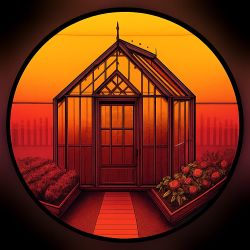

One of the biggest misconceptions about balcony greenhouses is that they’re
only useful for a short growing window in spring.
In reality, a well-managed small greenhouse can be productive across multiple seasons,
even in limited urban spaces.
The key isn’t trying to force summer crops year-round.
It’s understanding how light, temperature, and plant needs change through the seasons —
and adjusting what you grow and how you grow it.
When expectations match conditions, a balcony greenhouse becomes a flexible,
year-round tool rather than a seasonal experiment.
Understanding Seasonal Limits in Small Greenhouses
Balcony and small greenhouses respond quickly to outside conditions. They heat faster, cool faster, and are more sensitive to sudden weather changes than large backyard structures.
That responsiveness can work in your favor — but only if you plan around it.
Seasonal success comes down to three variables:
-
Available daylight
-
Overnight temperatures
-
Heat retention during cold snaps
Instead of chasing ideal conditions, successful growers choose crops that fit the season naturally.
Spring: Early Starts and Gentle Growth
Spring is where balcony greenhouses shine.
As daylight increases, even modest structures warm quickly during the day while offering frost protection at night.
Spring is ideal for:
-
Seed starting and seedlings
-
Leafy greens
-
Herbs
-
Cool-season vegetables
Because temperatures fluctuate, ventilation is still important. Warm days followed by cold nights are common, so opening vents during the day and closing them before sunset helps stabilize conditions.
Spring is about controlled acceleration, not rushing growth.
Summer: Managing Heat and Airflow
Summer is often the most challenging season for small greenhouses.
In compact spaces, heat builds rapidly — sometimes exceeding outdoor temperatures. Without airflow, plants can stress, wilt, or bolt prematurely.
Summer success focuses on:
-
Heat-tolerant plants
-
Aggressive ventilation
-
Strategic shading
-
Water management
Many growers use their greenhouse more selectively in summer, protecting sensitive plants from wind or pests while allowing airflow to prevent overheating.
In some climates, the greenhouse becomes a protective shelter, not a heat trap.
Fall: Extending the Harvest Window
Fall is where a balcony greenhouse quietly proves its value.
As outdoor temperatures drop, the greenhouse retains warmth just long enough to extend harvests without additional equipment.
Fall is ideal for:
-
Greens
-
Herbs
-
Compact vegetables
-
Hardening off late-season plants
Shorter days mean slower growth, but plants remain healthy and productive longer than they would outdoors.
Fall use is about stretching the season, not recreating summer.
Winter: Cold-Tolerant Crops and Maintenance
Winter growing is possible in balcony greenhouses — but expectations matter.
Without supplemental heat or lighting, winter success depends on:
-
Cold-tolerant plants
-
South-facing exposure
-
Clear greenhouse panels
-
Minimal disturbance
Winter is best suited for:
-
Hardy greens
-
Overwintering herbs
-
Maintenance and preparation
In colder climates, winter use may focus more on plant survival than active growth. Even then, the greenhouse protects roots, soil, and containers from freeze damage.
Adjusting Your Greenhouse Through the Year
Year-round use isn’t about leaving everything unchanged. Small adjustments make a big difference.
Seasonal adjustments include:
-
Changing plant density
-
Raising or lowering shelves
-
Adding or removing shade cloth
-
Opening or sealing vents
-
Rotating crops
A flexible setup allows the greenhouse to evolve with the seasons instead of fighting them.
Matching Crops to the Season
The most successful balcony greenhouse growers ask one simple question each season:
“What wants to grow right now?”
By choosing crops that align with current conditions, you reduce stress, maintenance, and frustration — while improving results.
To see which plants actually thrive in a balcony greenhouse —
and how growing options change with space and season —
this guide to what you can grow in a balcony greenhouse breaks it all down.
Final Thoughts
A balcony greenhouse doesn’t need to run at full throttle all year to be valuable.
By working with the seasons instead of against them, you can:
-
Start earlier in spring
-
Protect plants in summer
-
Extend harvests in fall
-
Preserve and prepare in winter
That flexibility is what turns a small greenhouse into a long-term growing asset — even in the tightest spaces.
 Plan it. Grow it. Enjoy it!
 Helpful Resources for Small Greenhouse Success
Planning and maintaining a small greenhouse goes far beyond choosing the right size or layout. Understanding common pitfalls, having the right tools on hand, and setting things up correctly from the start can make a noticeable difference in both plant health and long-term enjoyment.
If you’re continuing your small greenhouse journey,
these guides will help you move forward with confidence:
-
Common Small Greenhouse Mistakes to Avoid
Learn which sizing, layout, and airflow mistakes cause the most frustration for new growers—and how to avoid them early. -
Essential Gardening Tools for Small Spaces
A practical breakdown of tools that make daily greenhouse tasks easier, cleaner, and more efficient in compact environments. -
Small Greenhouse Setup Guide
Step-by-step guidance on positioning, airflow planning, and layout decisions that set your greenhouse up for long-term success.
 Turn Your Gardening Knowledge Into a Simple Online Income
Curious how this site was built?
 Click here to learn more about Wealthy Affiliate.
SmallGardenBox.com started as a simple project built around small-space gardening ideas and greenhouse setups — and it only grew once I learned how to properly build and structure a real website.
If you’ve ever thought about sharing your gardening knowledge, greenhouse experience, or small-space growing tips online, the training at Wealthy Affiliate is what I personally used and recommend.
It walks you through building a website, creating helpful content,
and turning that knowledge into a long-term online asset.
