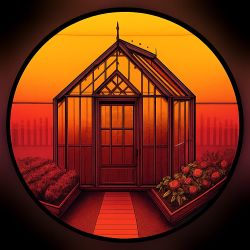

One of the biggest mistakes small-greenhouse growers make is treating climate control as a fixed setup.
In reality, climate control changes with the season — sometimes week by week.
What works in early spring can cause overheating in summer,
and strategies that protect plants in fall can create excess humidity in winter.
In a small or balcony greenhouse, these shifts happen faster and with less margin for error.
The key isn’t complex equipment — it’s knowing what to adjust, when, and why.
This guide explains how to adapt temperature, airflow, and moisture control through the seasons
so your greenhouse works with the weather instead of fighting it.
Why Seasonal Adjustments Matter More in Small Greenhouses
Small greenhouses respond quickly to environmental changes because they have:
-
Limited air volume
-
Thin panel materials
-
Dense plant spacing
-
Fewer buffering zones
That means:
-
Temperature rises faster
-
Moisture builds up quicker
-
Cold snaps hit harder
-
Heat stress happens suddenly
Seasonal adjustments prevent these swings from turning into plant stress.
Spring: Managing Rapid Temperature Swings
Spring is the most unpredictable season for greenhouse climate control.
Common challenges include:
-
Cold nights followed by hot mornings
-
Sudden sun exposure after cloudy days
-
Rapid humidity spikes after watering
Smart spring habits
-
Vent early in the morning, even on cool days
-
Avoid sealing the greenhouse completely overnight
-
Water earlier in the day to allow drying time
-
Watch for condensation buildup during warm afternoons
Spring is about flexibility, not insulation.
Summer: Preventing Heat and Moisture Overload
In summer, small greenhouses overheat easily —
even mild outdoor temperatures can create extreme interior conditions.
Key summer risks
-
Heat trapped at the roofline
-
Stagnant air around dense foliage
-
Excess humidity from frequent watering
Summer climate strategies
-
Keep vents or doors open daily
-
Reduce plant crowding where possible
-
Use shade strategically, not constantly
-
Water in the morning, never late evening
The goal is heat release, not heat retention.
Fall: Slowing the Cool-Down Without Trapping Moisture
Fall often feels easier, but it introduces a new balance problem.
Cooler nights combined with warmer days can cause:
-
Heavy condensation overnight
-
Damp leaves in the morning
-
Increased fungal pressure
Fall adjustments
-
Reduce watering frequency
-
Vent briefly during warm afternoons
-
Avoid closing the greenhouse too early in the evening
-
Clear fallen leaves and organic debris
Fall is about controlled cooling, not sealing the space.
Winter: Managing Cold Without Creating Damp Conditions
Winter climate control is less about warmth and more about moisture balance.
Even unheated greenhouses can suffer if:
-
Moist air becomes trapped
-
Soil stays constantly wet
-
Condensation freezes and thaws repeatedly
Winter best practices
-
Vent on sunny days, even briefly
-
Water sparingly and only when needed
-
Keep plants spaced to allow airflow
-
Avoid plastic coverings that trap moisture inside
Dry air is safer than warm, damp air during winter.
Use Observation, Not Guesswork
Seasonal control works best when you observe patterns instead of reacting randomly.
Pay attention to:
-
How long condensation lasts
-
When temperatures spike or drop
-
Which areas stay damp longest
-
How plants respond day to day
Small adjustments made early prevent big problems later.
If you’re deciding what to grow next, understanding
what plants actually thrive in a balcony greenhouse across different seasons
helps you make better climate-control choices year-round.
Final Thoughts…
Seasonal climate control doesn’t require expensive upgrades or constant tinkering.
In small and balcony greenhouses, success comes from:
-
Adjusting habits as weather changes
-
Releasing heat when needed
-
Letting moisture escape instead of trapping it
-
Paying attention to daily conditions
By adapting your greenhouse to the season, you create a more stable growing environment —
and a greenhouse that stays productive all year instead of fighting the weather.
 Plan it. Grow it. Enjoy it!
 Helpful Resources for Small Greenhouse Success
Planning and maintaining a small greenhouse goes far beyond choosing the right size or layout. Understanding common pitfalls, having the right tools on hand, and setting things up correctly from the start can make a noticeable difference in both plant health and long-term enjoyment.
If you’re continuing your small greenhouse journey,
these guides will help you move forward with confidence:
-
Common Small Greenhouse Mistakes to Avoid
Learn which sizing, layout, and airflow mistakes cause the most frustration for new growers—and how to avoid them early. -
Essential Gardening Tools for Small Spaces
A practical breakdown of tools that make daily greenhouse tasks easier, cleaner, and more efficient in compact environments. -
Small Greenhouse Setup Guide
Step-by-step guidance on positioning, airflow planning, and layout decisions that set your greenhouse up for long-term success.
 Turn Your Gardening Knowledge Into a Simple Online Income
Curious how this site was built?
 Click here to learn more about Wealthy Affiliate.
SmallGardenBox.com started as a simple project built around small-space gardening ideas and greenhouse setups — and it only grew once I learned how to properly build and structure a real website.
If you’ve ever thought about sharing your gardening knowledge, greenhouse experience, or small-space growing tips online, the training at Wealthy Affiliate is what I personally used and recommend.
It walks you through building a website, creating helpful content,
and turning that knowledge into a long-term online asset.
