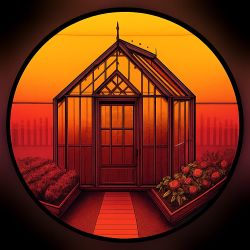
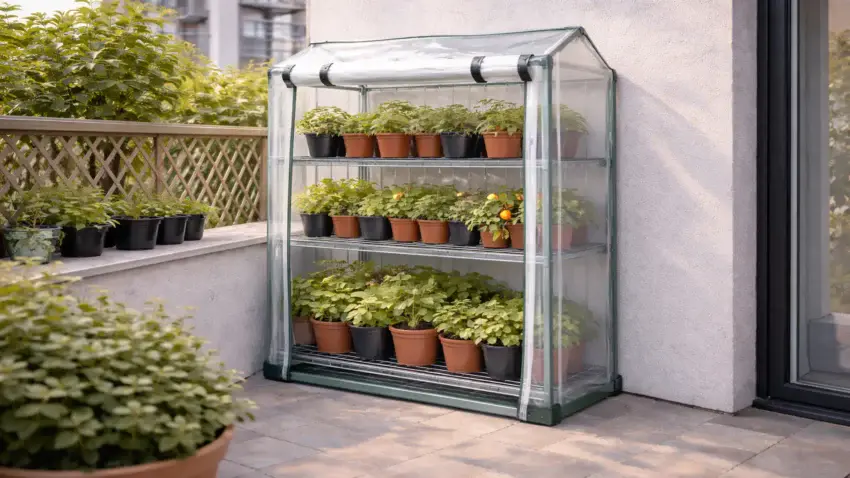
Not every balcony greenhouse needs to be permanent.
For renters, seasonal growers, or anyone testing the waters,
portable and temporary greenhouses offer a flexible way to protect plants
without committing to a fixed structure.
These greenhouses are designed to be lightweight, easy to assemble,
and easy to remove when the season ends.
When used correctly, they can extend the growing season
and protect plants from wind and cold — even in very tight spaces.
This guide explains when portable and temporary greenhouses make sense,
their advantages and limits, and how to use them effectively on small balconies.
What Is a Portable or Temporary Greenhouse?
Portable greenhouses are typically lightweight structures that can be
assembled and disassembled without tools or permanent mounting.
Common types include:
-
Zip-up plastic greenhouses
-
Fabric-covered frame greenhouses
-
Pop-up or foldable greenhouse tents
-
Lightweight metal or PVC frame units
They usually feature:
-
Clear or translucent covers
-
Shelving or open floor layouts
-
Zippered doors or roll-up panels
-
Minimal anchoring requirements
These designs prioritize flexibility over durability.
When Portable Greenhouses Are the Right Choice
Temporary greenhouses work best when:
-
You’re renting and can’t install permanent structures
-
You need seasonal protection only
-
Your balcony layout changes throughout the year
-
You want a low-cost entry point
-
You plan to store the greenhouse when not in use
They’re especially popular for early spring seed starting and fall season extension.
Advantages of Portable & Temporary Greenhouses
Easy Setup and Removal
Most portable greenhouses can be assembled in under an hour and taken down just as quickly.
This makes them ideal for balconies that serve multiple purposes.
Lightweight and Balcony-Friendly
Because they use lighter materials,
they’re easier to move and place without stressing balcony weight limits.
Budget-Friendly
Temporary greenhouses are often the most affordable option,
making them accessible for beginners or short-term use.
Limitations to Plan Around
Reduced Durability
Lightweight materials don’t handle strong wind or harsh weather well.
Extra anchoring is often needed.
Less Temperature Control
Thin covers offer limited insulation, which means temperature can fluctuate quickly.
Shorter Lifespan
Zippers, fabric, and plastic panels wear out faster than rigid greenhouse materials.
These trade-offs are acceptable when flexibility is the priority —
but they matter if you plan to grow year-round.
Best Uses for Portable Greenhouses
Portable and temporary greenhouses are best suited for:
-
Seed starting
-
Protecting young plants
-
Overwintering herbs
-
Extending the spring and fall growing seasons
-
Temporary plant protection during cold snaps
They’re less ideal for heavy containers, tall plants, or long-term permanent setups.
Placement Tips for Balconies
Wind Protection
Place the greenhouse near a wall or railing to reduce wind exposure.
Use weights or ties if needed.
Sun Exposure
Choose the brightest available spot, even if the greenhouse is temporary.
Drainage Awareness
Make sure water runoff doesn’t pool on the balcony floor or drain poorly.
Portable vs Permanent Greenhouses
Both options have their place in small spaces.
-
Portable Greenhouses: Best for flexibility, renters, and seasonal use
-
Permanent Greenhouses: Better for long-term growing and stability
If you’re experimenting or working with restrictions,
portable designs are often the smartest starting point.
How This Fits Into the Bigger Picture
Portable greenhouses are one of several structure types that work in compact spaces.
This overview of small greenhouse types for balconies and tight spaces compares shelf,
walk-in, lean-to, and portable designs side by side.
Once the structure is chosen,
interior layout and climate control determine how successful the greenhouse will be.
Final Thoughts…
Portable and temporary greenhouses offer freedom and flexibility that permanent structures can’t.
While they come with limitations,
they’re an excellent option for balcony gardeners who need adaptable, low-commitment solutions.
If you want protection without permanence, a portable greenhouse can be the perfect fit —
especially when used thoughtfully and seasonally.
 Plan it. Grow it. Enjoy it!
 Helpful Resources for Small Greenhouse Success
Planning and maintaining a small greenhouse goes far beyond choosing the right size or layout. Understanding common pitfalls, having the right tools on hand, and setting things up correctly from the start can make a noticeable difference in both plant health and long-term enjoyment.
If you’re continuing your small greenhouse journey,
these guides will help you move forward with confidence:
-
Common Small Greenhouse Mistakes to Avoid
Learn which sizing, layout, and airflow mistakes cause the most frustration for new growers—and how to avoid them early. -
Essential Gardening Tools for Small Spaces
A practical breakdown of tools that make daily greenhouse tasks easier, cleaner, and more efficient in compact environments. -
Small Greenhouse Setup Guide
Step-by-step guidance on positioning, airflow planning, and layout decisions that set your greenhouse up for long-term success.
 Turn Your Gardening Knowledge Into a Simple Online Income
Curious how this site was built?
 Click here to learn more about Wealthy Affiliate.
SmallGardenBox.com started as a simple project built around small-space gardening ideas and greenhouse setups — and it only grew once I learned how to properly build and structure a real website.
If you’ve ever thought about sharing your gardening knowledge, greenhouse experience, or small-space growing tips online, the training at Wealthy Affiliate is what I personally used and recommend.
It walks you through building a website, creating helpful content,
and turning that knowledge into a long-term online asset.
