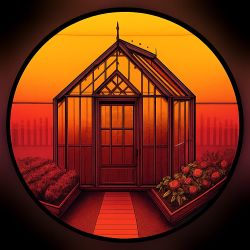

Overheating is one of the most common reasons small and balcony greenhouses fail.
In compact spaces, heat builds fast.
Sunlight passes through panels easily, but warm air has nowhere to escape.
What starts as a mild temperature rise can turn into plant stress in a matter of hours —
especially on bright, calm days.
Many gardeners assume overheating only happens in summer,
but small greenhouses can overheat even in cool seasons
when sunlight is strong and airflow is limited.
Understanding the mistakes that cause heat buildup is the first step toward preventing it.
Why Small Greenhouses Overheat So Easily
Small greenhouses heat up faster than large structures because they contain less air volume.
There’s simply less space for warm air to circulate or dissipate.
On balconies and patios, greenhouses are often placed against walls, railings,
or corners that trap reflected heat.
Glass, polycarbonate, and plastic covers amplify sunlight,
creating a greenhouse-within-a-greenhouse effect.
Without intentional airflow, temperatures can spike quickly —
even when outdoor conditions feel comfortable.
Common Overheating Mistakes to Avoid
Keeping Doors and Vents Closed Too Long
Many gardeners close everything tightly to “hold warmth,”
then forget to open vents once the sun comes out.
In small greenhouses, this can cause temperatures to rise dramatically in a short window of time.
Even a partially open door or roof vent can make a major difference.
Relying on Outdoor Temperature Instead of Sunlight
A cool day doesn’t guarantee a cool greenhouse.
Direct sun exposure matters more than air temperature.
Bright winter or spring sun can overheat a small structure just as easily as a hot summer afternoon.
If the sun is hitting the greenhouse directly, airflow matters — regardless of the forecast.
Placing the Greenhouse Against Heat-Reflecting Surfaces
Walls, fences, concrete, and siding can reflect and trap heat.
When a greenhouse is pressed against these surfaces, warm air has fewer escape routes,
and radiant heat builds from multiple directions.
This is especially common on balconies with solid railings or walls.
Overcrowding Plants
Plants need airflow between leaves to regulate temperature.
When shelves are packed tightly or plants grow into each other, heat gets trapped inside the canopy.
This creates hot pockets where stress and disease develop faster.
Overcrowding doesn’t just reduce airflow — it amplifies heat retention.
Ignoring Midday Heat Spikes
Some gardeners ventilate in the morning and evening but ignore the peak heat window.
Midday sun is when small greenhouses experience their fastest temperature climb.
If airflow isn’t adjusted during this period, plants take the hit.
Signs Your Greenhouse Is Overheating
Overheating doesn’t always look dramatic at first.
Early warning signs include:
-
Leaves drooping during the day but recovering at night
-
Curling or cupping leaves
-
Dry or crispy leaf edges
-
Flower drop or stalled growth
-
Soil drying out faster than expected
Catching these signs early prevents long-term damage.
Why Overheating Is More Dangerous Than Cool Temperatures
Plants can often tolerate brief cool periods better than sudden heat stress.
High temperatures accelerate water loss, disrupt nutrient uptake, and weaken plant structure.
Repeated heat spikes cause cumulative stress, even if plants appear to recover overnight.
In small greenhouses, consistency matters more than extremes.
Designing to Reduce Heat Buildup
Preventing overheating isn’t about expensive equipment —
it’s about intentional design and habits.
Simple adjustments like spacing plants properly, opening vents earlier,
or repositioning shelves can dramatically stabilize temperatures.
The goal isn’t to eliminate warmth — it’s to control it.
If you’re deciding what to grow next, understanding
what plants actually thrive in a balcony greenhouse across different seasons
helps you make better climate-control choices year-round.
Final Thoughts…
Overheating is rarely caused by one big mistake.
It’s usually the result of small, repeated habits that allow heat to build unchecked.
Small and balcony greenhouses demand more attention to airflow, spacing, and sun exposure —
but the payoff is healthier plants and fewer surprises.
By recognizing these common mistakes early,
you can design a greenhouse environment that stays productive instead of stressful.
 Plan it. Grow it. Enjoy it!
 Helpful Resources for Small Greenhouse Success
Planning and maintaining a small greenhouse goes far beyond choosing the right size or layout. Understanding common pitfalls, having the right tools on hand, and setting things up correctly from the start can make a noticeable difference in both plant health and long-term enjoyment.
If you’re continuing your small greenhouse journey,
these guides will help you move forward with confidence:
-
Common Small Greenhouse Mistakes to Avoid
Learn which sizing, layout, and airflow mistakes cause the most frustration for new growers —
and how to avoid them early. -
Essential Gardening Tools for Small Spaces
A practical breakdown of tools that make daily greenhouse tasks easier, cleaner, and more efficient in compact environments. -
Small Greenhouse Setup Guide
Step-by-step guidance on positioning, airflow planning, and layout decisions that set your greenhouse up for long-term success.
 Turn Your Gardening Knowledge Into a Simple Online Income
Curious how this site was built?
 Click here to learn more about Wealthy Affiliate.
SmallGardenBox.com started as a simple project built around small-space gardening ideas and greenhouse setups — and it only grew once I learned how to properly build and structure a real website.
If you’ve ever thought about sharing your gardening knowledge, greenhouse experience, or small-space growing tips online, the training at Wealthy Affiliate is what I personally used and recommend.
It walks you through building a website, creating helpful content,
and turning that knowledge into a long-term online asset.
