
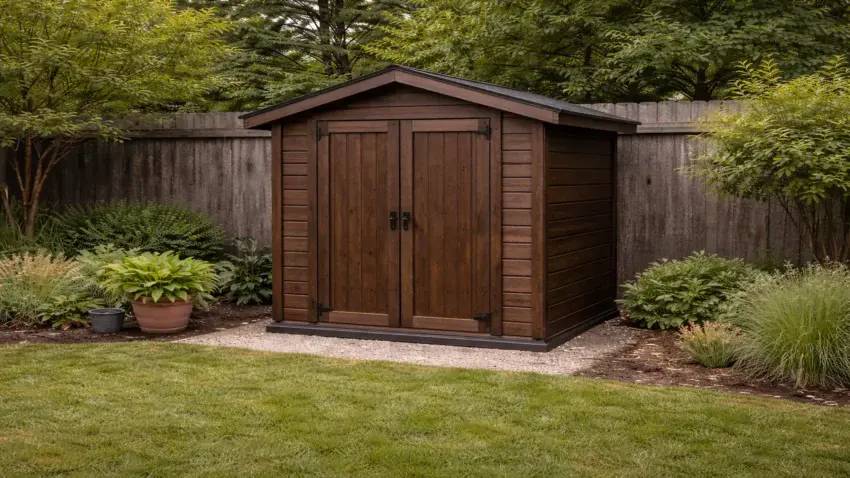
A tool shed isn’t doing its job if everything inside ends up damp, rusty, or buried behind other gear. Outdoor tool shed plans that keep tools dry and accessible focus on two things that matter most
for everyday garden work: weather protection and easy access.
These plans are designed for real outdoor conditions — rain, humidity, and frequent use —
without adding unnecessary complexity to the build.
This guide is part of my garden tool shed plans collection, where I focus on
organized storage designs built specifically for everyday garden work.
Why Dry Storage Matters for Garden Tools
Moisture is the fastest way to ruin tools.
Without proper protection:
-
Metal tools rust
-
Wooden handles warp or crack
-
Power tools degrade quickly
-
Storage areas develop mold or mildew
Well-designed outdoor shed plans prevent these issues before they start.
Design Features That Help Keep Tools Dry
Good tool shed plans don’t rely on luck or placement alone.
Look for features such as:
-
Proper roof overhangs to shed water
-
Raised floors or moisture barriers
-
Tight door seals and simple trim
-
Sloped roofs that prevent pooling
These details matter more than shed size when it comes to long-term durability.
Easy Access Makes a Bigger Difference Than Size
Accessibility is just as important as protection.
Sheds designed for daily use often include:
-
Wide door openings
-
Clear wall space for hooks
-
Shelving placed within arm’s reach
-
Logical tool grouping near the door
When tools are easy to grab and return, the shed actually gets used.
Placement Tips That Improve Protection
Even a good shed plan benefits from smart placement.
Helpful placement considerations:
-
Avoid low spots where water collects
-
Leave space around the shed for airflow
-
Position doors away from prevailing rain
-
Keep the shed close to where tools are used
Good placement supports the shed’s design rather than fighting it.
Materials That Support Dry, Durable Storage
These plans typically use:
-
Exterior-grade sheathing and siding
-
Weather-resistant roofing materials
-
Pressure-treated lumber where moisture exposure is likely
-
Simple finishes that are easy to maintain
Durability doesn’t require fancy upgrades—just smart material choices.
Who These Shed Plans Are Best For
Outdoor tool shed plans that keep tools dry and accessible are ideal if you:
-
Store tools outside year-round
-
Use tools frequently during the season
-
Want less maintenance and replacement
-
Prefer function over decorative features
They’re built for reliability, not show.
Where This Fits in the Garden Tool Shed Lineup
This completes the garden tool shed focus by addressing protection and daily usability.
Together with organization, backyard placement, and material simplicity,
these plans round out the most practical reasons people build tool sheds in the first place.
What’s Next
If you’re comparing different tool shed layouts and deciding which approach fits your routine best,
the next step is reviewing all options side by side.
Continue to my garden tool shed plans guide to explore organized storage designs built
specifically for everyday garden work.
 Plan it. Grow it. Enjoy it!
 Helpful Resources for Small Greenhouse Success
Planning and maintaining a small greenhouse goes far beyond choosing the right size or layout.
Understanding common pitfalls, having the right tools on hand,
and setting things up correctly from the start can make a
noticeable difference in both plant health and long-term enjoyment.
If you’re continuing your small greenhouse journey,
these guides will help you move forward with confidence:
-
Common Small Greenhouse Mistakes to Avoid
Learn which sizing, layout, and airflow mistakes cause the most frustration for new growers —
and how to avoid them early. -
Essential Gardening Tools for Small Spaces
A practical breakdown of tools that make daily greenhouse tasks easier, cleaner,
and more efficient in compact environments. -
Small Greenhouse Setup Guide
Step-by-step guidance on positioning, airflow planning, and layout decisions
that set your greenhouse up for long-term success.
 Turn Your Shed Building Experience Into a Simple Online Income
Curious how this site was built?
 Click here to learn more about Wealthy Affiliate.
SmallGardenBox.com started as a simple project built around small-space gardening ideas
and greenhouse setups —
and it only grew once I learned how to properly build and structure a real website.
If you’ve ever thought about sharing your gardening knowledge, greenhouse experience,
or shed building tips,
the training at Wealthy Affiliate is what I personally used and recommend.
It walks you through building a website, creating helpful content,
and turning that knowledge into a long-term online asset.
